

I spent three seasons watching my first rose bushes struggle before I figured out what they really needed. Those early plants produced a handful of sad blooms and then mostly just sat there looking disappointed. I almost gave up. Honestly? The third year nearly did me in.
Then I stopped treating roses like mysterious divas and started treating them like the sturdy shrubs they are. What follows is every rose planting idea that finally worked for me, plus the exact steps I now use to grow healthy plants that keep flowering. You get the practical stuff I wish someone had handed me on day one.
Picking the Right Rose for Your Space
Not every rose belongs in every yard. I learned this the expensive way.
Hybrid teas give those classic long-stemmed flowers people expect. They need more attention. Floribundas pump out clusters and forgive a few mistakes. Shrub roses and landscape types handle neglect better than almost anything else I grow. Climbers and ramblers need a wall or fence and room to stretch.
I started with a couple of Knock Out shrubs because they promised disease resistance. They delivered. Later I added a David Austin English rose for the scent. The difference in care level is real. Choose based on how much time you actually have, not the photo on the tag.
Sun comes first. Most roses want six hours of direct light. Morning sun dries the leaves and cuts disease. Afternoon shade helps in hot climates. I tried a shady corner once. The plant survived. It never really bloomed. Lesson learned.
Soil Prep That Makes or Breaks Your Plants
Roses hate wet feet. They also hate pure sand that drains too fast. The sweet spot sits around pH 6.0 to 6.5 with plenty of organic matter.
I test my soil every couple of years with a cheap kit from the garden center. If the pH runs high, I work in some sulfur. If it runs low, a bit of lime does the job. Then I dig in compost or well-rotted manure until the soil feels crumbly instead of sticky or dusty.
See, the hole itself matters less than the soil around it. Digging a perfect pocket of amended dirt in poor ground creates a bathtub effect. Roots stay in the good stuff and never explore. I mix amendments into a wider area now. The plants thank me later.
Timing Your Planting Right
Bare-root roses arrive dormant and cost less. I plant them in late fall or early spring while the soil stays cool but workable. Container roses give more flexibility. I can plant those almost any time the ground is not frozen or waterlogged.
Fall planting lets roots settle before winter. Spring planting gives a full season of growth. In my colder zone I stick to spring for bare-root stock. In milder spots fall works beautifully. Check your local frost dates and plan backward from there.
Step-by-Step Rose Planting Ideas How to Grow Strong Starts
Here is the exact process I follow every time.
- Soak bare-root plants in a bucket of water for several hours. Container plants get a good drink the day before.
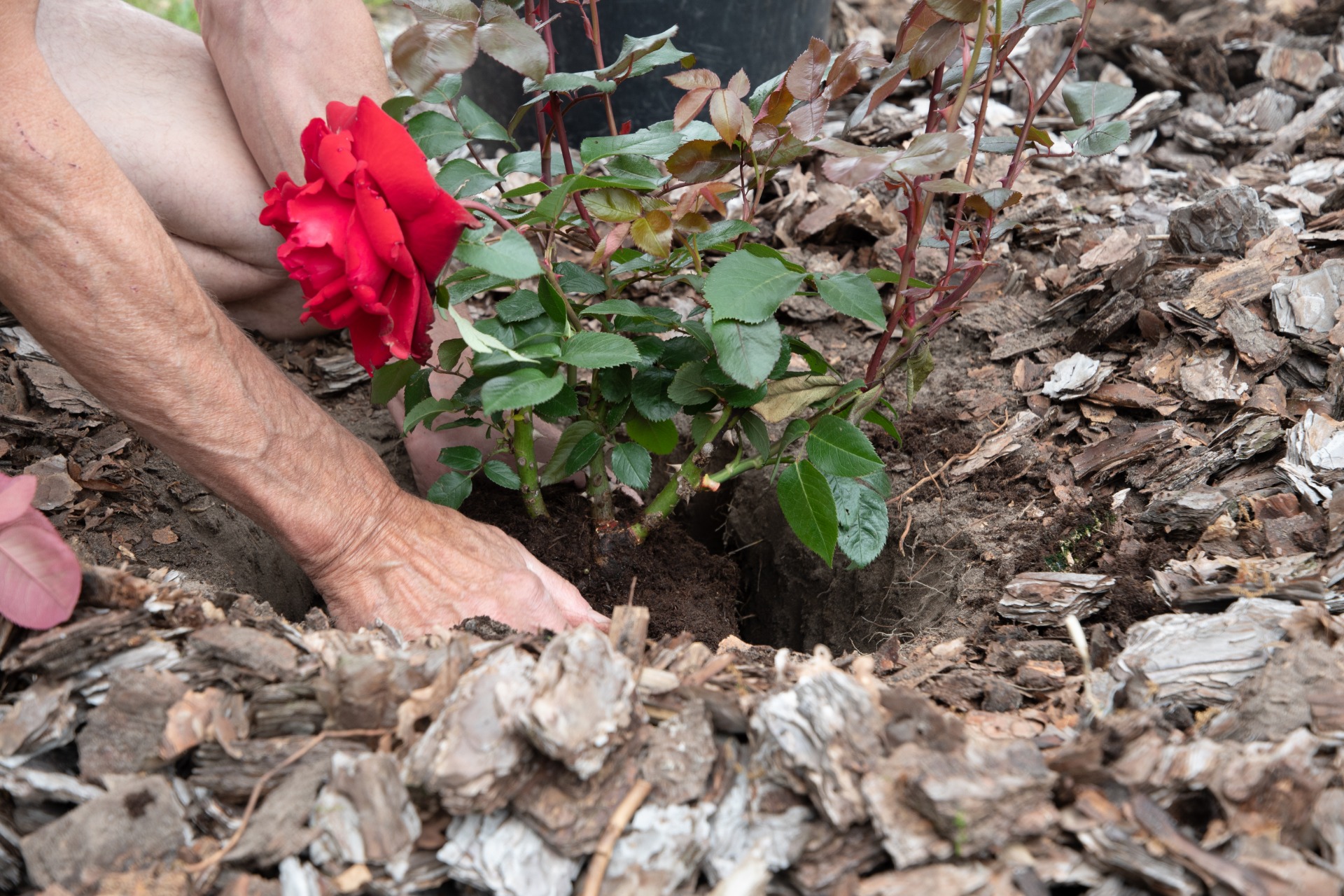
- Dig a hole twice as wide as the root spread and deep enough so the bud union sits at the right height. In cold climates I bury the bud union two to three inches below the soil surface. In warm climates I keep it at or just above ground level.
- Build a small mound of soil in the center of the hole. Spread the roots over it so they point outward and down.
- Backfill with the native soil mixed with compost. Firm it gently as I go to remove air pockets.
- Water deeply until the soil settles. Add more soil if needed.
- Mulch with two to three inches of organic material, keeping it a few inches away from the canes.
I space most bush roses two to three feet apart. Climbers need more room along a support. Airflow matters. Crowded plants invite black spot and mildew.
That first watering is critical. I give new plants a thorough soak and then check the soil every few days. They need consistent moisture while roots establish, but never soggy conditions.
Watering and Feeding Without the Guesswork
Deep and infrequent beats daily sprinkles. I aim for about one inch of water per week, including rain. A soaker hose or drip line keeps leaves dry and cuts disease risk.
Newly planted roses need more frequent checks for the first six to eight weeks. Once established they handle short dry spells better.
Fertilizer comes next. I use a balanced rose food in spring when new growth starts, then again after the first flush of blooms. Too much nitrogen gives leaves at the expense of flowers. I stop feeding by late summer so the plant can harden off before winter.
Mulch does double duty. It holds moisture and suppresses weeds. I refresh it every spring after pruning.
Pruning and Shaping for More Blooms
Pruning scared me at first. I cut too little and ended up with spindly growth. Then I cut too hard and worried I had killed the plant.
Modern shrub roses forgive a lot. I prune in early spring just as the buds swell. Dead or damaged wood comes out first. Then I shape the plant to an open vase form so light and air reach the center. I cut just above an outward-facing bud.
Once-blooming climbers and ramblers get pruned right after they finish flowering. Repeat bloomers get a lighter touch throughout the season. Deadheading spent blooms encourages more flowers on most varieties.
Clean, sharp tools make the job easier and safer for the plant. I wipe the blades with rubbing alcohol between plants to avoid spreading problems.
Companion Planting That Actually Helps
Empty soil under roses looks unfinished and invites weeds. I tuck in lower plants that share the same needs.
Catmint softens the edges and seems to deter some pests. Yarrow adds flat flower heads that contrast with rose shapes. Lavender brings scent and structure. Allium bulbs push up early color and may confuse aphids.
I keep companions at least a foot away from the rose canes so air still circulates. Aggressive spreaders stay out of the bed entirely. The goal is support, not competition.
Common Problems I Solved the Simple Way
Black spot showed up on my early hybrid teas every wet spring. Improving airflow and watering at the base reduced it dramatically. I also switched to more resistant varieties.
Aphids appear in clusters on new growth. A strong spray of water knocks most of them off. Ladybugs handle the rest if I leave them alone.
Powdery mildew likes humid nights and poor air movement. Spacing and morning sun help more than any spray I ever tried.
If a plant looks weak after a couple of seasons, I dig it up and check the roots. Sometimes the soil stays too wet. Sometimes the bud union sits too high or too low. Correcting the planting depth has saved more than one rose for me.
Container Options for Small Spaces
Not everyone has open ground. I grow several miniature and patio roses in large pots on the patio.
Choose a container at least eighteen inches wide with good drainage holes. Use a quality potting mix designed for roses or mix in compost and perlite. Water more often because pots dry out faster. Fertilize lightly and regularly during the growing season.
In winter I move the pots against a sheltered wall or into an unheated garage if temperatures drop hard. Container roses still need cold dormancy, just not extreme freeze-thaw cycles that crack the pot.
Winter Protection That Does Not Overdo It
In my climate the biggest risk is freeze-thaw cycles that heave the plant. A thick mulch layer after the ground freezes helps. In colder zones people mound soil or compost over the crown. I have tried both and prefer the mulch approach for most of my shrubs.
Climbing roses get their canes tied securely so winter winds do not whip them. I remove the protection in spring once hard freezes pass.
What I Would Do Differently If I Started Over
I would plant fewer hybrid teas and more tough landscape roses in the beginning. I would test the soil before buying a single plant. I would give every rose more space than the tag suggested.
Most of all I would stop expecting perfection the first year. Roses need time to settle. The second and third seasons usually reward the patience.
IMO the biggest myth is that roses demand constant fussing. Modern varieties prove otherwise when you match the plant to the site and get the planting basics right.
Frequently Asked Questions
What is the best time for rose planting ideas how to grow success?
Fall or early spring works best for most climates. Bare-root roses prefer the dormant season while container plants offer more flexibility as long as the ground is workable.
How deep should I plant the bud union?
In cold regions bury it two to three inches below the soil surface for winter protection. In mild climates keep it at or just above ground level.
Do roses need special fertilizer?
A balanced rose food applied in spring and after the first bloom flush covers most needs. Too much nitrogen pushes leaves instead of flowers.
Can I grow roses in partial shade?
Most need at least six hours of sun. A few varieties tolerate four to five hours but produce fewer blooms. Full morning sun remains the safest bet.
How often should I water newly planted roses?
Keep the soil consistently moist but not soggy for the first six to eight weeks. After that, deep watering once a week usually suffices depending on rainfall and heat.
I still walk out to the garden some mornings and stop short at the sight of a full flush of blooms. Those early failures taught me more than any perfect season could. Get the planting right, match the rose to your conditions, and stay consistent with the basics. The plants do the rest.
Start with one or two tough varieties this season. Watch what happens. Then add more once you see how they respond in your specific soil and light. That is how real gardens grow.