

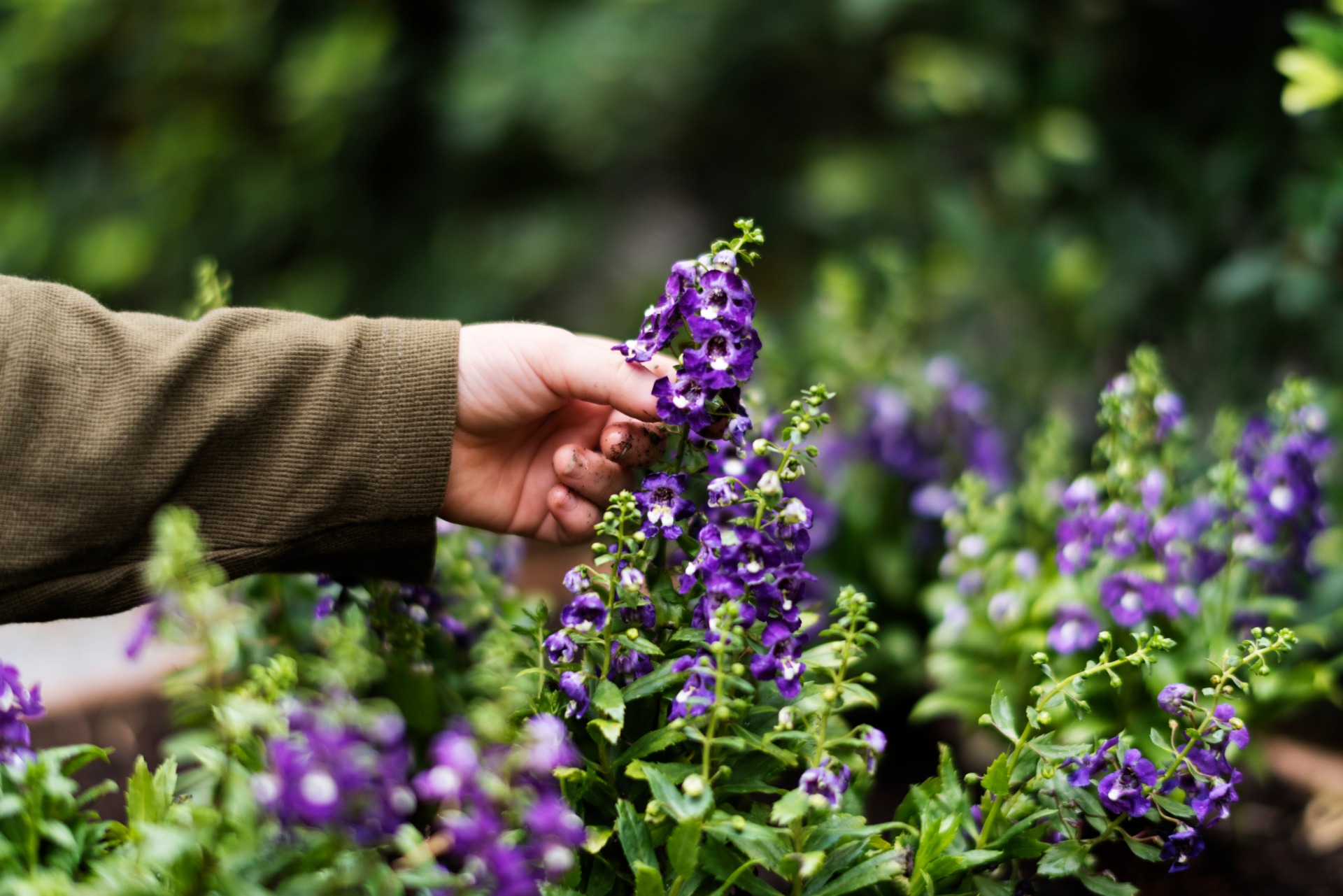
I killed three lavender plants before I got it right. The first one rotted in heavy soil. The second one stretched and flopped from too little sun. The third just sat there looking offended. Honestly? I almost gave up. Then I stopped guessing and started matching what lavender actually wants. That shift changed everything. Now my plants bloom hard every summer, smell incredible when I walk past them, and keep coming back year after year. If you want to learn how to grow lavender that thrives instead of just survives, this is the exact approach I use.
See, lavender is not a fussy diva. It just refuses to play by the rules most garden plants follow. Give it the right conditions and it becomes one of the easiest, most rewarding plants in the yard. Get those conditions wrong and it quietly dies on you. I learned that the expensive way. You do not have to.
Choosing the Right Lavender for Your Spot
Not every lavender works everywhere. I made that mistake early on. I grabbed whatever looked pretty at the nursery and hoped for the best. Bad plan.
English lavender (Lavandula angustifolia) is my go-to for colder climates. Varieties like ‘Hidcote’ and ‘Munstead’ stay compact and handle winters down to about zone 5 without drama. They produce that classic sweet scent most people expect. Lavandin hybrids (Lavandula x intermedia) grow bigger and pump out more oil. ‘Grosso’ and ‘Phenomenal’ have done well for me in hotter summers. French and Spanish types look dramatic with those little rabbit-ear petals, but they hate real cold. I keep those in pots so I can move them if needed.
Match the plant to your winters first. Then worry about flower color. I once planted a tender Spanish lavender in the ground in a zone 6 garden. It looked stunning until January. Lesson learned.
Space matters too. Crowded plants invite fungal problems. I give compact English types 12 to 18 inches. Larger lavandins get 24 to 36 inches. Air flow is non-negotiable.
Getting the Soil and Sun Right
Lavender comes from rocky Mediterranean hillsides. It wants lean, fast-draining ground and full sun. Anything less and the roots suffer.
I aim for at least six to eight hours of direct sun. More is better. My best plants sit in a south-facing bed that bakes all afternoon. Shade turns them leggy and stingy with blooms.
Soil is where most people (including past me) mess up. Heavy clay holds water and kills roots. I fix that by digging in plenty of coarse grit or small gravel. Sometimes I plant on a slight mound so excess water runs away. Raised beds work great if your native soil stays soggy. pH should sit between 6.5 and 7.5. Slightly alkaline is ideal. I tested mine once and added a bit of garden lime. The difference showed up the next season.
Skip the rich compost. Lavender prefers poor soil. Too much fertility pushes soft growth that flops and attracts pests. I learned that after over-amending one bed and watching the plants stretch into messy mounds.
For containers I mix regular potting soil with a heavy dose of horticultural grit. Terracotta pots with big drainage holes are my favorite. They dry out faster than plastic, which lavender loves.
How I Actually Plant Lavender
Spring is the sweet spot. I wait until the soil warms and frost risk drops, usually April or May here. Fall planting works in mild climates if the roots get a couple of months to settle before hard freezes.
I dig a hole twice as wide as the root ball and just as deep. I loosen any circling roots gently. Then I set the plant so the top of the root ball sits level with the surrounding soil or slightly higher. Planting too deep invites rot. I backfill, firm the soil lightly, and water once to settle everything. That first drink is important. After that I ease off.
If I am making a low hedge I space plants closer, about 12 to 18 inches for smaller varieties. Groups of three or five look more natural than single lonely plants. I always plant them where I will brush past them on the path. The scent hits me every time I walk by. Worth it.
Watering Without Drowning the Plants
Overwatering is the number one killer. I used to treat lavender like a regular garden plant and water on a schedule. Big mistake.
New plants need regular water the first season while roots establish. I check the soil with my finger. If the top two inches feel dry I water deeply at the base. Once established, I water only during long dry stretches. Mature plants in the ground often need nothing extra in an average summer. Yellow leaves usually mean too much water, not too little.
Containers dry faster so they need more attention. Still, I let them dry out between drinks. When in doubt, wait. Lavender forgives drought far better than wet feet.
Mulch carefully. Organic mulch holds moisture against the crown and causes rot. I use a light layer of pea gravel or small stones instead. It keeps weeds down and reflects heat, which the plants appreciate.
Pruning So the Plants Stay Compact and Full of Flowers
Skip pruning and lavender turns into a woody, sparse mess. I prune twice a year now and the difference is obvious.
Right after the main flush of flowers fades in late summer I cut back the spent stems and about one-third of the green growth. I never cut into the old bare wood. Lavender will not resprout from that. In early spring I give a lighter shape-up to tidy any winter damage and encourage bushy new growth.
I use sharp shears and work quickly. The plants bounce back fast. My oldest ‘Hidcote’ plants still look dense and flower heavily because I stay consistent with this routine. One year I got lazy and skipped the fall cut. The plants looked scraggly all the next season. Never again.
Harvesting and Using What You Grow
I harvest when the bottom third of the flower spike is open and the top is still in bud. Morning after the dew dries gives the strongest scent. I cut stems just above a leaf node, bundle them with rubber bands, and hang them upside down in a dark, airy spot. The color holds better that way.
Dried buds go into sachets, teas, and baking. Fresh flowers look beautiful in simple arrangements. I also steep stems in oil for a quick homemade scented oil. Nothing fancy. Just stems and a clean jar of neutral oil left in a sunny window for a couple of weeks.
The more I cut, the more the plant produces. FYI, regular harvesting acts like light pruning and keeps the shape neat.
Common Mistakes I Made So You Do Not Have To
I planted in partial shade once. The plants survived but barely flowered. Full sun is not optional.
I used regular garden mulch. Crown rot followed. Gravel only now.
I fertilized heavily. Soft, floppy growth appeared. Lean soil wins.
I cut into old wood during pruning. Those stems died. Always stay in the green.
I crowded the plants. Fungal spots showed up in humid weather. Proper spacing fixed it.
IMO the biggest shift was treating lavender like the Mediterranean plant it is instead of a typical perennial. Once I stopped fighting its nature, everything got easier.
Frequently Asked Questions
Can I grow lavender from seed?
Yes, but it is slow and unreliable. I tried once and waited months for weak seedlings. Cuttings or nursery plants give much faster, more consistent results.
How often should I water established lavender?
Deeply but infrequently. In most summers I water my in-ground plants only during multi-week dry spells. Containers need more frequent checks.
Does lavender come back every year?
English lavender and most lavandins are reliable perennials in the right zones. Give them good drainage and the correct winter conditions and they return strongly. Tender types may need pot culture or protection.
Why is my lavender not flowering?
Most often it needs more sun or better drainage. Too much fertilizer or heavy soil can also reduce blooms. Check those first.
Can I grow lavender indoors?
It is tough. The plant needs intense light and excellent air circulation. I have better luck with outdoor pots that I can move to a bright protected spot in winter if needed.
I still walk out to the garden most mornings and brush my hand across the plants just for the scent. That simple pleasure never gets old. Start with one or two plants in the sunniest, best-drained spot you have. Follow the conditions lavender actually wants instead of what feels convenient. Give it a full season to settle. Then watch it reward you. You will wonder why you waited so long.