

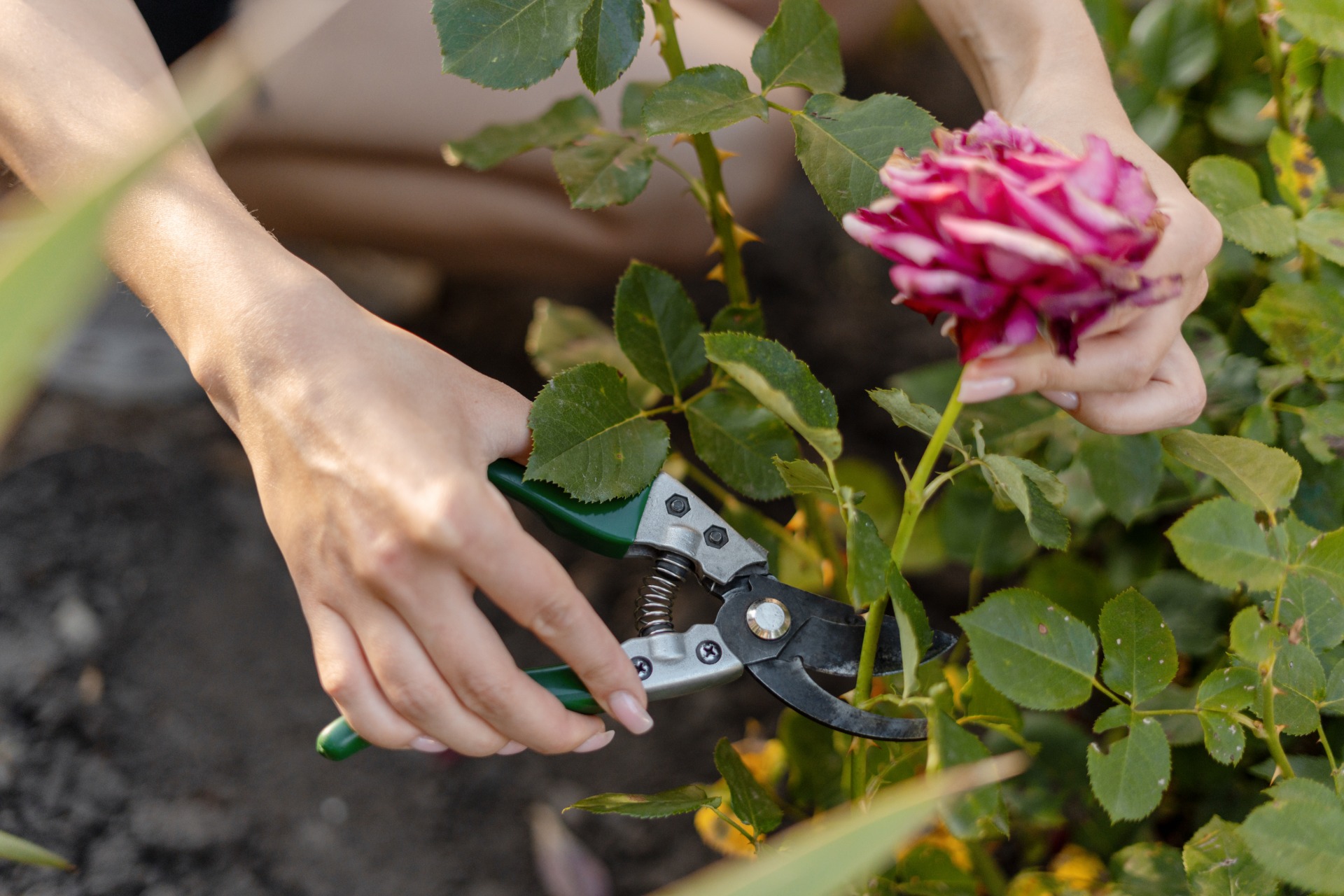
I spent years watching rose cuttings shrivel and fail. Honestly? The frustration almost made me quit trying to figure out how to grow roses from cuttings for good. I wanted free plants that matched my favorites, but every attempt ended in limp stems and empty pots. That changed when I stopped overcomplicating the process and stuck to a few clear steps that actually deliver roots.
You want more roses without buying new ones every season. I get it. This method gives you that. I share exactly what worked in my garden after plenty of trial and error.
Why I Keep Growing Roses From Cuttings
Growing roses from cuttings saves money. It also keeps the exact same plant I already love. No surprises in color or growth habit.
I started because one of my favorite climbers was getting old and sparse. Buying a replacement felt wrong when I could clone it instead. Own-root roses from cuttings tend to live longer in my soil than grafted ones. They sucker less and bounce back better after tough winters.
See, the real payoff shows up after the first successful batch. Suddenly you have plants to share or fill empty spots. I think chasing perfect nursery stock is the wrong way to go about it. Building your own stock is smarter and more satisfying.
The Best Time for Rose Cuttings
Timing matters more than most people admit. I take semi-hardwood cuttings in late summer or early fall. The stems have firmed up but still bend a little. Softwood cuttings in spring root faster but dry out quicker. Hardwood ones in late fall work too, yet they take longer.
Daytime temperatures between 70 and 80 degrees help. Early morning is ideal. Stems hold more water then. I water the parent plant the day before. That simple step gives the cutting a better start.
FYI, I avoid the hottest weeks of summer. Heat stresses the stems before they even leave the bush.
How I Select the Perfect Stems
I look for current-season growth about as thick as a pencil. Straight stems with a spent flower at the tip work best. The plant has already put energy into blooming, so the stem is ready to focus on roots.
I skip anything thin, diseased, or damaged. Three to five nodes are enough. Nodes are those little bumps where leaves grow. Roots often start there.
I take at least three cuttings from each variety. Success rates hover around 50 percent in my experience. Numbers help. Label them right away if you grow more than one type. Mixing them up later is annoying.
Preparing the Cuttings
This part is straightforward once you settle into a rhythm.
- Cut a 6- to 8-inch length. Bottom cut goes flat just below a node. Top cut sits at a 45-degree angle just above a node. The angle sheds water.
- Strip leaves from the lower two-thirds. Leave one or two sets at the top. Big leaves lose too much moisture, so I trim those down to a few leaflets.
- Remove thorns on the part that will sit in soil. Gloves help here. I nick or lightly scrape the bottom inch of bark. A few shallow vertical slices encourage more root spots.
- Optional but useful: dip the bottom in rooting hormone powder or gel. I use it most of the time. It speeds things up. Some gardeners skip it and still succeed if humidity stays high.
I keep prepared cuttings in a jar of water until they go into pots. Drying out kills more attempts than anything else.
Getting Them Into the Soil
I use a 50/50 mix of potting soil and perlite. Drainage is critical. Soggy medium leads to rot. Small pots with drainage holes work fine. A one-gallon pot holds three cuttings spaced toward the edges.
I poke a hole first so the hormone stays on the stem. Push the cutting in about halfway. At least two nodes stay below the surface. Firm the mix gently and water well.
Cover the pot with a clear plastic bag or inverted bottle to hold humidity. Prop the cover so it does not touch the leaves. Bright indirect light is perfect. Direct sun cooks them.
I place the pots outside in a shaded spot or on a porch. Indoors near a bright window works too. Keep the soil lightly moist. Not wet.
Keeping Cuttings Alive While They Root
Patience is the real skill here. Roots can appear in three to six weeks for semi-hardwood cuttings. Sometimes it takes longer. I check by giving a gentle tug. Resistance means roots have formed. New leaf growth is another good sign.
I lift the cover for a minute or two a couple times a week to refresh the air. Remove any fallen leaves or dead cuttings right away. Mold spreads fast.
Once roots show, I start opening the cover longer each day over a week. That hardens them off without shock. Then I pot them up individually if they shared a container.
IMO, the biggest shift came when I stopped hovering every day. Let them sit and do their thing.
What Happens Next and Moving Them Outdoors
New plants stay in pots for several months. I grow them on until the root system fills the pot. A larger container with the same well-draining mix helps. Light fertilizer after they establish is enough.
I transplant to the garden the following spring. Harden them off first by setting pots outside for a few hours and increasing time over a week or two. Choose a spot with good sun and soil that drains. Roses dislike wet feet.
Mulch after planting and water when the top inch of soil dries. The first year focuses on roots more than flowers. That is normal.
Mistakes I Made So You Do Not Have To
I used to take soft tips in high heat. They wilted before roots formed. Now I wait for firmer wood.
Overwatering was another killer. The medium looked fine on top while the base stayed soggy. Finger checks fixed that.
I once skipped the humidity cover. Almost every cutting dried up. The plastic bag is non-negotiable at the start.
Direct sun right after potting burned leaves. Indirect light saves them.
Taking only one or two cuttings left me with nothing when they failed. Multiple attempts raise the odds.
Frequently Asked Questions
Can I grow roses from cuttings without rooting hormone?
Yes. Many of my early successes skipped it. Focus on healthy stems, high humidity, and steady moisture instead. Hormone just improves the percentage.
How long does it take to grow roses from cuttings until they bloom?
Roots form in weeks. A garden-ready plant usually takes 9 to 12 months. Expect the first real flush of flowers the second season.
What is the easiest way to know if my rose cuttings have rooted?
Gentle tug test. If it resists, roots are there. New growth at the top is another clear signal. Looking through clear pots helps too.
Do all rose varieties root equally well from cuttings?
No. Some modern hybrids are fussier. Older garden roses and many climbers root more readily in my experience. Always take extras.
Can I root rose cuttings in water only?
I tried. Roots sometimes form but they are weak and struggle when moved to soil. A soil-perlite mix gives stronger plants.
I still check my cuttings less than I used to. That patience pays off. A few sturdy new roses appear every year now. Start with one healthy bush you already like. Follow the steps. Give the process time. You will end up with plants that feel more personal than anything from a catalog