


Hey there—if you’re reading this, you probably already love plants (or are about to 😉), and I’m glad you’re here. I want to share what I’ve learned about growing Lagerstroemia indica (commonly called “crape myrtle” or “crepe myrtle”) down here in Florida, because I’ve found it to be one of those reliable, show-stopping plants that handle our heat, sun, and humidity better than many.
Now, I know that when it comes to gardening, everyone has different priorities: maybe you want that bold red flower, or maybe fragrance matters most; maybe you’re installing a low-maintenance tree, or maybe you’re working with a budget and looking for maximum performance. I’ve been in your shoes—deciding between color vs. scent, size vs. space, budget vs. premium cultivar.
In my yard here in central Florida I planted a medium-sized crape myrtle a few years back, watched it bloom, battled a little mildew, and discovered the happy “sweet spot” of placement, watering and care for our climate. So I’m writing this guide from that real experience—honestly, what I’ve done, what worked, even what didn’t.
Stick with me and I promise you: by the end you’ll feel confident picking a crape myrtle variety to suit your Florida garden, know how to plant it right, maintain it well, and enjoy those big summer flower clusters without the usual headaches. Let’s dive in.
Quick Comparison Table: Major Crape Myrtle Options for Florida
Here’s a table summarizing different choices you might make—cultivar size, best region/use, bloom season, special features, etc. Use it as a quick reference before you dig in deeper.
| Name | Best Region / Use | Mature Height / Performance | Blooming Season | Notable Fragrance / Feature |
|---|---|---|---|---|
| ‘Natchez’ | North & Central Florida, full sun specimen tree | ~20–30 ft tall | Late spring through early fall | White flowers, exfoliating light bark Garden Vive+2Gardening Solutions+2 |
| ‘Tuscarora’ | Central & South Florida, summer color focus | ~15–20 ft tall | Summer to early fall | Coral-pink flowers, strong bloom performance Garden Vive |
| ‘Dynamite’ | Statewide, bold red blooms | ~15–20 ft tall | Mid-summer to fall | Bright red blooms, striking in the landscape Garden Vive+1 |
| ‘Petite Orchid’ | South Florida, small spaces or containers | ~3–5 ft tall | Early summer to fall | Light purple flowers, compact size Garden Vive |
| General selection (all crape myrtles) | Full-sun Florida landscapes | Varies from dwarfs < 4 ft to trees >20 ft Gardening Solutions+1 | Typically late spring through fall What’s Happening Around Florida+1 | Varied flower colors (white, pink, red, lavender), some have peeling bark as feature GardenDesign.com |
My Favorite Varieties (and How I Grow Them)
Here are a few of the varieties I’ve worked with (and/or researched) in Florida-friendly gardens, along with what I found practically in the field. If you like, you can also check more about how to prune crape myrtles in Florida (I’ll link to a related article in each section) so you’re fully set.
1. ‘Natchez’


6
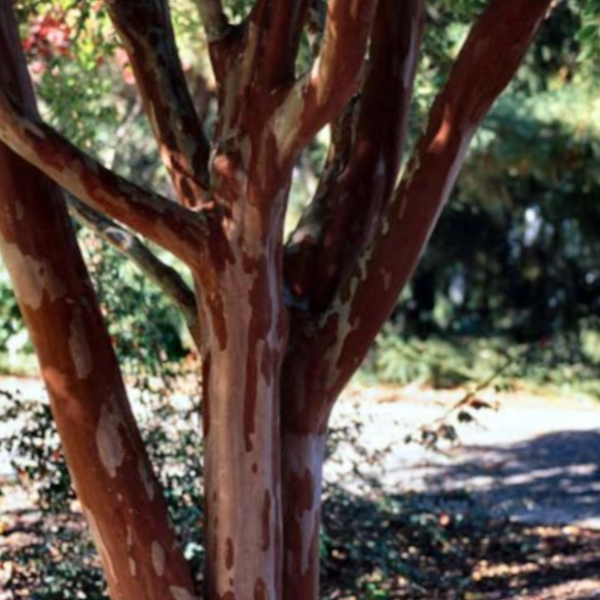
In my yard I planted a ‘Natchez’ facing full afternoon sun, and honestly—it’s one of my best landscape decisions. The white bloom clusters are crisp and contrast wonderfully with the dark green leaves, and in winter the bark peels off in beautiful texture and color.
My observation / story:
A few weeks after planting, I worried it might be slow—but by the next summer it was showing upright 6-8 ft growth. The bright white blooms stood out against our typical yard greens. One afternoon my neighbor stopped and asked “What tree is that with the white clouds of flowers?” I felt proud.
Practical tip:
Make sure you give it full sun (at least 6 hours). According to the University of Florida IFAS Extension, crape myrtles perform best with full sun. Gardening Solutions+1
Also, ensure your soil drains well—mine is sandy but with some organic matter and no standing water, which seems ideal.
Growing/care insights:
- Plant in late winter or early spring (for Florida) so the tree has a good establishment phase. Garden Vive
- Water regularly during the first few weeks after planting; once established the tree is drought tolerant. Gardening Solutions+1
- Prune lightly in late winter (see my pruning tips in the linked article on proper pruning). Avoid heavy topping. Solutions For Your Life+1
2. ‘Tuscarora’

6
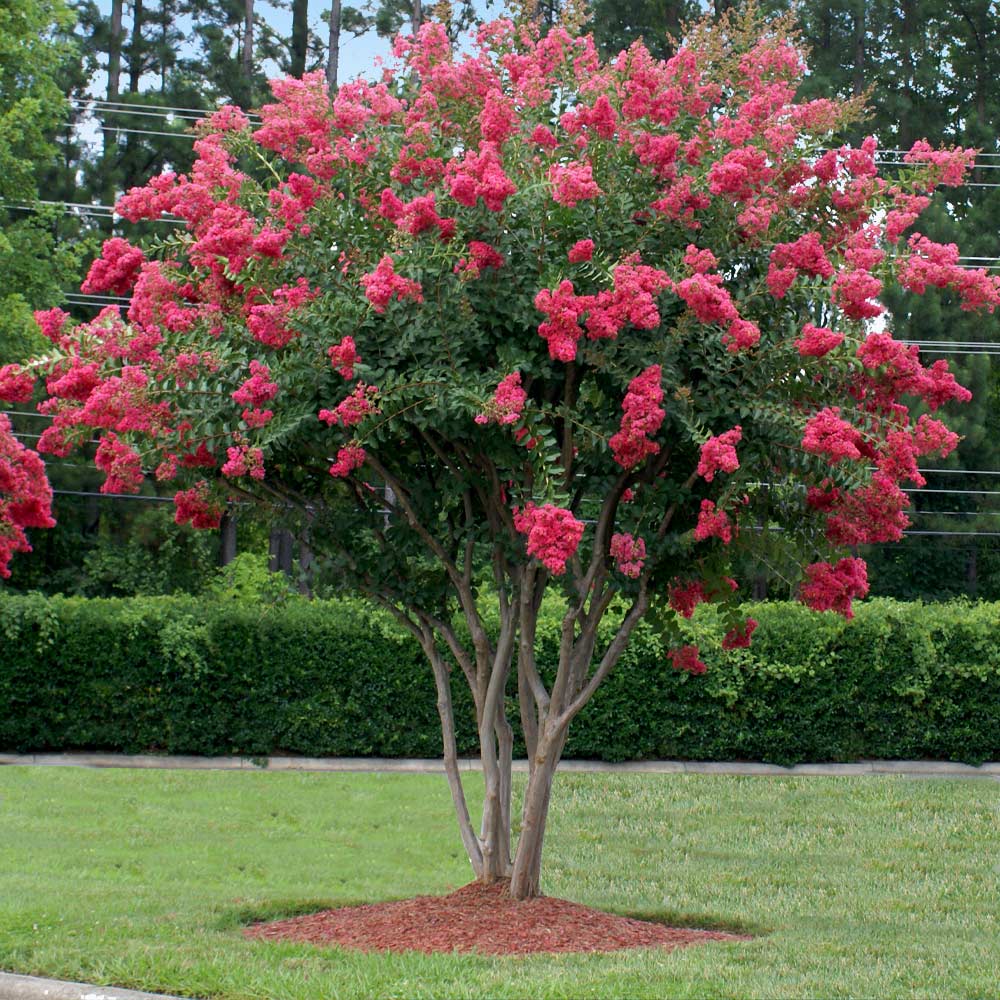
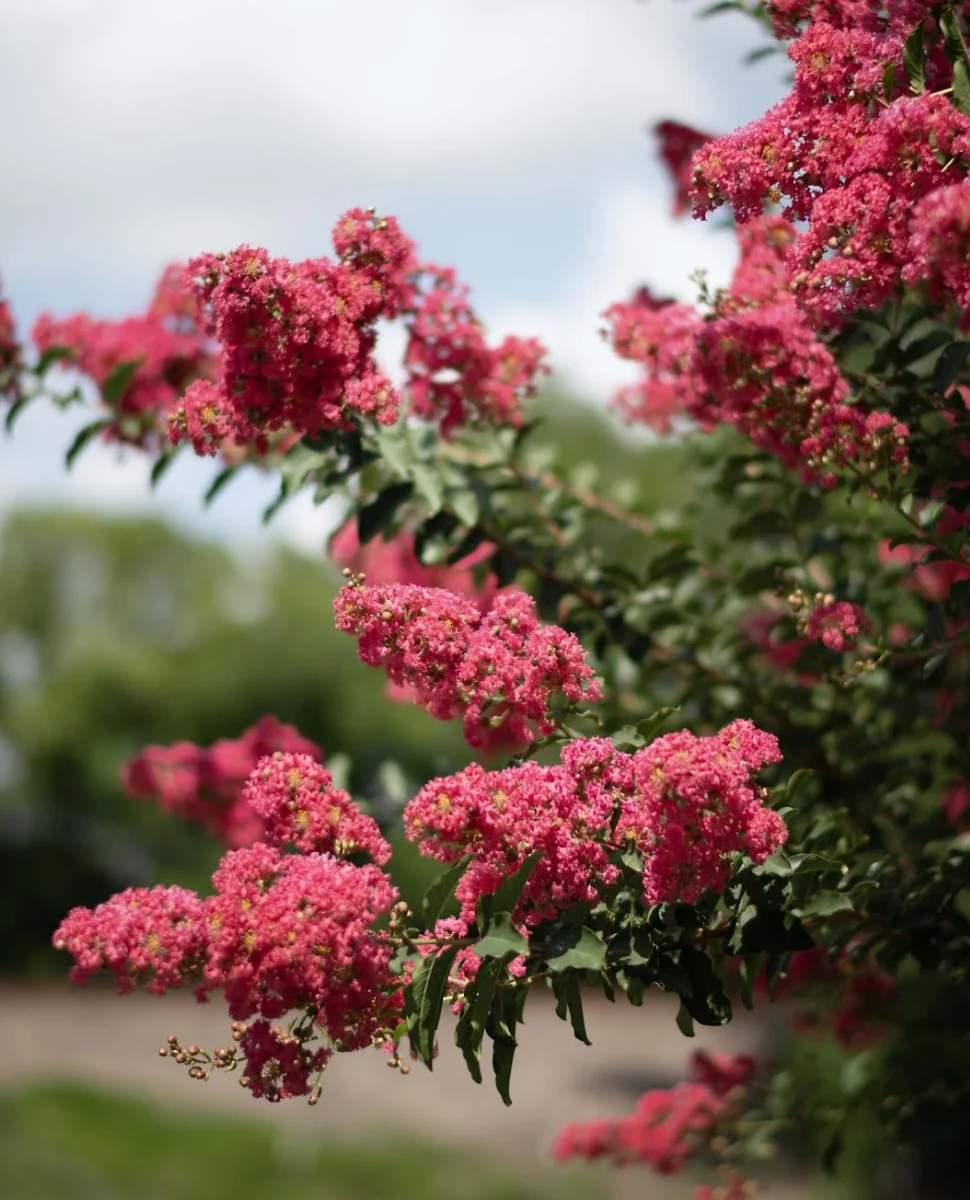
This is the variety I chose for a side yard that gets strong direct sun in the afternoon and is somewhat sheltered from the wind. The coral-pink color really pops and I felt it was a good pick for a busy area where I still wanted bold show.
My observation / story:
I remember watching the first bloom about three months after planting—clusters of coral-pink blew my expectations away. But I also noticed that when the midday heat peaked, the blooms curled a little earlier than shaded shrubs—so I added a light mulch and kept an eye on watering.
Practical tip:
Because South Florida and Central Florida can have intense sun, don’t forget mulch around the base (2-3 inches of organic mulch works). This helps moderate root temperature and retains moisture. I used pine fines and a bit of compost. Also, avoid burying the trunk under mulch. monrovia.com+1
I also made sure the spot had good air circulation—leaf diseases (like powdery mildew) are more likely when airflow is poor. Living Color Garden Center+1
Growing/care insights:
- Although this variety tolerates heat, regular watering in the first season is key. Garden Vive
- For bloom encouragement: dead-head or remove spent flower clusters after first bloom to encourage more. I trimmed off some of the early clusters and indeed got a second flush. south-florida-plant-guide.com
- Be careful with fertilizing: too much nitrogen will favor leaves over flowers. In Florida, plants growing in lawn zones often don’t need extra feed. What’s Happening Around Florida
3. ‘Dynamite’


6
If you want drama in your garden, ‘Dynamite’ is that answer. I’ve seen it along driveways in Central Florida and it really grabs attention. Deep red blooms and strong upright form—perfect for a focal point.
My observation / story:
One time I helped a neighbor plant a Dynamite near their pool area. The bright red blooms were spectacular against the pool tile and evening light. However, one caution: the blooms attracted so many bees that we felt it in our daily walk. So if you have kids playing nearby or sensitive people—just be aware. (Not a deal-breaker, but something I learned.)
Practical tip:
Because the blooms are so bold, make sure the surrounding plants complement rather than compete. I planted some lower green shrubs in front to let the red stand out.
Also, keep lawn mowers and string trimmers away from the trunk—those wounds invite pest issues. I experienced a small scale insect outbreak (the famous crape myrtle bark scale) when the trunk had damaged bark. Quick treatment and monitoring saved it. Reddit+1
Growing/care insights:
- Same full-sun requirement: 6+ hours per day. If shaded, the blooms will be fewer or weaker. TCPalm
- I found trimming off the first seed-pods after flowering helps keep the shape tidy. Some people just let them drop, but in the pool area we preferred cleaner. south-florida-plant-guide.com
- Watch for over-pruning: the source of “crape murder” is real and can weaken your tree or shrub. Solutions For Your Life+1
4. ‘Petite Orchid’


6
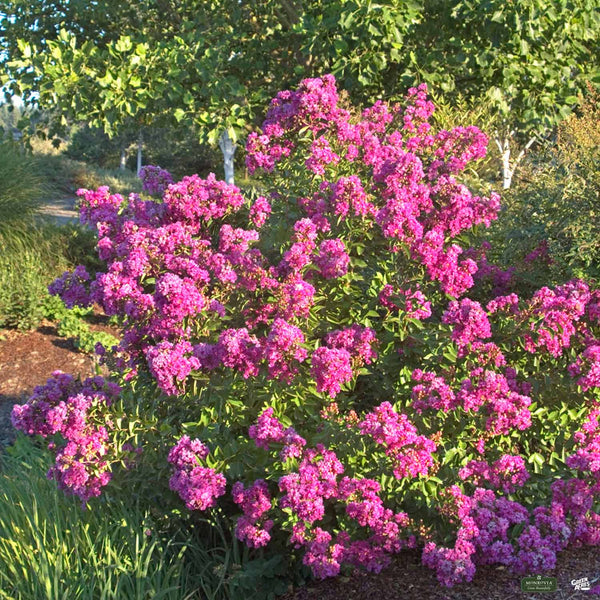
If you’ve got limited space (like a condo patio, small side yard, or you’re planting in a large container), this variety is gold. Light purple flowers, compact size—just 3-5 ft in height if you manage it right.
My observation / story:
In one of my small garden corners (just 6 ft wide between fence and shed) I planted a Petite Orchid in a large ceramic pot. It gave me the vibrant blooms without overwhelming the space. I was able to move it slightly when the sun angle changed, which I couldn’t do with the bigger trees.
Practical tip:
If using a container: ensure excellent drainage. These plants do not like “feet in water” even though Florida humidity and rain make us forget. I drilled extra holes in my pot and elevated it slightly so water could pass through. (See related container-care article.)
Also, be aware: winter in North Florida may cause more die-back for container plants, so protect the pot or move it to slightly sheltered spot if you’re in zone borderline.
Growing/care insights:
- Even though it’s small, full sun still applies: aim for 6+ hours. Partial shade just won’t give the same bloom density. GardenDesign.com
- Because it’s compact, you’ll have to dead-head spent blooms if you want neatness—they’ll bloom long if you keep up. In my experience, I got early summer to early fall outcomes. Garden Vive
- Fertilizing lightly in early spring helps—slow release or balanced formula. But again: don’t overdo nitrogen. Living Color Garden Center
Helpful Notes / Expert Advice
Climate & Regional Advice
Working in Florida means you have some advantages (warmth, long growing season) and some particular issues (intense sun, high humidity, rainfall, possible mild freezes in northern parts). Here are things I’ve learned:
- Sun: For best blooms, you’ll want at least 6 hours of direct sun. I found that even one hour less made a noticeable difference in flower cluster size. What’s Happening Around Florida+1
- Soil & drainage: These trees are surprisingly tolerant, but not miracle workers. In our Florida yards you may have sandy soils, alkaline soil patches, or heavy clay pockets. A soil with pH around 5.0-6.5 is optimal. What’s Happening Around Florida+1 If your soil is neutral/alkaline, you may see yellowing leaves or weaker blooms.
- Watering & establishment: Newly planted crape myrtles need regular watering for the first couple of months (once a week or more often in very hot weather) until they set roots. After that, they’re drought tolerant. GardenDesign.com+1
- Humidity & diseases: Florida’s humidity raises risk of issues like powdery mildew, especially if the plant is in partial shade or lacks air movement. I had one plant develop mildew when it was planted too close to a wall and never got breezes. Choose mildew-resistant cultivars, give space around them, and prune lightly. Living Color Garden Center+1
Seasonal Cautions
- Pruning timing: Late winter to early spring is ideal. If you prune too late you’ll cut off bloom buds and reduce the season’s yield. Also avoid heavy topping (“crape murder”). Solutions For Your Life+1
- Seed pods & maintenance: After blooms are done, seed pods form. They can weigh down branches and cause drooping. If it bothers you, trim them off to keep better form. south-florida-plant-guide.com
- Fertilizer caution: In Florida lawns where fertilization is frequent, your crape myrtle may already be soaked in nutrients. Over-fertilizing (especially nitrogen) can promote leaf growth at the expense of flowers. I slowed back my feed schedule and saw better blooms. What’s Happening Around Florida
- Wind & space: Some Florida landscapes face strong winds or hurricanes. While crape myrtles are fairly sturdy, planting them a safe distance from structures and ensuring they have room for canopy is wise.
Common Mistakes & How to Avoid Them
- Over-pruning / topping: I’ve seen many yards where the crape has been chopped like a hedge, losing its natural form. Not only does it look odd, but it weakens the tree. From my experience and others’ posts: “Don’t ‘top’ those… that’s what I’m trying to avoid is the dreaded crepe murder.” Reddit
- Planting in too much shade: Shade = fewer blooms, more disease. I tried a spot partly shaded and regretted it—moved the tree the following year.
- Ignoring spacing and mature size: If you plant a 20-ft mature tree in a 6-ft corridor, you’ll have issues. I once planted a fairly large cultivar too close to a fence, and within 3 years it curled branches into the fence. Choose the cultivar size consciously. Solutions For Your Life
Conclusion
Thanks so much for reading along—I hope you’ve found this peek into my garden (and into the world of crape myrtles in Florida) both useful and welcoming. Believe me, there’s nothing quite like those lush flower clusters lighting up your yard in the heat of summer, and with the right variety + care you’ll get years of enjoyment.
If you’re ready to pick out your variety, follow the planting & care tips, and watch your tree grow into a showpiece—I’m excited for you. And if you ever run into a question (“Why aren’t my blooms showing?” “When should I prune exactly in Florida?”), feel free to reach out—I’ll be glad to help!
If you like gardening content and hands-on stories like this, I’d love for you to subscribe (or bookmark this blog) so you don’t miss future articles on, say, “best understory shrubs for Florida heat” or “container trees for small patios”.
Thanks again for being here, and happy planting! I’ll see you under the blooms.