


Hey there—I’m so glad you’ve landed here. If you’re like me, you’ve looked around your Florida garden, squinted at the midday sun, and thought: “What shrubs will brighten this up and actually survive this heat and humidity?” Believe me—I’ve been there. In my years gardening here in the Sunshine State, I’ve found that when it comes to flowering bushes, the choices are many but the ones that really perform in Florida’s climate are fewer.

Now, preferences will vary—some of us lean toward color and bold blooms, others toward fragrance, or maybe low-maintenance performance vs budget-friendly plants. What works in South Florida may not be exactly the same as what thrives up North. I say this because I’ve learned the hard way that a “sure winner” in one part of Florida can struggle in another if you ignore region, soil, sun and moisture.

I’ve grown many shrubs over the years—some spectacular, some real disappointments—and that’s why I decided to write this guide. I want to share what I’ve found works best here in Florida (from Central to South) so you can pick the right flowering bushes for your yard with confidence.

By the end of this article I promise you’ll walk away with a practical comparison table of my top choices, detailed insight into each shrub (with my personal tips), and some regional expert notes (because Florida is not uniform!). Let’s dig in.

Comparison Table: Top Flowering Shrubs for Florida Landscapes
| Name | Best Region / Use | Height / Performance | Bloom Season / Time | Fragrance / Feature |
|---|---|---|---|---|
| Dwarf Ixora coccinea | Full sun, heat-tolerant, tropical beds | ~3-4 ft dwarf forms (up to ~6ft) groundsource.pro+1 | Year-round in warm zone; peak in warmer months groundsource.pro | Bright clusters of reds/oranges/pinks, tropical flair |
| Bougainvillea | Sunny walls, fences, hedge accents | 4-20 ft depending on form/vine Earth Works+1 | Many months; often major in winter and dry season gardeningsolutions.ifas.ufl.edu+1 | Papery bracts of vibrant color, dramatic impact |
| Gardenia jasminoides | Shade to part-sun, fragrant corners | 2-6 ft dwarf varieties, up to ~8 ft south-florida-plant-guide.com+1 | Late spring through summer; some rebloom gardeningsolutions.ifas.ufl.edu+1 | Perfumed white blossoms—classic fragrance |
| Hibiscus rosa‑sinensis | Tropical garden spots, bold specimen | 4-15 ft in Florida settings gardeningsolutions.ifas.ufl.edu+1 | Summer through fall, some year-round in southmost zones Living Color Garden Center | Large bloom size, tropical look, variety of colors |
Feel free to use this as a quick reference—and we’ll now dive into each of them one by one, with personal stories, tips and how-to’s.
1. Dwarf Ixora (Ixora coccinea)
6
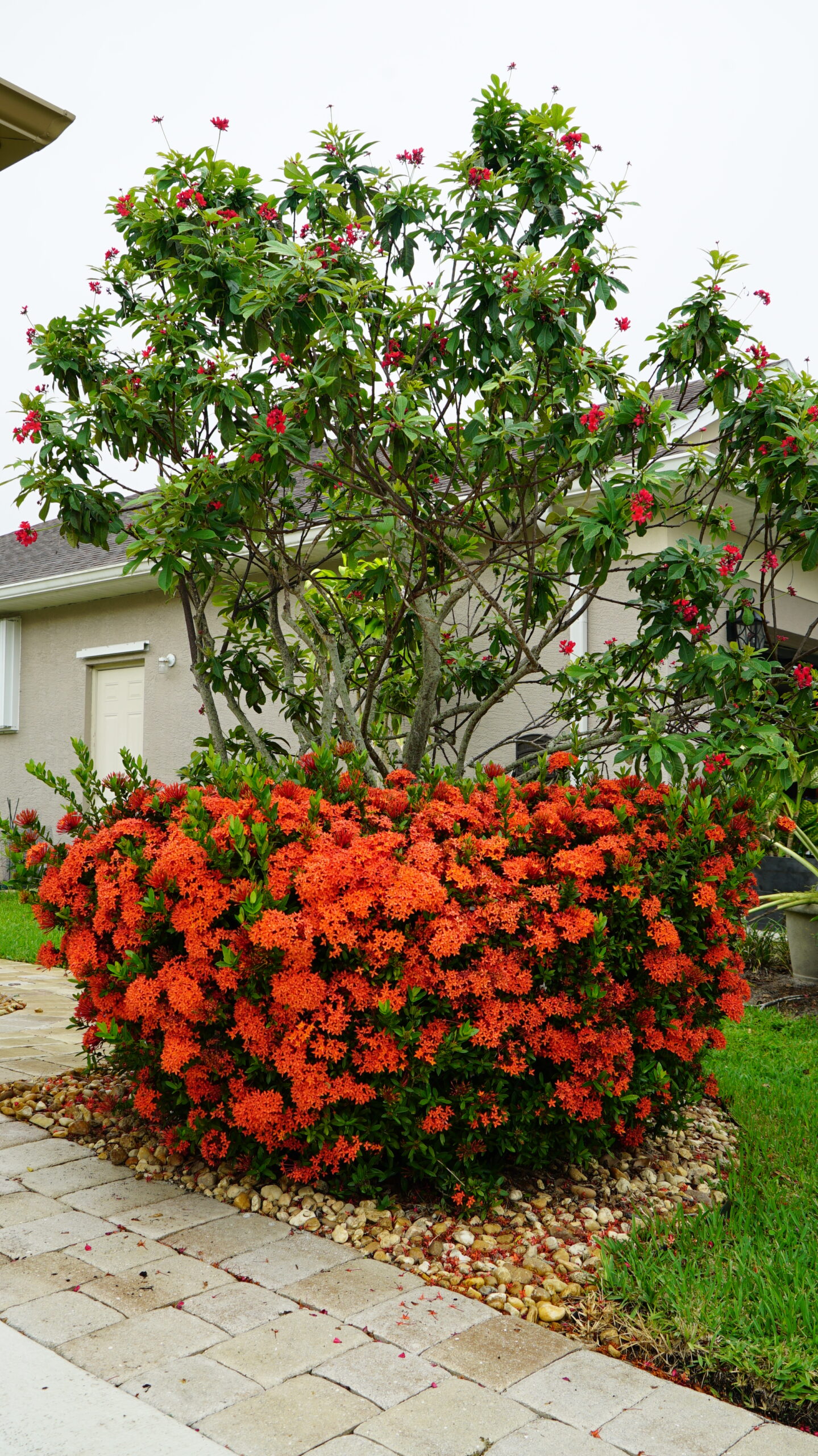
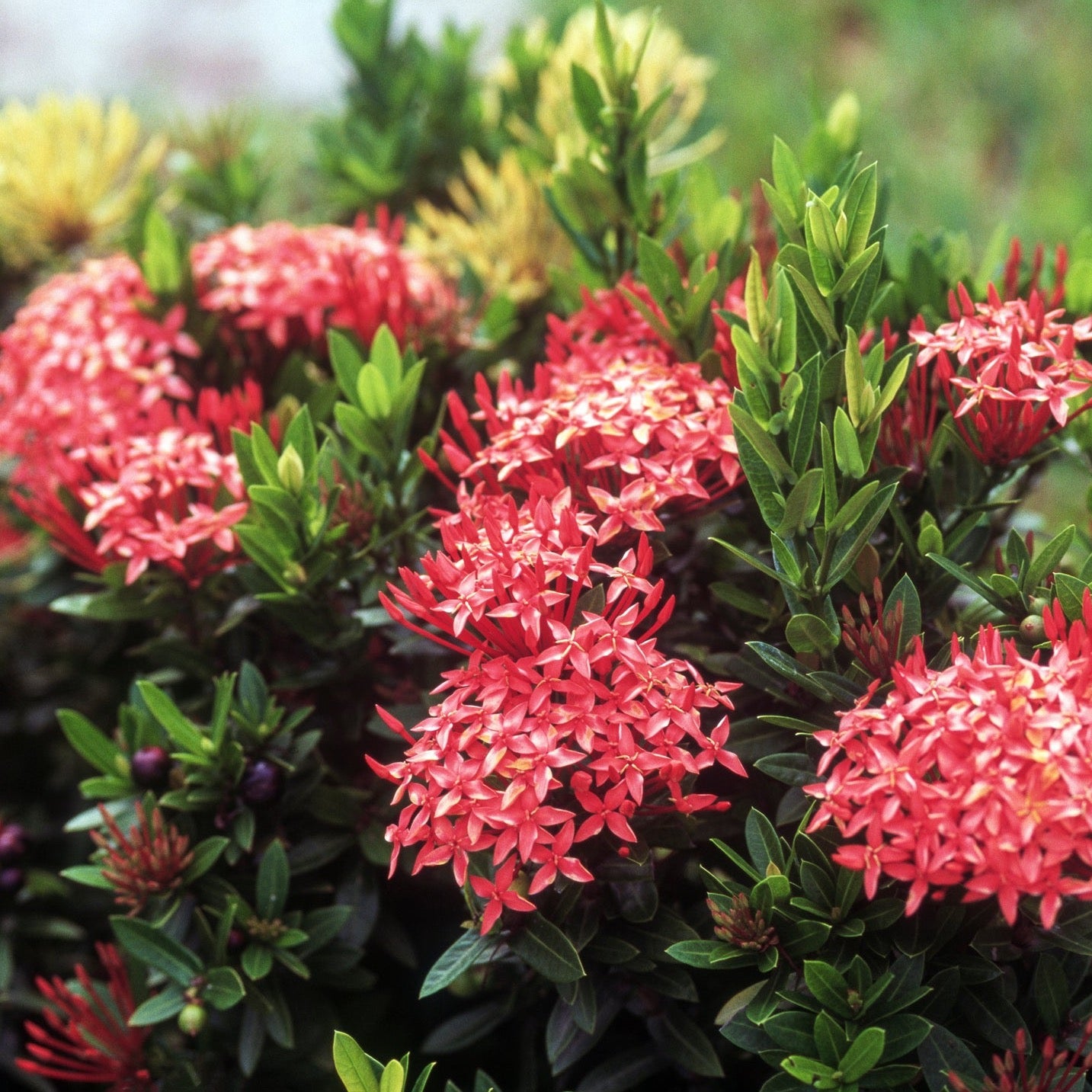
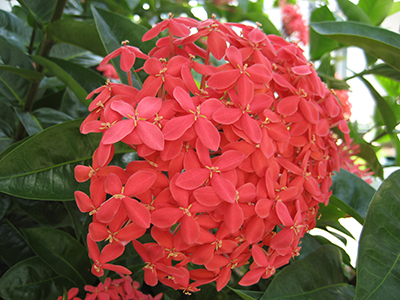
When I first planted a row of dwarf Ixora along the sunny side of my house, I will admit—I wasn’t sure how it would hold up in the Florida summer. But the moment those bright orange-red flower clusters began popping, I was hooked. These shrubs feel tropical, dense, and lush, and they’ve held up beautifully in full sun. According to one article, Ixora is listed among “plants that bloom year-round in Central Florida.” groundsource.pro
My practical tip: Choose the dwarf cultivars if you want manageable height (3-4 feet) so they don’t overwhelm the space. Make sure they get at least 4-6 hours of sun, and use a slightly acidic mulch (they like a bit of acid). Dead-heading spent flower clusters helps encourage more blooming.
Growing / care: They do well in well-draining soil, with regular watering when establishing. Once established, they’re more tolerant of heat and humidity. Because Florida soils (especially sandy ones) can leach nutrients, I apply a slow-release fertilizer in early spring and again mid-summer. Avoid heavy pruning—only trim after major flushes of bloom. For related tips, you might want to check out my article on shrubs that bloom year round in Central Florida.
Why I love them: The texture of the glossy leaves, the tight compact growth, and those bold flower colors—really bring the garden alive. They feel like a consistent performer in my Florida yard.
2. Bougainvillea

6
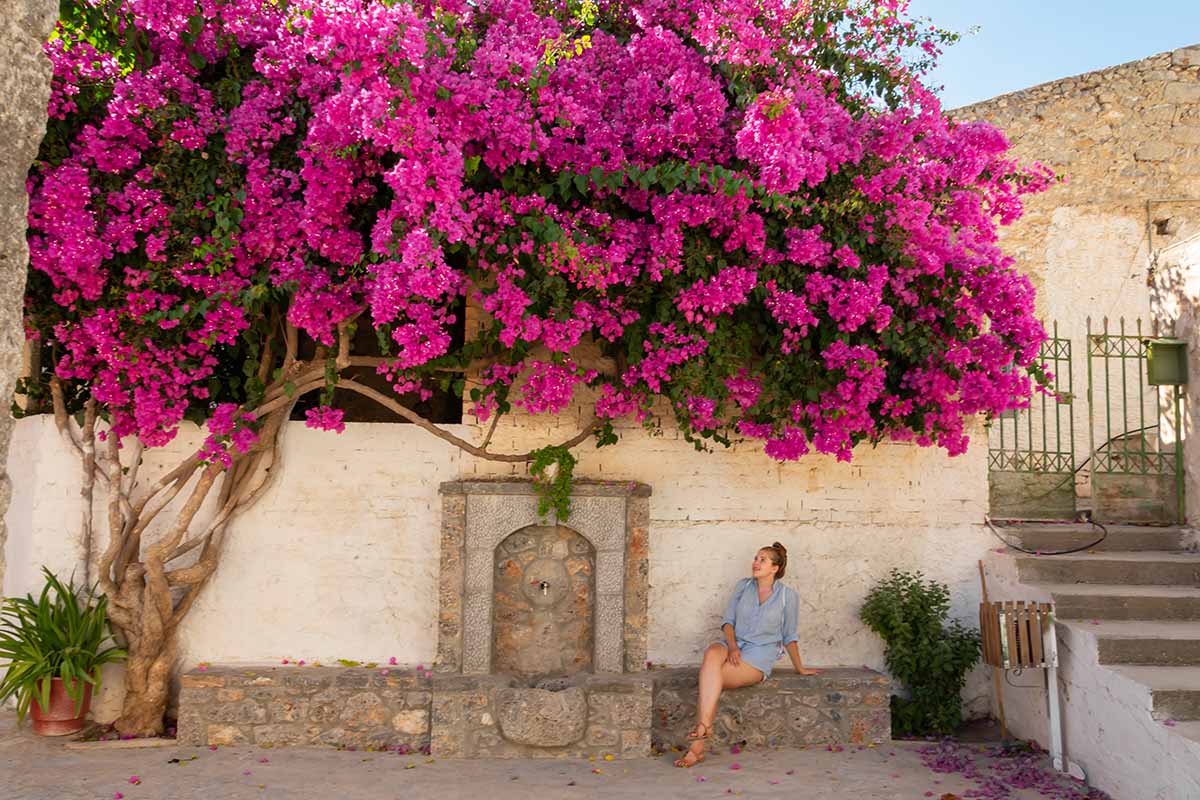
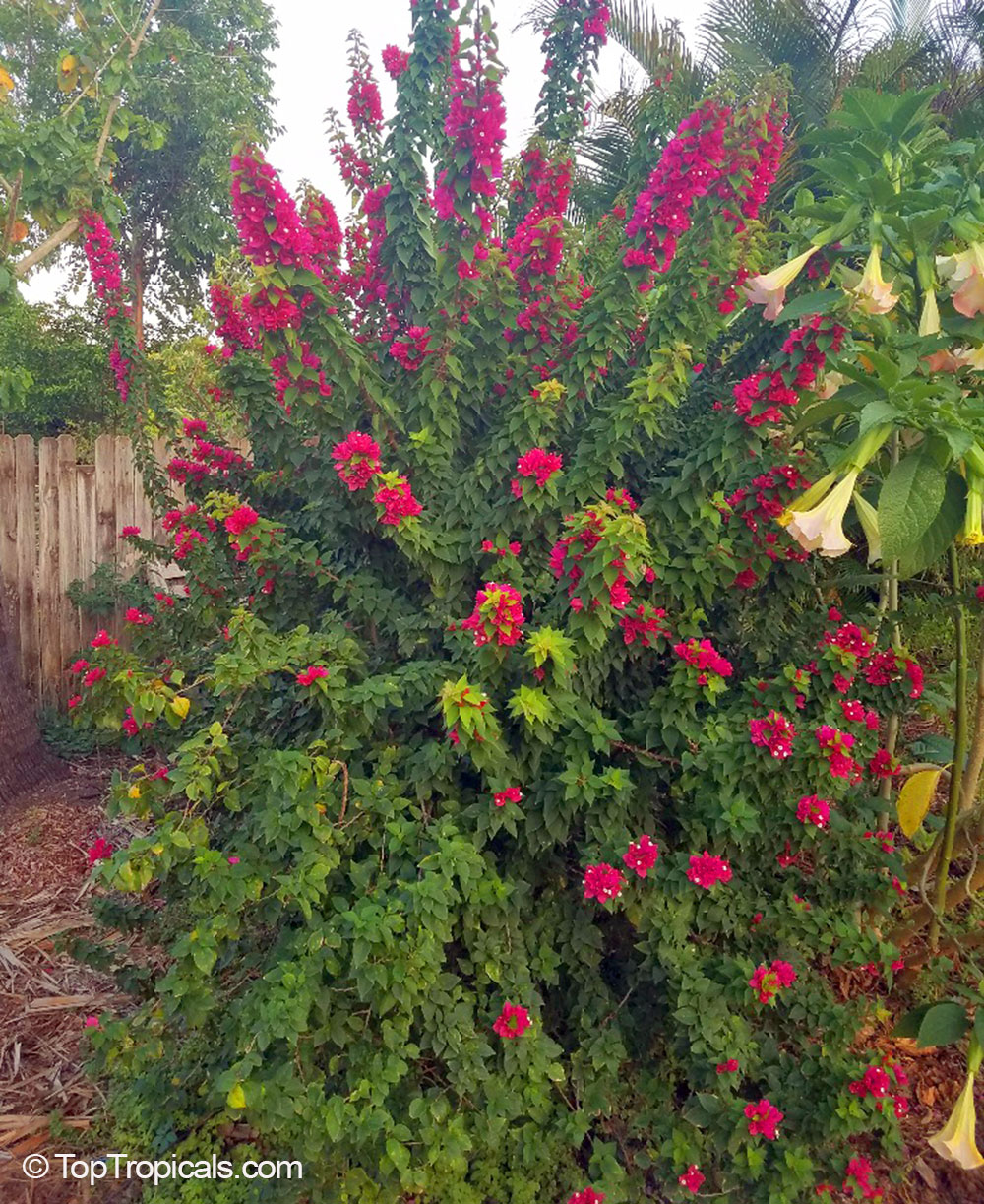
If you want dramatic, this is it. I planted a bougainvillea against a fence and let it climb. Within a year it was cascading in brilliant magentas and reds, and became a focal point in the garden. That said, it’s not without its quirks. According to the research, bougainvillea “requires full sun… performs better when soil is left a little dry” and is “drought-tolerant… needs protection from frost.” gardeningsolutions.ifas.ufl.edu+1
My practical tip: Plant in a very sunny spot—at least 6-8 hours of direct sun. Use soil with excellent drainage (amend with compost or sand if needed). Water deeply but less frequently—allow the top couple of inches to dry out between waterings. Too much water will reduce blooms. Also, wear gloves when pruning: many cultivars have thorns. south-florida-plant-guide.com
Growing / care: This shrub/vine gets big. Decide ahead whether you want it trained as a climber or kept low as a shrub. Prune in late winter/early spring after major bloom cycles to shape and stimulate bloom. Too much nitrogen fertilizer = lots of foliage and fewer bracts. These tips are backed by extension guidance. Earth Works+1
Why I love it (and to be fair, caution): The color impact is next-level. If you have a bare wall, a fence, a pergola—bougainvillea can transform it. But it’s not a “plant and forget” in the first couple seasons. You’ll want to keep up with support, shape, and drainage. Once established though, they are wonderful.
3. Gardenia (Gardenia jasminoides)

6
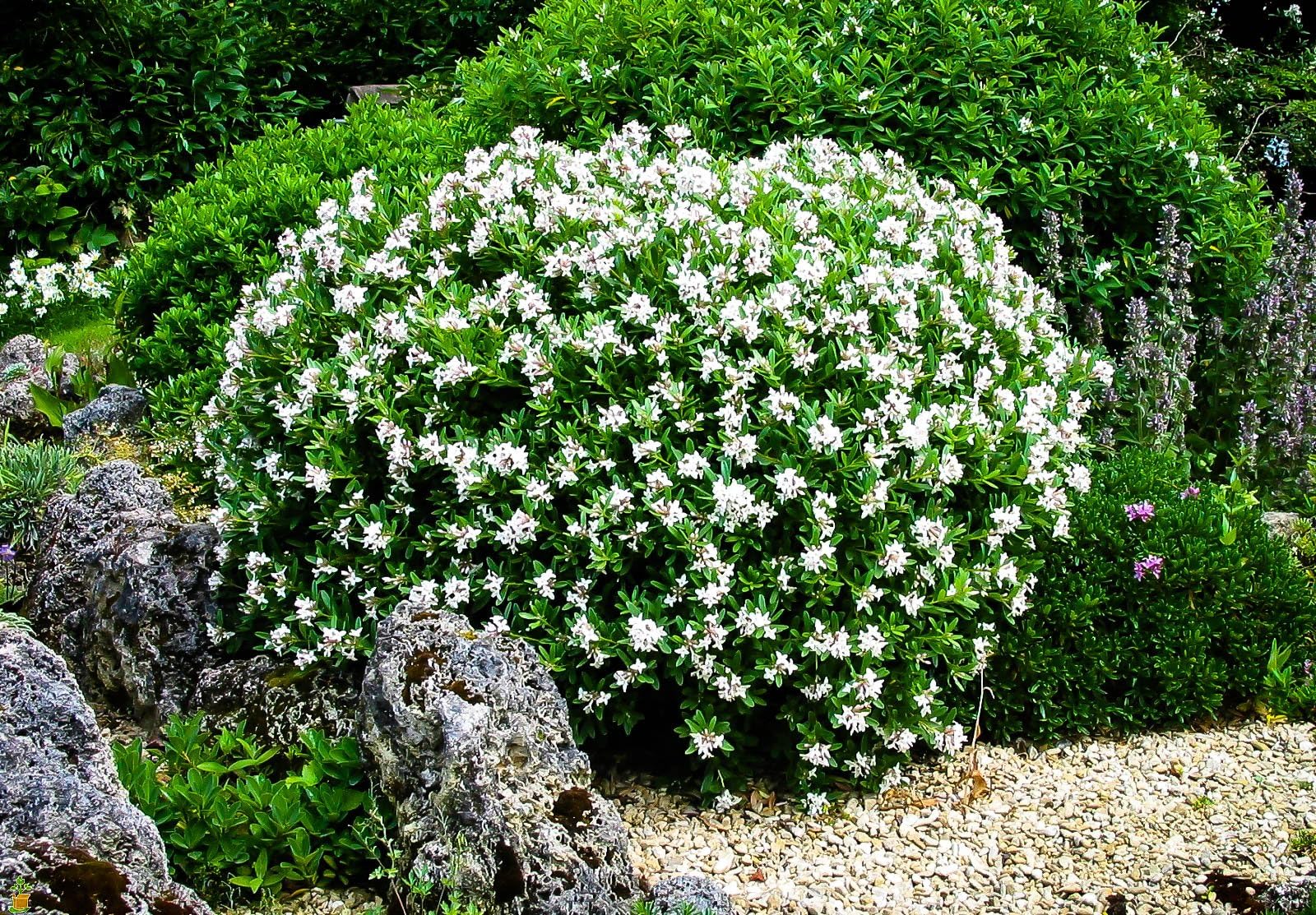
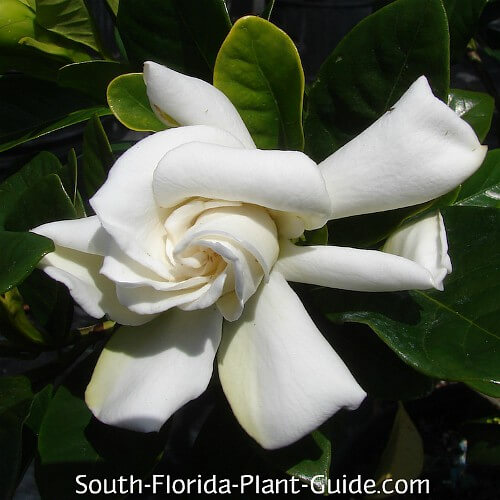
This one holds a special place in my garden. I planted gardenia bushes near our patio so I could enjoy their fragrance with my morning coffee. The creamy white blossoms and their scent are simply enchanting. The research says: plant them in “full sun, partial shade … with enough space for good air circulation” for best flower production. gardeningsolutions.ifas.ufl.edu+1
My practical tip: In Florida, especially in the south where afternoon sun can be brutal, I recommend morning sun and afternoon shade for gardenias. Mulch well to keep roots cool. Gardenia soil pH is critical: they like slightly acidic (5.0-6.5). If your soil pH is too high (common in coastal/sandy areas), consider a raised bed or amend heavily. south-florida-plant-guide.com
Growing / care: I fertilize twice a year with an azalea/gardenia specific fertilizer (spring and late summer). I prune immediately after flowering to maintain shape but not later than October, otherwise you risk cutting off next season’s buds. gardeningsolutions.ifas.ufl.edu
Why I love it: The fragrance. It draws pollinators, it gives evergreen structure, and it’s more refined compared to the flashier shrubs. If you want elegance more than wild color, gardenia is your plant.
4. Hibiscus (Hibiscus rosa-sinensis)
6
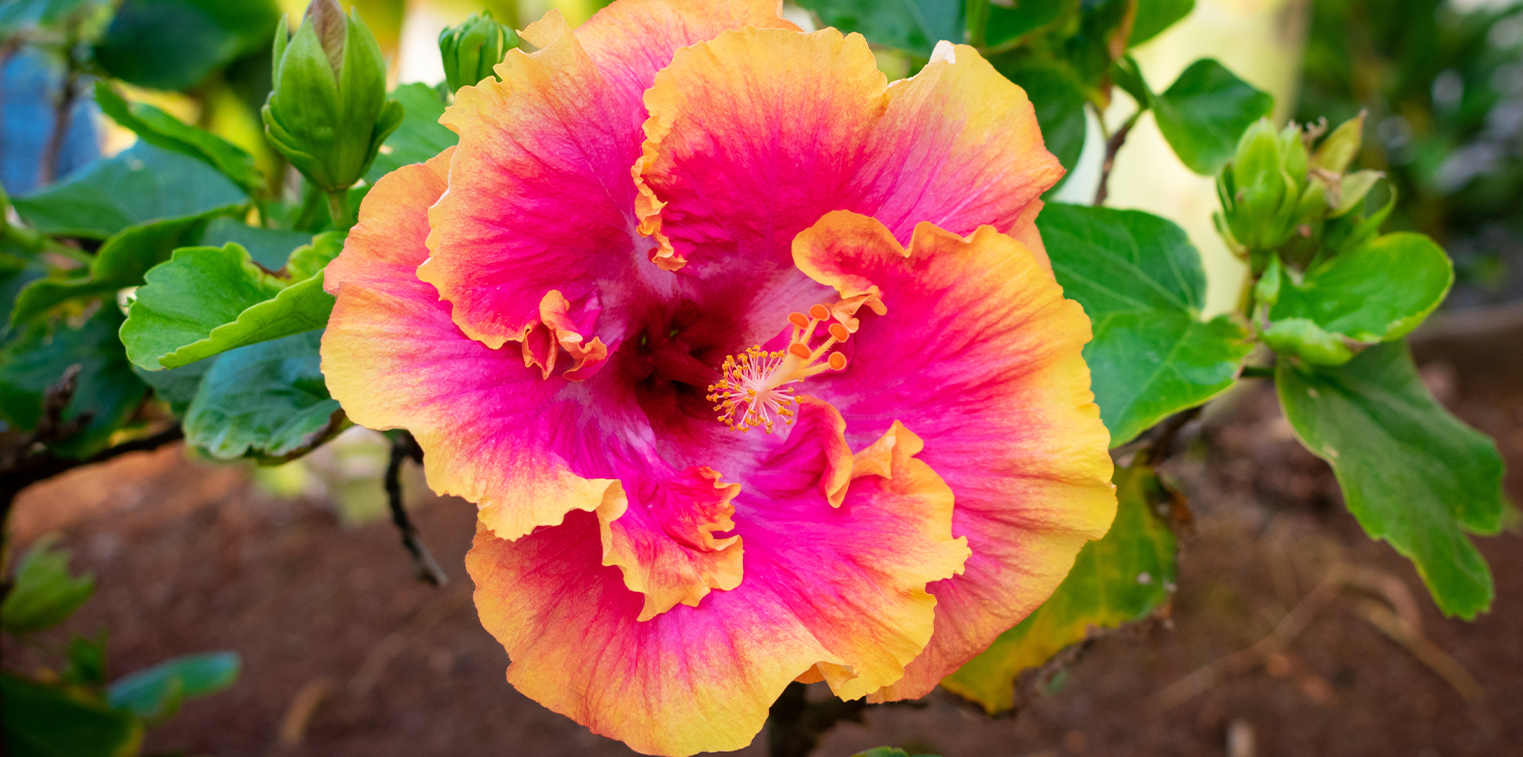
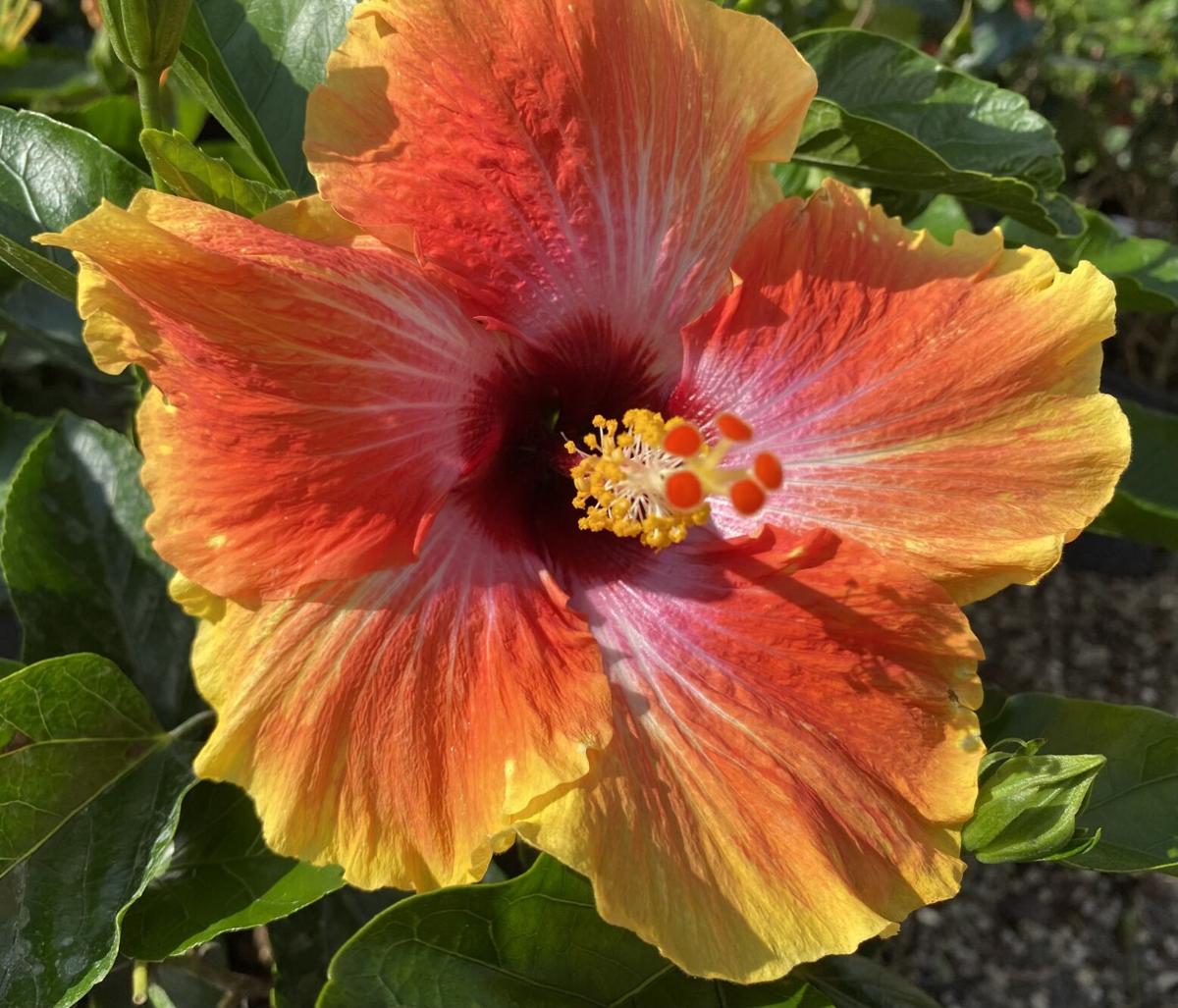
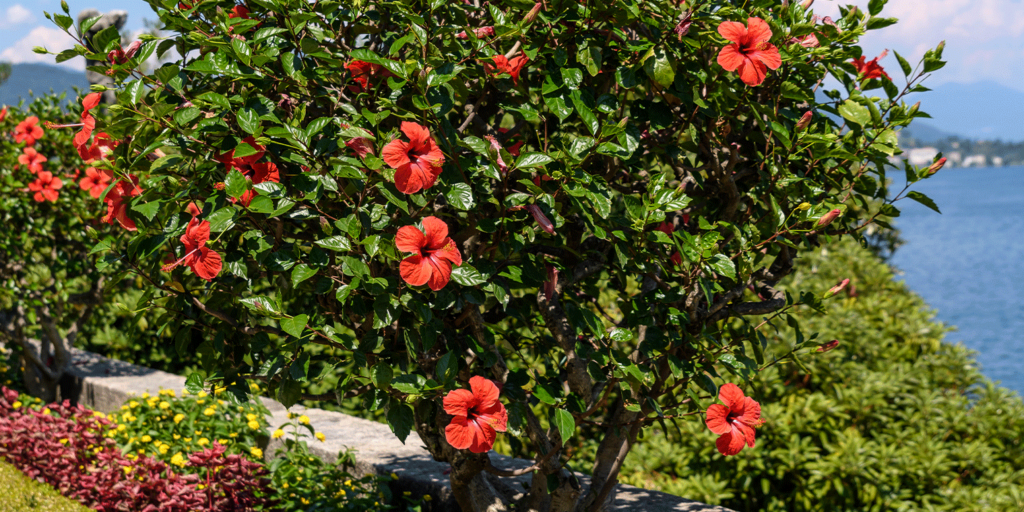
When I wanted a tropical vacation-feeling feature in my yard, I planted a couple of hibiscus shrubs. The large trumpet-shaped flowers and lush foliage instantly gave that vibe. Per the extension guidance: hibiscus in the South “stay green throughout the year… range in size… used as informal hedges or speciments.” gardeningsolutions.ifas.ufl.edu
My practical tip: Plant in full sun (or at least 6 hours) but if you’re in a blistering spot, some afternoon shade helps. Use well-draining, rich soil, and water regularly during hot spells. In deep sandy Florida soil you’ll need to make sure the soil stays moist but not water-logged. Living Color Garden Center+1
Growing / care: I fertilize every few weeks during the growing season with a high-potassium fertilizer and deadhead spent blooms to keep things tidy. Prune lightly in late winter/early spring. Watch for pests (especially on new growth). counciloxford.com
Why I love it: It’s showy. Want big blooms in red, orange, pink, yellow? Hibiscus delivers. If you have a “wow” spot—go for it. On the flip side: it’s a little more maintenance than something like Ixora or bougainvillea.
Helpful Notes / Expert Advice
Because we’re dealing with Florida’s unique climate (heat, humidity, sandy soils, salt spray in coastal areas), here are some extra notes I’ve learned over the years:
- Climate/Region matters. North Florida vs Central vs South differ. What thrives in Miami might struggle in the Panhandle. Some shrubs I mention above are more suited to Central and South Florida. For very coastal or salt-spray locations, check salt tolerance.
- Sun & shade balance. Even “sun-loving” shrubs may appreciate a little relief from harsh afternoon sun if planted near a hot wall or home. Morning sun + afternoon shade is often ideal for shrubs in hot Florida yards.
- Soil & drainage. Florida often has sandy soils or clay/shell mix. Make sure you amend soil with organic matter if needed and ensure good drainage—especially for shrubs like gardenia or hibiscus. For bougainvillea, slightly dry conditions are better than soggy.
- Watering & mulch. During establishment (first 6-12 months) shrubs need consistent watering; after that many become more drought-tolerant. Mulch helps keep roots cool, retain moisture, and reduce the stress of Florida midday heat.
- Pruning & fertilizing. Each shrub has its sweet spot for pruning and fertilizing. Too much nitrogen = lots of leaves, few flowers (especially true for bougainvillea). Pruning timing matters to avoid cutting off next year’s buds (e.g., gardenia).
- Safety/special concerns. Some shrubs may have thorns (bougainvillea) or can get quite large—make sure they won’t overtake walkways, pool areas, or views. Also, always choose cultivars suited for Florida zones, and be cautious with soil pH for acid-loving plants.
- Seasonal cautions. Cold snaps or unexpected freezes can damage shrubs in borderline zones—if you’re in a zone where frost occurs, be ready to protect vulnerable shrubs (especially younger ones) for the first two winters.
Conclusion
Thanks so much for hanging out with me through this shrub-tour of my favorite flowering bushes for Florida gardens. Whether you’re aiming for bold color, fragrance, or low-maintenance impact, I hopes these selections—Dwarf Ixora, Bougainvillea, Gardenia, Hibiscus—give you real, trustworthy options that have proved themselves in Florida’s unique conditions.
Honestly, gardening here isn’t always easy—heat, pests, soil quirks, tropical storms—they test your plants and patience. But when you find those shrubs that really shine? It’s magic. I am passionate about creating a garden that thrives in our climate rather than fights it, and I invite you to join me in that journey.
If you enjoyed this guide, I’d love for you to subscribe to receive more insights—whether you want hedges, tropical accent plants, or Florida-friendly perennials. And hey—drop a comment, send a photo of your garden, or ask me a question—I’m right there in the trenches with you.
Here’s to lush blossoms, resilient shrubs, and a garden that brings you joy every day.