

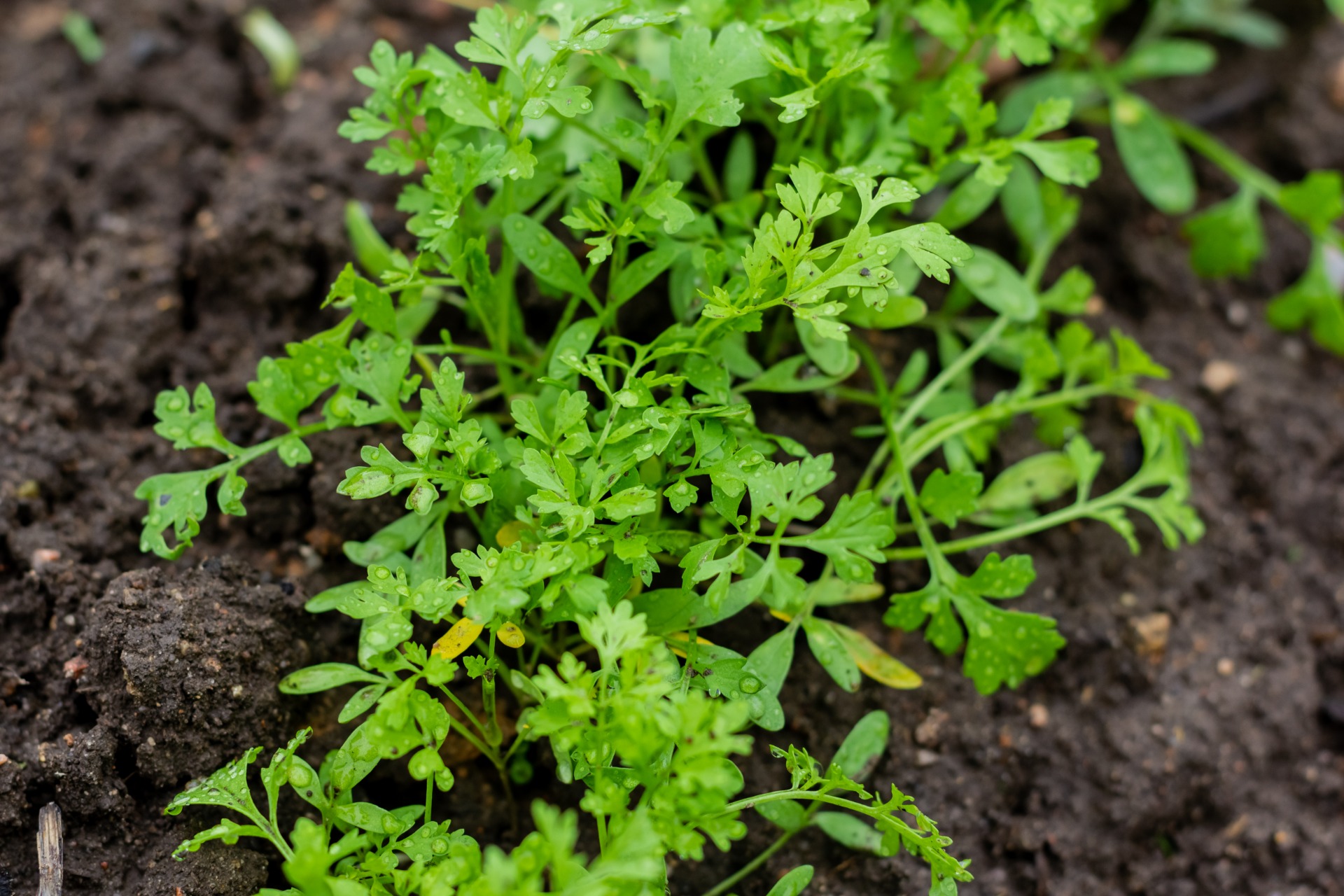
I spent three straight seasons watching my cilantro plants how to grow dreams turn into bitter, flower-topped disappointments. Honestly? I almost gave up. The supermarket bunches tasted better than anything I managed to pull from my own soil, and that stung. Then I stopped fighting the plant and started working with its actual habits. Now I get steady handfuls of bright green leaves for weeks at a time. This is everything I learned the hard way so you do not have to repeat my early messes.
Cilantro wants cool weather, consistent moisture, and almost zero root disturbance. Give it those three things and it rewards you fast. Ignore them and it bolts before you even finish your first taco night. I will walk you through the exact steps I use now, from seed to harvest, with the mistakes I made along the way so you can skip them.
Choosing the Right Time to Start
Timing is the single biggest factor. Cilantro is a cool-season herb. It thrives when daytime temperatures sit between 50 and 75 degrees Fahrenheit. Once the mercury climbs past that and the days stretch long, the plant shifts into seed mode. Leaves turn sparse and bitter. I learned this after planting a big bed in mid-June one year. Within three weeks every plant had shot up a flower stalk. Total loss.
I now sow in early spring as soon as the soil can be worked. In my zone that means late March or early April. I sow again in late summer for a fall crop. In milder climates you can keep going through winter. The key is matching the plant to the weather window, not forcing it into summer heat.
Succession planting keeps the supply coming. I sow a new short row every two to three weeks during the cool windows. As one batch starts to think about flowering, the next is just hitting peak leaf production. It feels like extra work at first. It is not. Ten minutes every couple of weeks beats a single huge planting that all bolts on the same day.
Soil and Site Setup That Actually Works
Cilantro grows a long taproot. Shallow or compacted soil stunts it fast. I dig or loosen the top six to eight inches and mix in a couple of inches of compost. The goal is light, well-draining soil that still holds steady moisture. Heavy clay is the enemy. So is pure sand that dries out in a day.
pH between 6.0 and 7.0 is ideal. I have never tested mine obsessively, but a simple kit once a year keeps me honest. Full sun is fine in spring and fall. In warmer spots I give the plants afternoon shade. A little protection from the hottest rays slows the bolting clock.
Containers work well if you choose deep ones. I use pots at least ten to twelve inches deep so the taproot has room. Shallow window boxes fail every time for me. Drainage holes are non-negotiable. Soggy roots invite rot and then the whole plant collapses.
Planting Cilantro Seeds the Way I Do It Now
Direct sow. Always. I tried starting indoors and transplanting once. The roots hated the move. Every seedling bolted within days of going outside. Never again.
Each “seed” is actually two seeds stuck together in a hard husk. I gently roll them between my palms to crack the outer coat a little. Then I soak them in water for twenty-four hours. Germination jumps and happens faster. I plant them a quarter to half inch deep, spaced one to two inches apart in rows about a foot apart. After the seedlings reach two or three inches tall I thin them to six inches. The thinnings go straight into a salad. Nothing wasted.
Keep the soil evenly moist until the sprouts appear. That usually takes seven to fourteen days if the soil stays around 55 to 65 degrees. Once they are up I ease off a bit but never let the top inch dry out completely. Drought stress is another fast ticket to bolting.
Daily Care That Keeps the Leaves Coming
Water is the second most important piece after timing. Cilantro likes consistent moisture. Not swampy. Not bone dry. I water deeply once or twice a week depending on weather and check the soil with my finger. If the top inch feels dry, I water. Mulch helps a lot. A light layer of straw or shredded leaves keeps the soil cooler and slows evaporation. I started mulching after my second failure year and the difference was obvious.
Fertilizer is optional. I side-dress once with a light nitrogen feed if the plants look pale. Too much and you get lots of soft growth that still bolts early. Less is more here.
Light needs are simple. Six hours of sun is plenty. In hot climates I shift pots to a spot with morning sun and afternoon shade. Indoors I keep plants on a bright south window or under a simple grow light for about twelve to fourteen hours. Temperatures above 75 degrees indoors still push them to flower, so I keep the room cooler if I can.
How I Fight Bolting Without Losing My Mind
Bolting is not a personal failure. It is the plant doing exactly what it evolved to do. Heat, long days, and stress all trigger it. I cannot stop the seasons, but I can slow the process.
I plant bolt-resistant varieties now. Calypso and Santo have given me the longest leaf window in my garden. They still bolt eventually, just later. Regular harvesting also helps. I snip outer leaves often. The plant stays focused on making more foliage instead of racing to flower. When I see the first flower stalk starting to rise I pinch it off right away. That buys me another week or two of leaves.
Shade cloth in late spring is another trick that works. A 30 to 50 percent shade cloth over the bed keeps soil temperatures down. Combined with mulch it stretches the harvest further than I used to think possible.
See, the real question is not how to stop bolting forever. That is the wrong way to go about it. The better question is how to keep a continuous supply coming so one plant’s end does not leave you empty-handed. Succession sowing answers that.
Harvesting Without Killing the Plant
I start harvesting when the plants reach about six inches tall and have several sets of true leaves. I cut the outer stems first, leaving the center growing point intact. Never take more than a third of the plant at once. It recovers fast and keeps producing.
For the biggest flavor I harvest in the morning after the dew dries but before the day heats up. Leaves stay crisp and aromatic longer. If I need a large amount I cut whole stems low and let the plant regrow. It usually gives me two or three solid harvests before the inevitable flowering begins.
Once the plant does flower I let a few go all the way. The seeds become coriander. I wait until the seed heads turn brown and dry, then cut the stems and hang them upside down in a paper bag. The seeds drop out clean. Homegrown coriander tastes brighter than anything from the spice aisle. IMO it is worth the wait.
Growing Cilantro in Pots and Indoors
Containers give me more control over temperature and placement. I move pots to cooler spots when a heat wave hits. Deep pots with good drainage and a light potting mix rich in organic matter work best. I water more often than garden beds because pots dry faster. The finger test still rules.
Indoors is trickier. Cilantro needs strong light and cooler air. My south window works in winter. In summer the same window gets too hot and the plants bolt in under a month. Grow lights help, but the short productive life remains. I treat indoor plants as short-term crops and start new seeds every few weeks. It is the only way I have found to keep a steady indoor supply.
Common Problems I Have Faced and Fixed
Yellow lower leaves usually mean too much water or exhausted older plants. I cut back on watering and harvest the remaining good leaves. Aphids show up sometimes. A strong spray of water or a light insecticidal soap handles them. Powdery mildew appears in humid stretches with poor airflow. Thinning the plants and watering at the base instead of overhead cuts it down.
The biggest problem is still bolting. I stopped treating it as a disaster. Now I plan for it. Some plants feed me leaves. Others feed me coriander seeds. Both are useful. That mental shift removed most of the frustration.
Damping off can hit seedlings if the soil stays too wet and cold. Good drainage and not overwatering solve most of it. I also avoid starting seeds in heavy garden soil indoors. A sterile seed-starting mix is safer.
Varieties Worth Trying
I stick with a few reliable ones. Slow Bolt and Calypso give me the longest leaf season. Leisure has a strong flavor I like for cooking. Large Leaf produces bigger handfuls per plant. I rotate among them so I always have something coming on. Experimenting with one new variety each season keeps things interesting without risking the whole crop.
Frequently Asked Questions
How long does it take for cilantro plants how to grow from seed to first harvest?
I usually get usable leaves in 30 to 45 days under good conditions. Peak production sits around 50 to 60 days before bolting pressure builds.
Can I grow cilantro from supermarket stems?
I have tried. Results are poor. The plants are already stressed and often root-bound. Starting from fresh seed is far more reliable and gives stronger plants.
Why do my cilantro plants keep bolting so fast?
Heat, long days, dry soil, or root disturbance are the usual triggers. Cooler timing, mulch, consistent water, and direct sowing fix most of it for me.
Is cilantro easy to grow in hot climates?
It is possible if you stick to fall and winter windows and use afternoon shade. Summer plantings almost always disappoint in my experience.
How do I store harvested cilantro so it lasts longer?
I treat the stems like cut flowers. Trim the ends, stand them in a jar of water, and cover loosely with a plastic bag in the fridge. It stays fresh for a week or more.
Final Thoughts from My Garden
Growing cilantro taught me patience and realism more than any other herb. I used to expect one perfect long-lived plant. That expectation set me up for frustration. Now I treat it as a short, intense crop that rewards frequent small plantings. The leaves taste better when I stop fighting the plant’s nature and simply ride the cool seasons.
Start small. Sow a short row this week if the weather is right. Keep the soil moist. Harvest often. Plant again in two weeks. That rhythm is what finally gave me the steady supply I wanted. You will figure out the exact timing for your yard faster than you think. The first successful handful of homegrown cilantro in a bowl of salsa makes every earlier failure worth it.