

I killed my first three aloe vera plants. Not on purpose. I just loved them too hard. Overwatered them like they were thirsty houseplants instead of desert survivors. Watched the leaves turn soft and mushy. Felt that familiar defeat. Then I stopped guessing and started paying attention. Now I keep half a dozen thriving ones on my windowsills and share pups with friends. This is the exact process I use for how to grow aloe vera plant the way it actually wants to live.
You do not need fancy equipment or a green thumb. You need the right light, the right soil, and the discipline to leave the watering can alone most of the time. I will walk you through every step I follow, the mistakes I made, and the fixes that finally stuck.
Choosing the Right Spot and Light for Your Aloe
Aloe vera comes from hot, dry places. It wants bright light. Indoors that means a south- or west-facing window in most homes. I keep mine right on the sill where it gets several hours of strong light every day.
Too little light and the leaves stretch out looking pale and weak. They start leaning toward any window they can find. Too much sudden direct sun through glass can scorch them. I learned that the hard way one July afternoon. The leaves turned reddish-brown in patches. I moved the plant back a foot and the damage stopped spreading.
If your only windows face north, consider a simple grow light. I use one for a couple of hours in winter when the days get short. The plant stays compact and the color stays rich green with those soft gray speckles I love.
Outdoors works only if you live in a warm climate where nights stay above 50°F. Even then I bring mine inside once temperatures drop. Frost kills the leaves and can take the roots with them.
The Soil and Pot That Keep Roots Happy
This is the part most people get wrong. Regular potting soil holds too much water. Aloe roots hate sitting wet. They rot fast.
I use a cactus and succulent mix every time. Sometimes I mix my own: equal parts regular potting soil, coarse sand, and perlite. The goal is fast drainage. Water should run straight through.
Pots matter just as much. Terra cotta is my favorite. It breathes and pulls moisture away from the soil. Plastic works if it has big drainage holes, but I still prefer clay. Never use a pot without holes. I tried a pretty ceramic one once. The plant lasted three weeks.
Size the pot to the plant. Aloe likes to feel a little root-bound. Too big a pot means the soil stays wet longer. I go up only one size when I repot, every two or three years.
Planting Steps I Follow Every Time
- Fill the pot about two-thirds with the mix.
- Set the plant so the base of the lowest leaves sits right at or just above the soil line. Burying the crown is a fast track to rot.
- Fill around the roots and firm the soil gently.
- Do not water yet. Wait five to seven days so any damaged roots can callus over.
That last step saved more plants than any other tip I ever learned.
Watering: The Hardest Habit to Break
I used to water every time the top looked dry. Wrong move. Aloe stores water in its thick leaves. It can go weeks without a drink.
Now I stick my finger two inches into the soil. Only when it feels completely dry do I water. Then I soak it thoroughly until water runs out the bottom. Empty the saucer. Never let the pot sit in water.
In summer that might mean every two weeks. In winter I stretch it to three or four weeks. The leaves tell me if I wait too long. They start to wrinkle slightly. One good drink and they plump right back up.
Overwatering shows as soft, yellowing leaves that pull away easily at the base. Underwatering is thinner, curling leaves. Both are fixable if you catch them early. Root rot is the killer. If the base feels mushy, I unpot the plant, cut away the soft roots, let it dry for a few days, and repot in fresh mix. Sometimes it makes it. Sometimes it does not. I have lost a few that way.
Temperature, Humidity, and Everyday Care
Most homes sit in the perfect range: 55 to 85°F. Aloe does not need high humidity. Dry indoor air is fine. I keep mine away from cold drafts and heating vents that blast hot air.
I fertilize lightly once in spring and once in early summer with a diluted cactus fertilizer. Too much food makes the leaves soft and leggy. I skip it completely in fall and winter.
Dust builds up on the leaves. Every couple of months I wipe them with a damp cloth. Clean leaves take in light better and look sharper.
How I Propagate New Plants from Pups
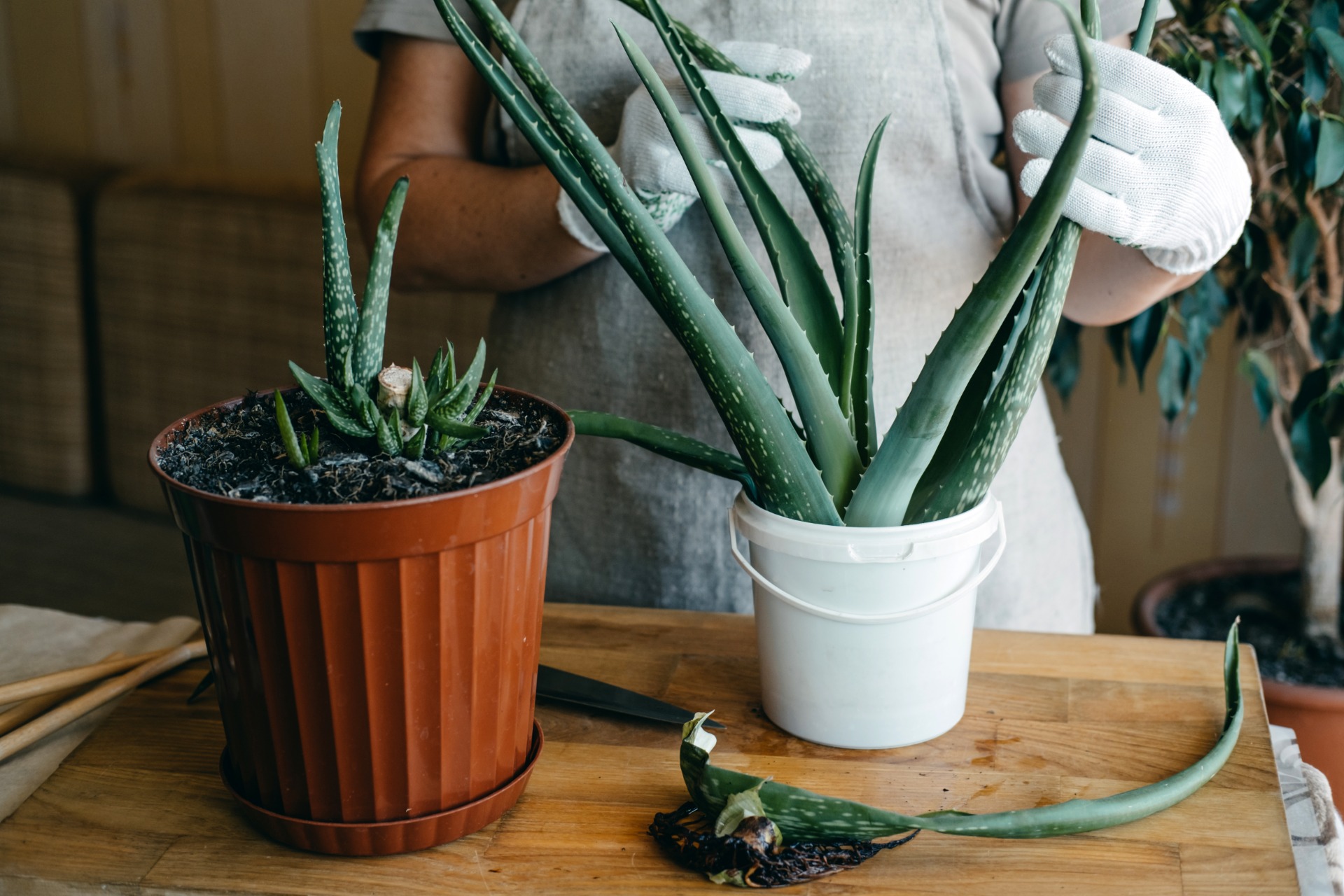
Healthy aloe plants send out little offsets at the base. Those are free plants. I wait until the pup is a few inches tall and has its own roots.
I gently remove the whole plant from its pot, brush away soil, and twist or cut the pup free. Let the cut end dry for a day or two. Then pot it up the same way I pot the mother plant. Wait a week before the first water.
I have given away more than a dozen of these. Friends always act surprised when the little plant takes off. Honestly? It is the easiest part of the whole process.
Common Problems and What I Do About Them
Leaves turning brown or red at the tips usually means too much sun or a sudden move outdoors. I pull the plant back and the new growth comes in clean.
Pale, stretched leaves mean more light is needed. Soft, collapsing leaves mean too much water. I check the roots and adjust.
Pests are rare but mealybugs show up as white cottony spots. I dab them with a cotton swab dipped in rubbing alcohol. Scale looks like little bumps. Same treatment.
If the whole plant looks sad after a move or a cold night, I give it time. Aloe is tough once the basic conditions are right.
Harvesting the Gel Without Hurting the Plant
I only take leaves when the plant is big and healthy. I cut the outer lower leaves close to the base with a clean knife. The plant seals the cut itself. New leaves keep growing from the center.
I slice the leaf open and scoop out the clear gel. It soothes sunburns and minor scrapes better than anything in my medicine cabinet. FYI, the yellow sap just under the skin can irritate some people, so I rinse the gel before using it.
Never take more than a third of the leaves at once. The plant needs its foliage to keep growing.
Frequently Asked Questions
How often should I water when learning how to grow aloe vera plant indoors?
Water only when the soil is bone dry two inches down. For most of my plants that works out to every two weeks in summer and less in winter.
Can I grow aloe vera plant outside year-round?
Only if your winters stay above 50°F. Everywhere else, treat it as a summer patio plant and bring it inside when nights cool down.
Why are the leaves on my aloe turning soft and yellow?
Almost always too much water. Stop watering, check the roots, and switch to a faster-draining mix if needed.
How long does it take for an aloe pup to become a full plant?
With good light and the right care, a solid pup reaches a useful size in about a year. I have some that flowered after three years.
Is aloe vera plant safe around pets?
No. The leaves are toxic to cats and dogs if eaten. I keep mine on high shelves or in rooms the animals cannot reach.
Final Thoughts From Someone Who Almost Gave Up
I still check the soil with my finger every time. I still resist the urge to water on a schedule. That restraint is the whole game. Get the light right, use soil that drains, and water like a desert plant. The rest takes care of itself.
My windowsills are fuller now. Friends ask for pups. The gel is always there when I need it. Start with one healthy plant and the right setup. You will figure out the rhythm faster than I did. And when that first pup appears, you will know you