

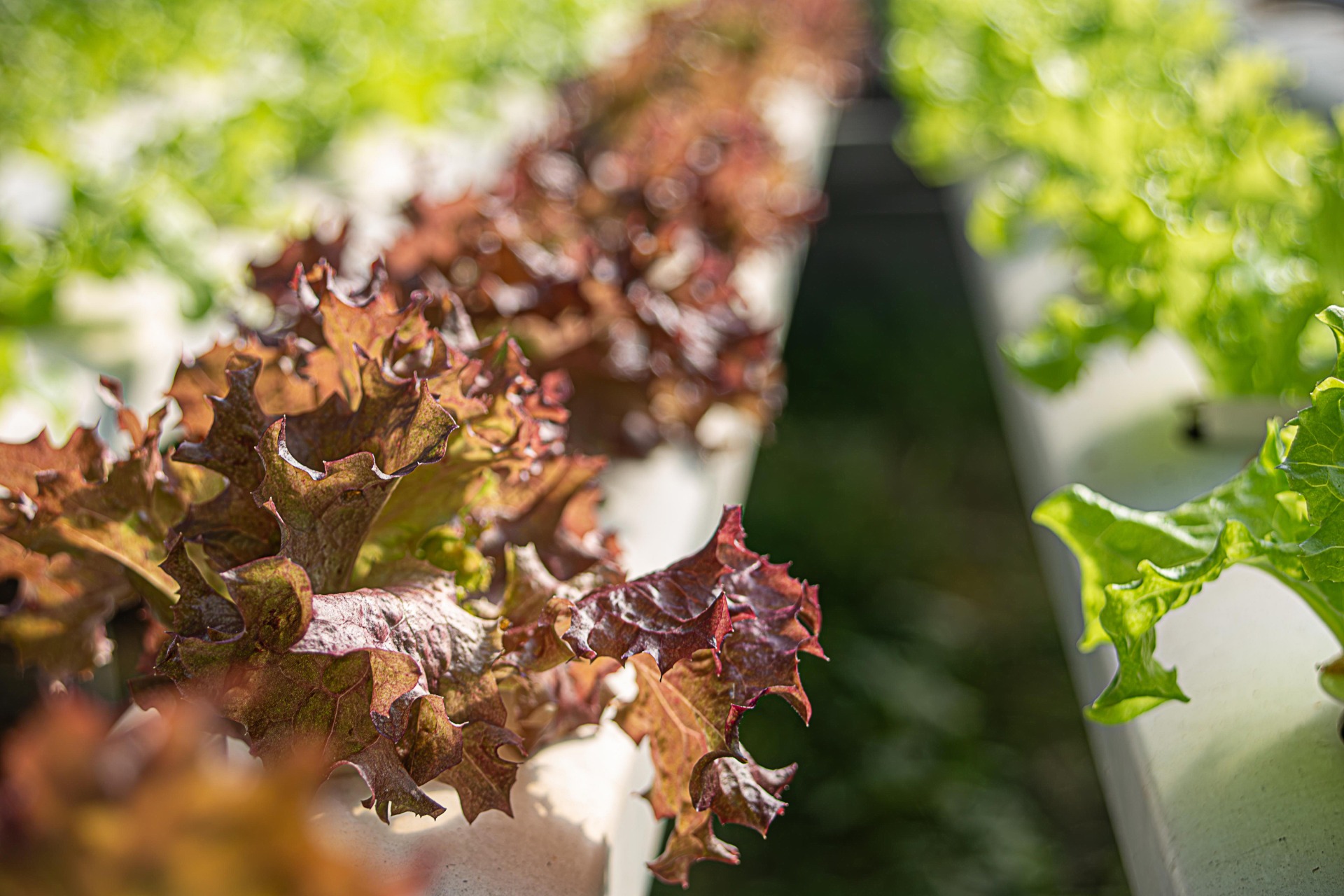
I started growing lettuce after one too many bags of sad, wilted greens from the store. The flavor never matched the price, and I got tired of tossing half of it. Learning how to grow lettuce changed my kitchen routine for good. Now I pull leaves straight from the garden or a pot on the patio, and the difference hits me every single time. Fresh, crisp, and actually worth eating. That is the whole point of this guide. I will walk you through exactly what works for me, from seed to salad bowl, so you can skip the early mistakes I made.
Lettuce ranks as one of the easiest crops for beginners. It grows fast. It tolerates cooler weather. It does not demand a huge plot of land. I grow it in raised beds, containers, and even a couple of window boxes. The key sits in matching the variety to your climate and keeping the plants happy with consistent moisture. Do that, and you get harvests that keep coming for weeks.
Picking Lettuce Varieties That Actually Work
I tried every type under the sun in my first couple of seasons. Some thrived. Others bolted the second the temperature climbed. Here is what I stick with now.
Leaf Lettuce
This one gives me the quickest payoff. Varieties like Black Seeded Simpson or oakleaf types fill a salad bowl in about 30 to 40 days. I harvest outer leaves while the center keeps producing. Cut-and-come-again style. Perfect for small spaces.
Butterhead
Bibb and Buttercrunch sit at the top of my list for flavor. Soft leaves. Mild taste. They form loose heads that feel fancy without the fuss of true head lettuce. I plant these when I want something a little more special for dinner.
Romaine
I grow romaine when I need crunch that holds up in a Caesar-style salad. It takes a bit longer, around 60 to 75 days, but the upright growth habit makes it easy to space. Jericho handles heat better than most, so I reach for that one in warmer stretches.
Crisphead
Iceberg types need more space and cooler conditions. I rarely bother with them anymore. They take too long and bolt faster in my zone. Leaf and butterhead deliver better returns for the effort.
Honestly? Start with two or three leaf varieties and one butterhead. You will learn faster that way. Mix colors too. Red-tinged leaves look great and often taste a touch milder.
When and Where I Plant for Steady Harvests
Timing makes or breaks the crop. Lettuce loves cool weather. Ideal daytime temps sit between 60 and 65 degrees Fahrenheit. Soil temperatures around 45 to 75 degrees work for germination.
I sow the first batch as soon as the soil can be worked in spring. That usually means two to four weeks before the last frost date in my area. Then I succession plant every two weeks. A short row each time. This keeps the harvest rolling instead of one giant flush that goes bitter overnight.
Fall plantings often taste sweeter. Cooler nights sweeten the leaves. I count back six to eight weeks from the first expected frost and sow then. In summer heat I shift to partial shade or use a light shade cloth. Full sun works in spring and fall. Afternoon shade saves the plants when temperatures push past 75 degrees.
Containers change the game for me. Shallow roots mean a pot only four to six inches deep works fine. I keep several on the patio so I can move them out of harsh sun or into a protected spot during a cold snap. FYI, fabric grow bags dry out faster than plastic, so I check them more often.
Preparing the Soil the Way Lettuce Prefers
Lettuce wants loose, fertile soil that drains well yet holds moisture. I amend every bed with a couple of inches of compost before planting. That simple step improves both texture and nutrient levels. Target a pH between 6.0 and 7.0. Most garden soils fall close enough after a season or two of organic matter.
In containers I use a quality potting mix labeled for vegetables or containers. Never garden soil alone. It compacts and drowns the roots. I mix in a handful of compost for extra fertility. Shallow roots mean the top few inches matter most. Keep that zone rich and evenly moist.
I skip heavy synthetic fertilizers. A light side-dress of compost or a diluted fish emulsion once the plants have a few true leaves gives them what they need. Overfeeding pushes soft growth that invites pests.
How to Grow Lettuce from Seed Without the Usual Headaches
Direct sowing works best for most of my plantings. Lettuce seeds need light to germinate, so I barely cover them. An eighth of an inch of soil or a dusting of vermiculite does the job.
Here is my exact process:
- Rake the bed smooth and remove clumps or stones.
- Create shallow drills about half an inch deep and twelve inches apart.
- Sprinkle seeds thinly along the row. A pinch every few inches works.
- Cover lightly and water gently so the seeds settle without washing away.
- Keep the surface moist until seedlings appear, usually in seven to ten days.
For an earlier start I sow indoors four weeks before the last frost. I use modules or small pots filled with seed compost. No heat mat. Lettuce prefers cooler soil. Once the seedlings show two or three true leaves I harden them off for a week and transplant. Spacing depends on the type. Leaf lettuce gets four to eight inches. Romaine and butterhead need eight to twelve. Crisphead wants more room, up to sixteen inches.
Thinning feels wasteful the first time. I do it anyway. Crowded plants compete and stay small. I eat the thinnings as baby greens. Nothing goes to waste.
Keeping Plants Happy: Water, Light, and Everyday Care
Consistent moisture ranks as the single biggest factor in my success. Dry soil triggers bolting and bitterness. I check the top inch of soil every couple of days. If it feels dry I water. Drip lines or a soaker hose keep the leaves dry and reduce disease risk. Morning watering gives foliage time to dry before night.
Mulch helps a lot. A thin layer of shredded leaves or straw holds moisture, cools the soil, and keeps mud off the leaves. I pull it back a bit around the crowns so they stay dry.
Light needs stay flexible. Four to six hours of sun produces decent leaves. More sun speeds growth in cool weather. In heat I shift pots or hang shade cloth rated around 30 percent. That simple move cuts bolting dramatically.
Pests show up. Slugs love young lettuce. I patrol at dusk and hand-pick them. Beer traps or copper tape around containers work when numbers climb. Aphids appear sometimes. A strong spray of water knocks most off. I avoid sprays unless the infestation gets serious.
Harvesting for Maximum Flavor and Ongoing Production
I harvest in the morning when leaves hold the most water. Flavor peaks then. For leaf types I snip outer leaves with scissors, leaving the center intact. The plant keeps producing for weeks. Whole heads get cut at the base once they reach full size.
Baby greens come even faster. I sow densely and cut everything at two to three inches tall. A second flush often follows if I leave the crowns.
Storage stays simple. I rinse the leaves, spin them dry, and store them in a container with a paper towel. They last a week or more in the fridge. Homegrown leaves taste better than store versions almost every time. The texture alone justifies the effort.
Dealing with Bolting and Other Common Setbacks
Bolting happens when plants switch from leaf production to flowering. Long days and heat push the process. Leaves turn bitter. I pull those plants and compost them. Then I replant in a shadier spot with a heat-tolerant variety.
Slow-bolting types exist. Oakleaf and certain romaines hold longer. I plant those for summer succession. Shade and steady water buy extra time too.
Poor germination usually traces back to temperature or depth. Seeds go dormant above 80 degrees. I chill them in the fridge for a few days or sow in the evening and keep the bed cool with water and shade. Shallow planting prevents the light issue.
Yellow leaves often mean too much water or nutrient shortage. I ease up on the hose and add a light compost tea. That usually corrects it within a week.
Growing Lettuce in Containers When Space Runs Short
I keep at least half my lettuce in pots now. A twelve-inch wide container holds several leaf plants comfortably. Heading types need a bit more room. I use potting mix, plant the same way as in the ground, and water more often because containers dry faster.
Window boxes work for baby greens. Hanging baskets give me a vertical option on the balcony. Self-watering pots cut the daily checks when life gets busy. The shallow root system makes lettuce one of the best crops for limited space. I can grow a solid salad supply on a sunny fire escape if needed.
IMO the biggest advantage sits in mobility. I chase the best light and dodge the worst heat by simply moving the pots.
Frequently Asked Questions
How often should I water lettuce plants?
I check the soil every two or three days and water whenever the top inch feels dry. Consistency matters more than volume. Dry spells trigger bitterness faster than almost anything else.
Can I grow lettuce indoors year-round?
Yes, with a bright window or grow light. I keep a couple of pots going through winter for continuous baby greens. Just watch for lower light levels that stretch the plants.
What is the fastest way to get a harvest when learning how to grow lettuce?
Sow leaf varieties densely for baby greens. You can cut them in two to three weeks. That quick win builds confidence faster than waiting for full heads.
Why do my lettuce leaves taste bitter?
Heat and dry soil usually cause it. Bolting follows soon after. Shade the plants, water more steadily, and switch to heat-tolerant types for the next round.
Do I need fertilizer for good lettuce growth?
Compost at planting time covers most needs. I give a light liquid feed once or twice during the season if growth slows. Heavy feeding creates soft leaves that pests love.
I still get excited every time I walk out and snip a handful of leaves for lunch. The process stays simple once you dial in the timing and moisture. Start small this season. One bed or a few pots will teach you more than any article. Plant a short row, keep the soil evenly moist, and harvest early and often. The salads will taste better than anything you buy. And you will wonder why you waited so long to try.