

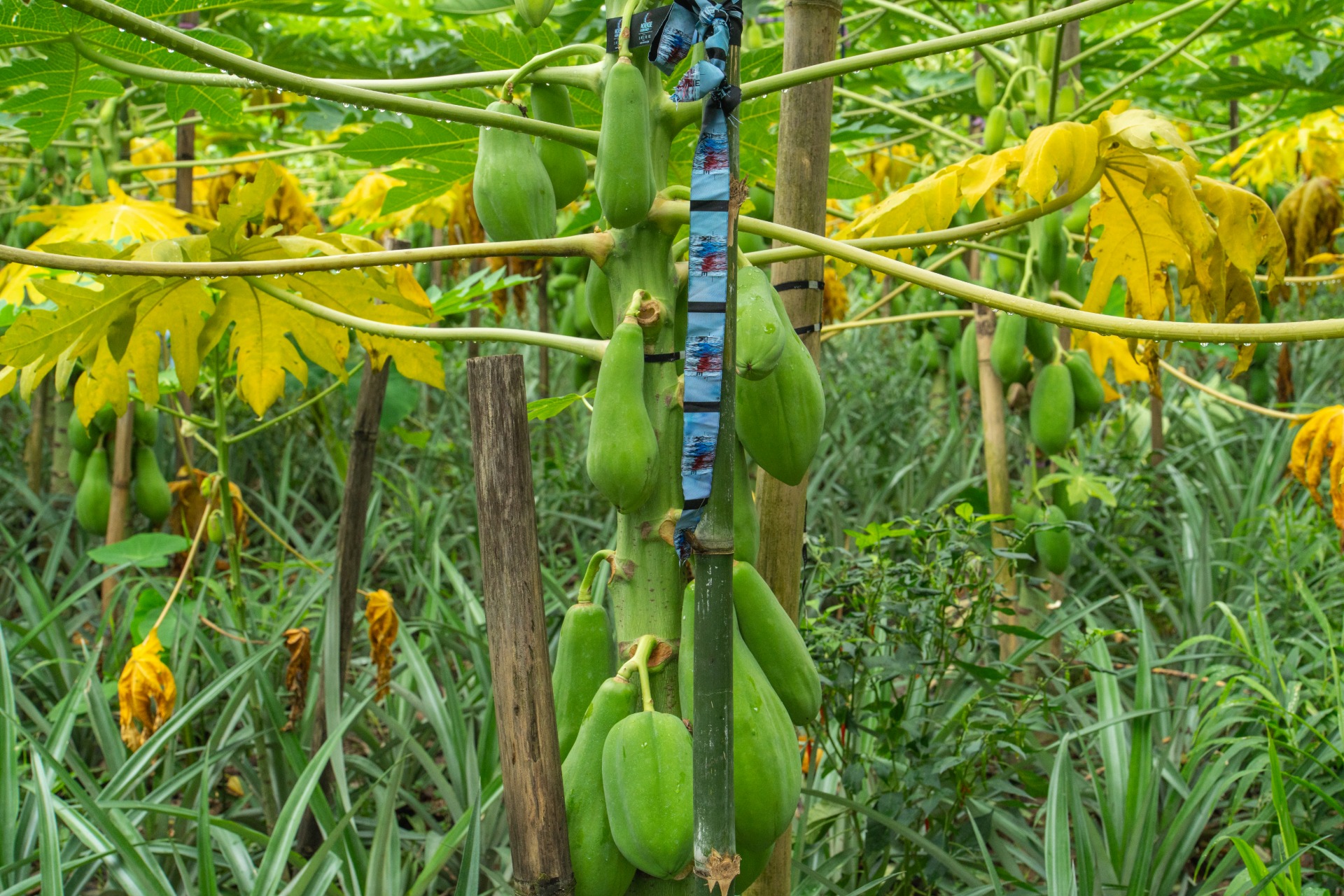
I figured out how to grow papaya from seeds the hard way. After a few failed attempts with store fruit and cold windowsills, I finally got a plant that gave me sweet fruit in under a year. You can do the same. This method is what I stick to every time I start a new batch.
Papaya seeds are free if you buy the fruit. They sprout fast when you treat them right. The whole process feels almost too simple once you know the tricks. I still get a little thrill watching those first green shoots push up.
Why I Keep Growing Papaya from Seeds
I started because I hated throwing away the seeds from a good papaya. One summer I scooped them out on a whim. Most of them never came up. The ones that did stayed weak and leggy. Honestly? I almost gave up.
Then I paid attention to temperature and the slimy coating. Everything changed. Now I plant a few every spring. The plants grow like weeds in the right heat. Fruit shows up faster than most tropical things I try.
You get plants that cost nothing. You control the variety by picking good fruit. And the wait is short. Seed to first fruit can happen in six to twelve months if conditions stay warm.
Choosing the Right Seeds
I always start with a fully ripe papaya. The skin should be mostly yellow or orange and give a little when I press it. Green or hard fruit gives immature seeds that rarely sprout.
Cut the fruit open. Scoop the seeds into a bowl. Look for the black ones about the size of a small pea. Skip anything white, green, or tiny. Those are duds.
Some people swear by seed color or floating tests to guess male or female plants. I tried that once. It did not work for me. Sex shows up later when the flowers appear. Plant extra seeds and thin later. That is the reliable way.
If you buy seeds instead, go for fresh packets from a good source. Old seeds lose power fast. I prefer the free ones from fruit I already plan to eat.
Preparing the Seeds So They Actually Sprout
This step makes the biggest difference. Fresh seeds come wrapped in a clear jelly coat. That coat blocks germination on purpose. Leave it on and many seeds just sit there.
I put the seeds in a jar of room-temperature water overnight. Next morning I pour them into a fine mesh strainer. I rub them gently against the mesh under running water. The jelly slides right off. Rinse until the water runs clear.
If I plan to plant the same day, I skip drying. If I need to wait, I spread them on a paper towel in a warm spot out of direct sun for a day or two. They should feel dry to the touch but not brittle.
FYI, dried seeds store okay for several months in a paper envelope in a cool dark drawer. Fresh ones still give me the best rates though.
Planting the Seeds the Way That Works for Me
I use small pots or seed trays filled with light seed-starting mix. Garden soil packs too tight and holds too much water. The mix needs to drain fast.
I plant two or three seeds in each cell about a quarter inch deep. Press the mix gently over them. Water with a spray bottle so nothing washes away. Cover the tray loosely with clear plastic or a humidity dome.
Warmth is everything here. Soil between 75 and 85 degrees Fahrenheit is the sweet spot. I set the trays on a heat mat or near a warm window. Cooler than 70 and germination slows or stops.
Keep the surface moist but never soggy. In my kitchen this usually means a light mist every day or two. Seeds from fresh fruit often poke up in seven to fourteen days. Dried ones can take three weeks.
What the Seedlings Need Right Away
Once the green shoots appear, I pull the plastic cover. They need bright light right away or they stretch and fall over. A sunny south window works. In low light I add a simple grow light for twelve to fourteen hours.
I thin early. When the seedlings have one or two sets of true leaves and stand a couple inches tall, I snip the weaker ones at soil level. Leave the strongest one per pot. Crowding stunts them.
Papaya roots hate disturbance. I try not to move them more than necessary. When they reach four to six inches, I pot them up carefully into slightly larger containers. Handle the root ball like it is fragile. It is.
Moving Them Outside or Into Bigger Homes
In warm climates I transplant straight into the ground once nights stay above 60 degrees. Choose a spot with at least six hours of direct sun. Dig a hole and mix in compost so the soil drains well but stays fertile. Plant at the same depth the seedling sat in its pot.
Space plants eight to ten feet apart if you plant more than one. They grow fast and need room for those big leaves.
In cooler areas or for patio growing, I move them into large pots. Fifteen to twenty gallons is my minimum. Drainage holes are non-negotiable. Papaya roots rot if they sit in water.
I stake young plants early. The stems are soft and hollow. Wind knocks them over easily before the roots catch up.
Everyday Care That Keeps Them Happy
Sun is the main fuel. Six to eight hours of direct light produces the best growth and later the best fruit. Less light means leggy plants and fewer flowers.
Water regularly but let the top inch of soil dry between drinks. Overwatering kills more papayas than underwatering in my experience. Mulch helps keep moisture even outdoors.
These plants are heavy feeders. I give a balanced organic fertilizer every two to four weeks during active growth. Once flowers start, I switch to something higher in potassium to support fruit.
Watch for spider mites and powdery mildew, especially indoors. A strong spray of water or neem oil usually handles early problems.
Dealing with Male, Female, and Hermaphrodite Plants
Most papaya plants grown from seed turn out male, female, or hermaphrodite. You cannot tell until they flower, usually around four to six months.
Male flowers hang in long clusters on thin stalks. They make pollen but no fruit. Female flowers sit close to the trunk with a fat base. Hermaphrodites have both parts and often fruit on their own.
I plant five or more seedlings and keep the females and hermaphrodites. One male nearby is enough for pollination if I have pure females. Many modern varieties lean hermaphrodite, which makes life easier.
IMO, thinning the males is the only real work once the plants start blooming. The rest is just waiting for the fruit to swell.
From Flower to Fruit
Flowers can appear as early as five or six months after planting under good conditions. Fruit follows soon after. Green fruit can be picked for cooking. For sweet eating fruit I wait until the skin shows yellow or orange streaks and the fruit gives slightly.
One healthy plant can produce dozens of fruit over a season. The quality drops after a couple of years, so I start new seeds regularly and phase out the old plants.
Common Mistakes I Made So You Do Not Have To
I planted too deep once. The seeds never broke the surface. Stick to a quarter inch.
I kept the soil cold. Nothing happened for a month. Heat matters more than almost anything else at the start.
I transplanted too many times. The roots sulked. Minimize moves.
I overwatered in a big pot. Roots turned to mush. Better to underwater a little than drown them.
I planted only two seeds and both came up male. Now I always start extra.
Frequently Asked Questions
How long does it take to grow papaya from seeds to fruit?
Under warm conditions I usually see first fruit in six to twelve months. Cooler spots or less sun stretch that timeline.
Can I grow papaya from seeds indoors?
Yes for the early stages and even to fruit size if you have strong light and warmth. Full fruit production is better outdoors or in a greenhouse.
Do I need both male and female plants?
Not always. Many plants are hermaphrodite and fruit alone. Still, planting several seedlings raises your odds of getting productive ones.
What soil is best when I grow papaya from seeds?
Light, well-draining mix for starting. Later they like fertile soil that does not stay wet. Compost mixed in helps a lot.
Why did my papaya seeds never sprout?
Usually the temperature was too low or the jelly coat stayed on. Warmth and thorough cleaning fix most failures for me.
Final Thoughts from My Garden
Growing papaya from seeds turned into one of my favorite easy wins. The plants look dramatic with their big leaves. The fruit tastes better than anything I buy. And the whole thing starts with something I was going to throw away.
Grab a ripe papaya this week. Scoop the seeds. Follow the steps. Keep them warm and moist at the start. In a few months you will have a plant that makes people stop and ask questions. That first sweet fruit you pick yourself feels even better.