

Hey there, fellow garden-lover! If you’ve ever gazed at a bold, tropical flower and thought, “Wow—I want that in my Florida yard,” you’re in exactly the right place. I’m talking about the glorious world of hibiscus—those flamboyant blooms that look like tropical cocktails in plant form. And yes, I’ve had my share of wins and lessons planted in the Florida sun, so I’m sharing honest, experience-driven help and tips.
Now, I know preferences vary (and believe me, I’ve gone through the gamut). Some of you want striking color—reds, pinks, doubles, flamboyants—while others care more about fragrance, maybe even using hibiscus for tea or edible blooms. Some want maximum performance (blooms all season) and others are working with a tighter budget, smaller space, or shady corner of the yard. I’ve been there.
I started growing hibiscus in South Florida because I moved into a house with full sun, sandy soil, and “let’s go tropical” written on the landscaping sign. Over the years I’ve tried different species and cultivars, had them suffer frost, fight pests, and eventually settle into a reliable routine. That’s why I wrote this: to pull together practical guidance, what really works in Florida’s climate, and which hibiscus to pick depending on your region, budget and style.
So if you’re ready to turn your garden into a lush hibiscus-haven, I promise: by the end of this article you’ll have a clear comparison, tips you can trust, and simple care advice you can implement. Let’s dive in.
Quick Comparison Table: Top Hibiscus Options for Florida Gardens
Here’s a handy table summarizing the major types of hibiscus I use (and recommend) in Florida. It’ll help you pick what fits your region, space, and style.
| Name (Common + Scientific) | Best Region or Use in Florida | Approx. Height / Performance | Season / Time of Blooms | Fragrance / Feature Highlights |
|---|---|---|---|---|
| Tropical Hibiscus – Hibiscus rosa‑sinensis | South Florida (Zones 10-11), patios, full sun beds | 4-10 ft (or more) in warm zones | Nearly year-round in warm regions; spring-fall in central Florida. Gardening Solutions+1 | Huge single or double blooms, vibrant colour, evergreen in warm zones. |
| Native Hibiscus – Hibiscus coccineus (“Scarlet Rosemallow”) | Moist or wet areas, native-plant gardens | 3-8 ft tall | Mid- to late summer bloom (May-Oct) Florida Wildflower Foundation+1 | Deep red flowers, excellent for wildlife and native landscapes. |
| Hardy Hibiscus – Hibiscus moscheutos (“Swamp Rosemallow”) | Central & North Florida (Zones 8-9) or moist areas | 3-7 ft tall | Mid-summer to early fall bloom Gardenia+1 | Large “dinner plate” blooms, great for impact. |
Now let’s unpack each of these in more detail—what I’ve learned growing them, the joys, the frustrations, and how you care for them.
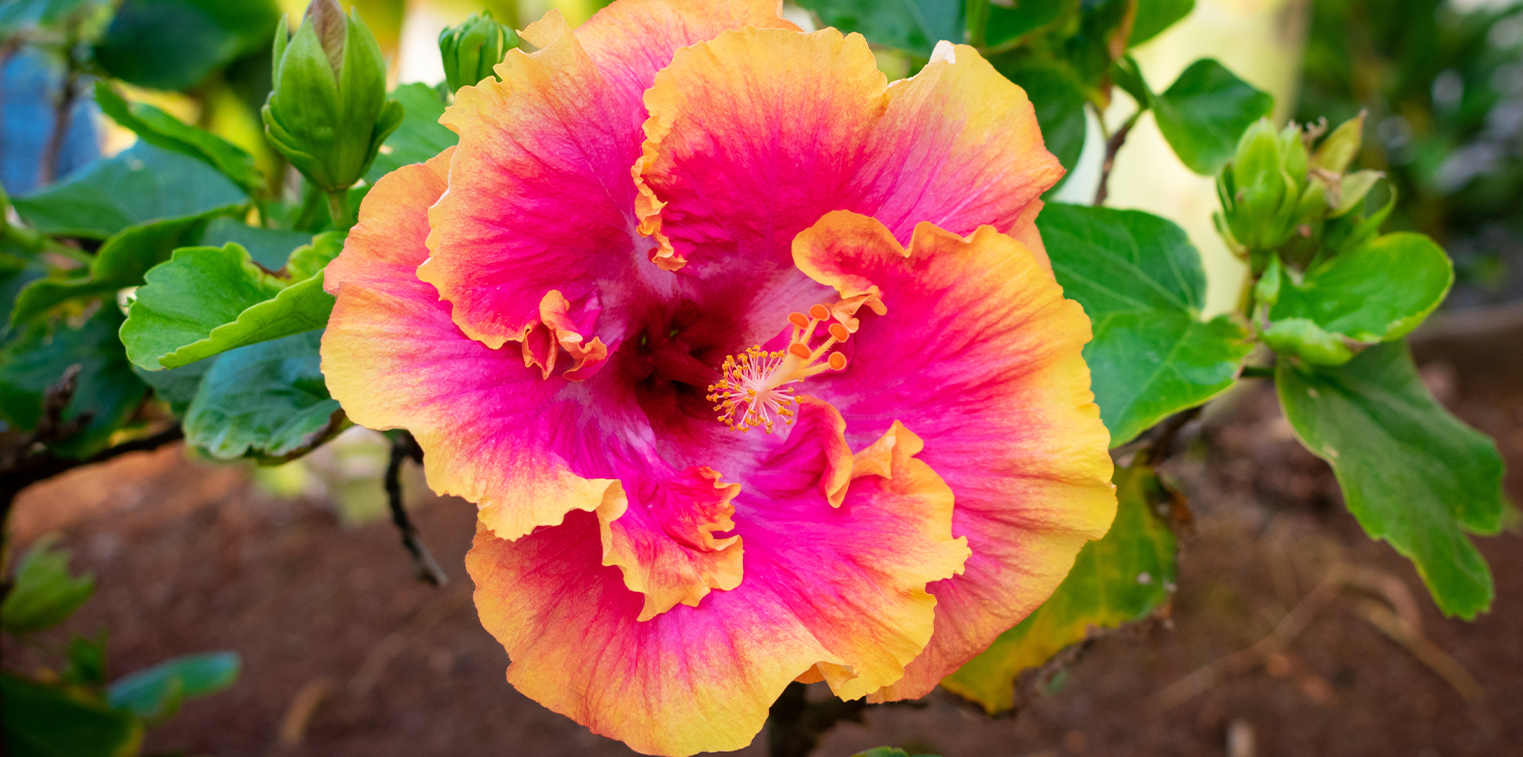
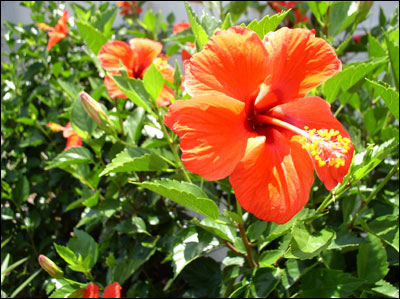
1. Tropical Hibiscus (Hibiscus rosa-sinensis)

6
My story: When I first moved to my sunny Florida yard, I planted a bright red tropical hibiscus near the front porch. I chose it because it promised constant color and that island-paradise feel. At first it flourished—but then I had a cold snap and lost half the leaves. I learned the hard way that even in Florida the subtleties matter.
What works:
- These plants love full sun (at least 6 hours) to bloom well. Pinder’s Nursery+1
- In South Florida (USDA Zones 10‐11) they can stay green year-round. In Central Florida you might see some die-back or slowdown. Gardening Solutions
- Soil: well-draining, slightly acidic to neutral. My own yard is sandy; I mixed in compost and peat at planting.
- Watering: Keep it moderately moist, but don’t let it sit in soggy clay. Too much wet and you risk root issues. (One of my earlier plants did poorly when I overwatered after heavy rain.)
- Fertilizing: I feed mine every 4–6 weeks during the growing season with a bloom-boost fertilizer.
- Pruning: I lightly prune after major bloom flushes to keep shape and encourage branching.
Tip from experience: Make sure the plant is not right next to a cold-wind path or wall, especially in the north part of Florida. These tropical types can drop leaves if exposed to chill or wind. If you’re in Central or North Florida and want this type, consider planting in a container you can move or providing frost protection.
Why pick it: If your heart says “vivid colour, big show, tropical feel,” this is it. For hedges, patio containers, statement shrubs. Just be ready for regular bloom and some maintenance.
Cross-reference note: If you’re curious about treatment for pests on tropical hibiscus, check out my other article on caring for hibiscus trees and shrubs.
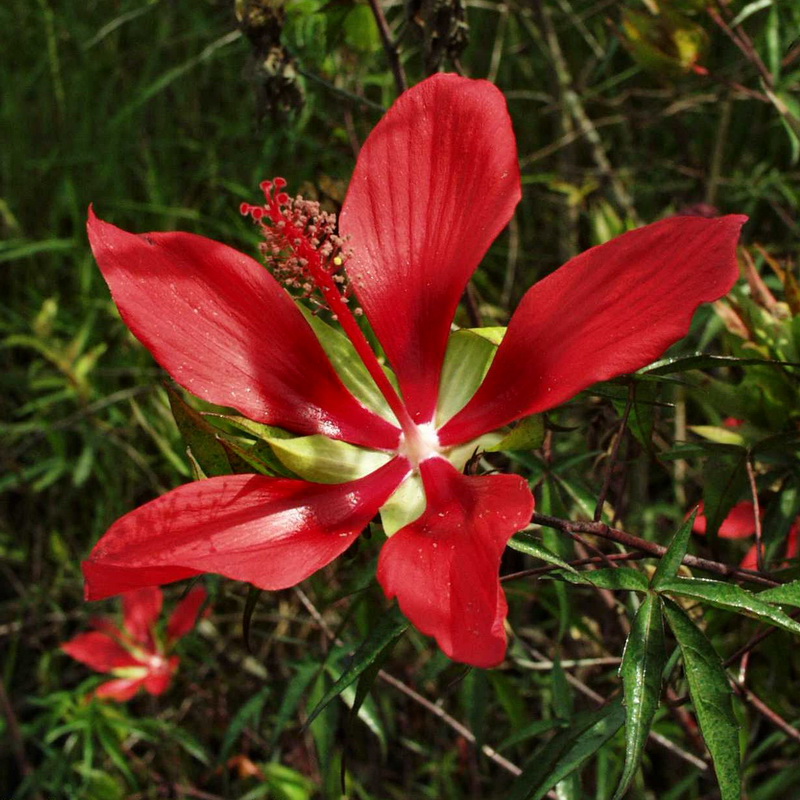
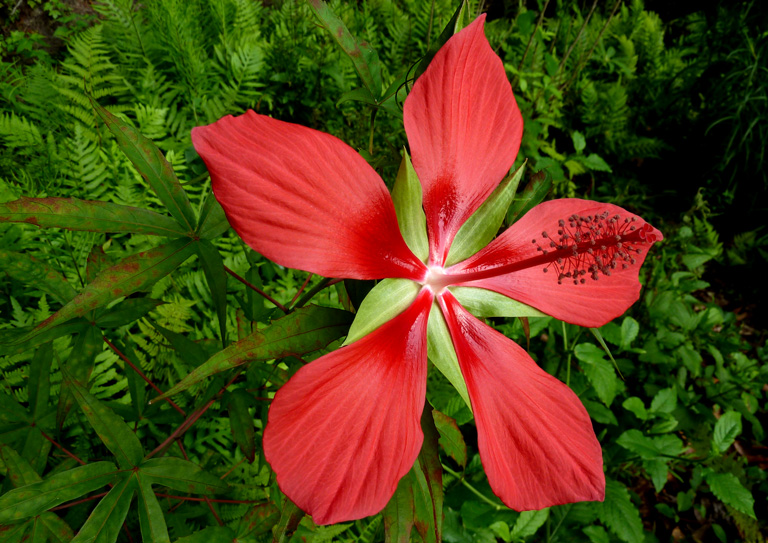
2. Native Hibiscus – Hibiscus coccineus (“Scarlet Rosemallow”)

5
My story: One of the best choices I made was to plant this native hibiscus near a rain-garden edge in my yard. I liked the idea of something adapted to Florida conditions, attracting hummingbirds, and requiring less fuss. And let me tell you: it paid off.
What works:
- It tolerates full sun to partial shade. Florida Wildflower Foundation
- Prefers moist or even wet soils (though it tolerates somewhat drier soils once established). Florida Wildflower Foundation
- Height: In my garden it’s about 5 feet tall now; the literature says 4–8 feet. Gardening Solutions
- Blooms: Big scarlet (red) blooms, each flower may last only a day, but the plant keeps producing many. Good show in summer. Florida Wildflower Foundation
- It’s native here—meaning fewer surprises, lower maintenance (honestly).
Tip from experience: I found that picking a spot where water naturally accumulates (but not stays stagnant) works. I also mulch it lightly to help roots retain moisture because my sandy soil drains too fast. Dead leaves or stems? I remove them in early spring to keep the plant tidy.
Why pick it: If your yard can handle a wetter spot, want native-plant credentials, pollinator activity (butterflies/hummingbirds), and less fuss—this is your winner. Also great if you favour deep reds and dramatic petals.
Cross-reference note: If you’d like more on native plant selections in Florida and how to match plants to wet vs. dry soils, I discuss that in another guide linked here.
3. Hardy Hibiscus – Hibiscus moscheutos (“Swamp Rosemallow”)

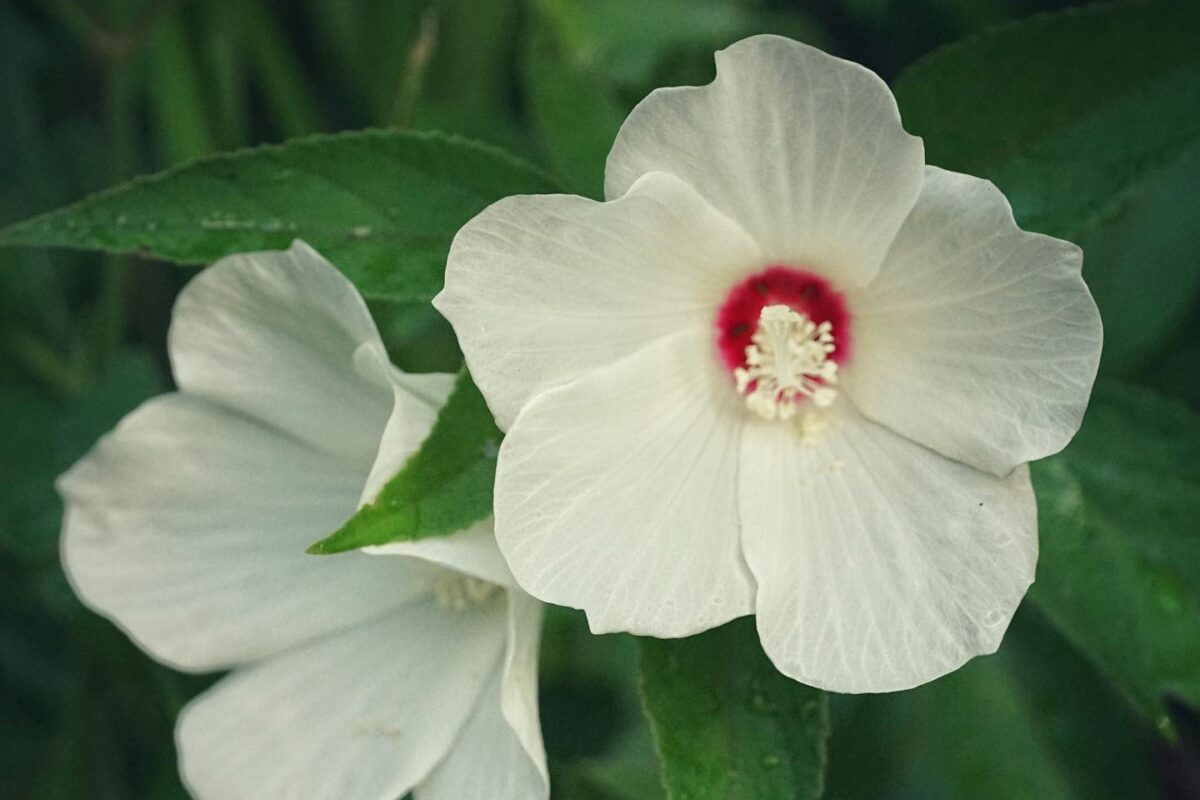

6
My story: I used to think “hardy” meant easy, but when I planted one in my yard in North Central Florida I discovered the nuance: yes it comes back each year, but you still have to treat it right. One year I planted it too near a wind-exposed area and the blooms got battered. Lesson learned.
What works:
- Best suited for cooler parts of Florida (Zones 8-9) or those wetter sites. nwdistrict.ifas.ufl.edu+1
- Big stature: 3–7 ft tall, lots of drama. Gardenia
- Blooms mid-summer to early fall. Using it as a backdrop of colour.
- Likes moist to wet soils. If your site is regularly dry, it will struggle. missouribotanicalgarden.org
- Good for naturalistic landscaping, or if you want big impact without the tropical plant look.
Tip from experience: I found staking helps in wind-prone spots when the blooms are large and heavy. Also, I cut it back in late winter so new growth is strong for spring. I steer clear of heavy mulch the first year because the soil around it can get too “fluffy”—I prefer compost lightly spread after the first winter.
Why pick it: This is the choice for bold statement blooms, especially if you’re in North or Central Florida—or you have a wetter site (like near a pond or low area). It’s less “tropical hedge” and more “wow-look-at-that spectacular flower.”
Cross-reference note: For propagation, I refer back to my article on cuttings and division of hardy perennial shrubs—lots of overlap.
Helpful Notes & Expert Advice
☀️ Climate & Regional Considerations
Believe me, Florida is not one uniform zone—even though we all love our sunshine. South Florida (Zones 10–11) gives you tropical conditions where even tropical hibiscus thrive year-round. In Central and North Florida (Zones 8–9) you’ll need to pick more carefully, or treat some types as annuals / container plants.
For example, the UF/IFAS fact sheet notes that tropical hibiscus are “sensitive to cold weather” and may drop leaves in cooler spells. Gardening Solutions So if you’re north of the “Big Bend” line, give yourself a little buffer.
💧 Soil & Drainage
I can’t stress enough: good drainage matters. One of my biggest mistakes was planting into raw sandy soil with no amendment—it dried out too quickly in our dry spells and the plant stared looking droopy. Sites where water sits too long? Root problems.
For natives like H. coccineus, moist soils are actually a plus. Florida Wildflower Foundation For tropical types, you’ll still want good drainage so roots don’t sit in constant water.
🔧 Fertilization & Maintenance
Some notes you’ll find helpful:
- Use a fertilizer balanced for bloom (some growers go with higher potassium) to encourage big flowers. Sanjuan Family Nursery
- Water deeply at root level rather than light frequent watering. Deep watering builds stronger roots (something I learned when my plant started wilting in midday heat).
- Prune or deadhead spent flowers if you like tidier look—though hibiscus often drop spent blooms naturally.
- Be on the lookout for pests: aphids, whiteflies, mealybugs show up on hibiscus in Florida. Gardening Solutions+1
🌬️ Seasonal / Caution Notes
- Cold snaps: If you’re in Central or North Florida, a freeze or unexpected cold front can scorch tropical hibiscus leaves. I cover mine or bring container plants inside when predicted.
- Wind & storms: Big blooms are pretty—and heavy. They can flop or tear in wind. Choose sheltered spots or stake as needed.
- Wet feet: Especially after heavy rains or hurricanes, root zones can saturate. If soil stays soggy, roots struggle. My suggestion: raise planting area slightly, add organic compost, ensure drainage.
- Sunburn: In Florida’s full sun, blooms can fade or leaves scorch. Some afternoon shade can help in extreme heat regions—especially for more delicate varieties.
- Use caution for surfaces: One little detail I found in a “South Florida Plant Guide” is that dropped hibiscus flowers can create an unexpectedly slippery surface on walkways if you plant along a path. south-florida-plant-guide.com
My Final Thoughts
Thanks for spending time with me and my hibiscus journey! I’ve grown more than a few reds, pinks, doubles, and have learned that Florida’s climate deserves respect—but also offers amazing opportunity for showy, tropical gardens. Whether you pick a vibrant tropical hibiscus that will bloom (almost) year-round, a stunning native that supports pollinators, or a hardy rosemallow that delivers dramatic flowers in mid-summer—I’m confident you’ll find a fit.
If you’ve got space, sunshine, and the right soil (or are willing to amend it a bit), go ahead and jump in. Trust me, the reward of seeing those bold blooms—under that Florida blue sky—is worth the effort.
If you’d like, I’d be glad to help you pick exact cultivars, deal with pests or fertilization schedules, or show you container vs. ground planting for hibiscus in Florida. Just say the word. And if you like this article, feel free to subscribe or follow along—I’ll post seasonal updates, new plant trials, and real-time advice.
Happy gardening, my friend—and may your hibiscus bloom big, bold and beautiful.