

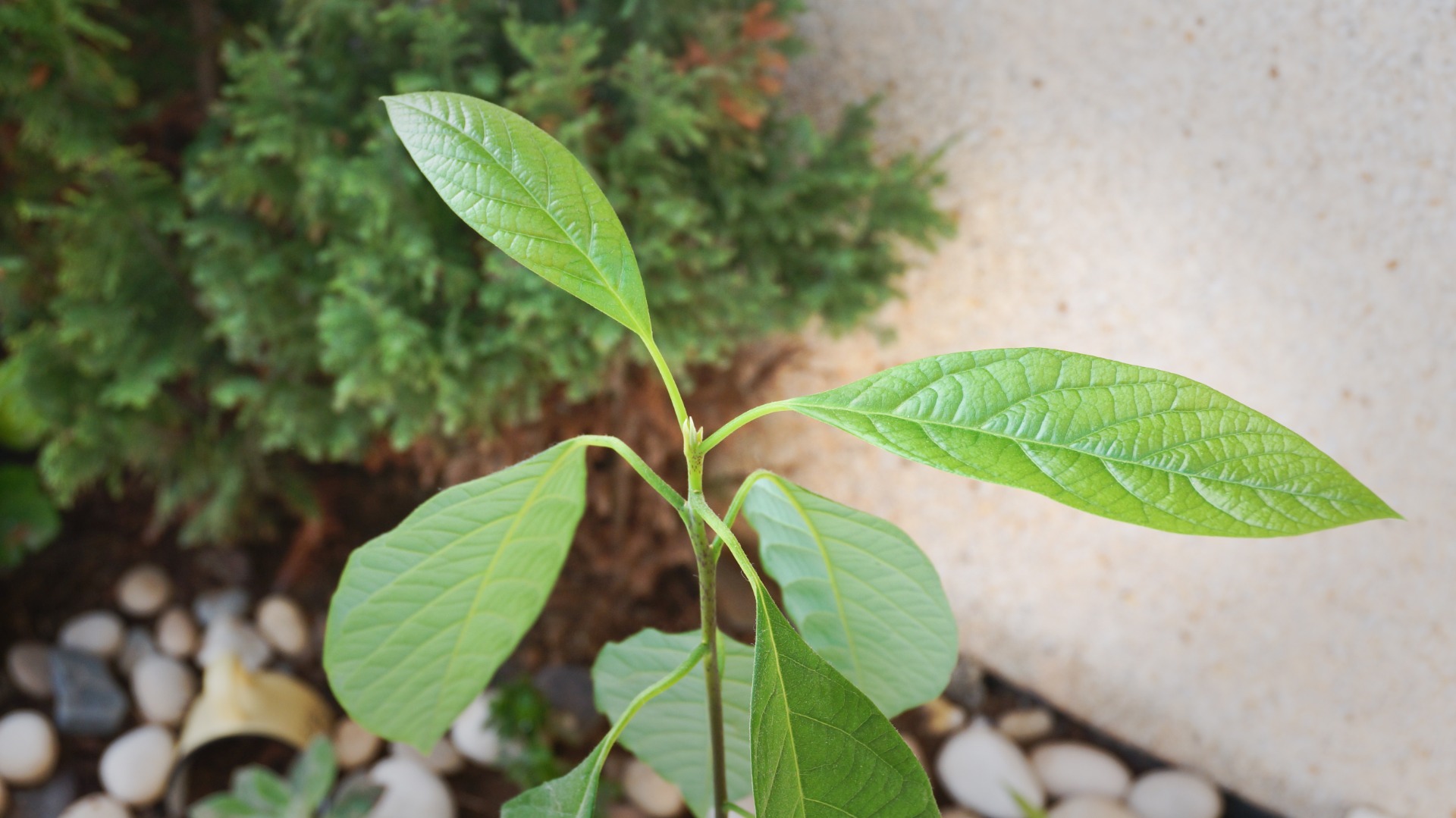
I spent years buying dried curry leaves that tasted like cardboard. Then I decided to figure out how to grow curry leaves plant myself. Honestly? It took a few dead plants before I got it right. I lost two early on to soggy soil and one more to a cold snap I ignored. Now I harvest handfuls of glossy, fragrant leaves almost every week from the same pot on my patio. You can do this too. The process is straightforward once you stop overthinking it.
I grow mine in a container because my winters dip too low for outdoor survival. That setup works whether you have a sunny balcony or a bright kitchen window. The plant is a tropical native called Murraya koenigii. It wants warmth, light, and drainage more than anything fancy. Get those three right and the rest falls into place.
Choosing Your Starting Point: Seed, Cutting, or Nursery Plant
I tried all three routes. Seeds teach patience. Cuttings feel faster. Nursery plants skip the waiting entirely.
Growing From Seed
Fresh seeds matter most. I grab ripe black berries from a friend’s tree, clean off the pulp, and soak them overnight. Plant each seed half an inch deep in a small pot filled with a mix of potting soil and compost. Keep the surface just moist. Warmth around 75 degrees helps. Germination usually takes two to three weeks. The first true leaves look delicate. I treat them gently for the first few months.
Starting From a Cutting
This is my preferred method now. I snip a four-inch piece of new growth in spring. I remove the lower leaves and stick the stem into a 50-50 mix of perlite and coir. A plastic bag over the pot holds humidity. Roots form in three to four weeks. No rooting hormone needed in my experience. The young plant already knows how to be a curry leaf plant.
Buying a Small Plant
If you want leaves sooner, buy a healthy specimen from an Indian grocery or specialty nursery. Look for green foliage without sticky residue or yellow tips. I move mine into a slightly larger pot within a week of bringing it home. That gives the roots room right away.
Soil and Pot Setup That Actually Works
Curry leaves hate wet feet. I learned this the hard way when my first plant turned yellow and collapsed. The fix is simple: drainage first, nutrients second.
I use a pot at least twelve inches wide with real drainage holes. Broken terracotta pieces or gravel go in the bottom. The mix is roughly equal parts potting soil, compost, and perlite or coarse sand. That combination holds just enough moisture while letting excess water escape. Well-draining soil prevents root rot, the number one killer of these plants.
I never use garden dirt alone. It packs too tight. If your mix feels heavy, add more perlite until it feels light and crumbly in your hand.
Sunlight and Temperature: The Non-Negotiables
These plants are sun hogs. I give mine six to eight hours of direct light daily. Outside that means a south-facing spot. Inside I park it in the brightest window I own. On short winter days I add a small grow light for a few hours.
Temperature sits between 65 and 85 degrees for happy growth. Below 50 degrees the plant slows down hard. Below freezing it can die. I bring my pot indoors when nights drop under 50. A heat mat set to 65 degrees under the pot helps during the darkest months. The plant may drop some leaves in winter. New reddish growth appears again in spring. That is normal.
Watering Without Drowning the Roots
I check the soil with my finger every couple of days. When the top inch or two feels dry, I water thoroughly until it runs out the bottom. Then I wait again. Overwatering kills more curry leaf plants than anything else.
In summer my plant drinks every four or five days. In winter it can go ten to fourteen days. I never let the pot sit in a saucer of water. Empty that tray. If the leaves start yellowing in the middle of the growing season, I usually find I watered too often.
Humidity helps. I mist the leaves once a week during dry indoor stretches. A pebble tray under the pot works too.
Feeding for Steady Leaf Production
These plants are hungry when they grow. I feed with a diluted fish emulsion or liquid seaweed every two weeks from spring through early fall. In winter I stop. The plant rests.
Kitchen scraps work well too. I bury used tea leaves and crushed eggshells around the base. Diluted rice water from boiling also gives a gentle boost. I avoid heavy chemical fertilizers. They push soft growth that pests love.
Pruning for Bushy Growth and More Leaves
I prune every spring. A hard cut back encourages the plant to branch like a shrub instead of stretching into a skinny stick. I pinch the tips of new shoots throughout the season. That simple habit keeps the plant compact and loaded with leaves.
When I harvest I take whole stems rather than single leaves. Cutting just above a node sends out two new shoots. I never strip more than a third of the plant at once. The first year I left it alone completely so the roots could establish.
Common Problems I Fixed the Hard Way
Yellow leaves usually mean too much water or not enough light. I move the pot and adjust my watering schedule. Sticky residue on the leaves points to pests. I mix a teaspoon of mild soap in a quart of water, spray, and wipe each leaf. I repeat weekly until the stickiness disappears. Spider mites hate a good blast of water followed by neem oil.
Root-bound plants stop growing. I repot every two years into a container only a couple inches wider. Bigger jumps make the plant focus on roots instead of leaves.
Cold drafts or sudden temperature drops cause leaf drop. I keep the plant away from air-conditioning vents and exterior doors in winter.
Harvesting and Using Your Own Curry Leaves
After the first year I start snipping. Fresh leaves go straight into hot oil for a few seconds before I add the rest of the ingredients. The aroma fills the kitchen. Nothing from a jar comes close.
I freeze extras in a bag with the air pressed out. They keep for about a month. Drying works too: low oven for an hour or hang stems in a warm spot for a couple of days. Dried leaves lose some punch, so I use more of them.
The plant itself looks handsome. Glossy compound leaves and occasional white flowers make it a nice patio feature even when I am not cooking.
Frequently Asked Questions
How long does it take to grow curry leaves plant from seed to harvest?
From seed you wait at least a year, sometimes longer, before taking the first decent harvest. Cuttings or a nursery plant can give usable leaves in a few months.
Can I grow a curry leaves plant indoors year-round?
Yes. Give it the brightest window you have, keep temperatures above 60 degrees, and add a grow light in winter. Growth slows but the plant stays alive and usable.
Why are the leaves on my curry plant turning yellow?
Most of the time the soil stays too wet or the light is too low. Let the top couple of inches dry between waterings and move the pot to stronger sun.
How often should I water my curry leaves plant?
Water only when the top inch or two of soil feels dry. Frequency changes with the season and pot size. In my setup that means every four or five days in summer and far less in winter.
Is the curry leaves plant toxic to pets?
The leaves are fine. The seeds inside the berries can cause problems if eaten in quantity. I just pick the berries off before they ripen fully.
I still remember the first time I cooked with leaves I grew myself. The smell hit differently. The flavor stayed bright instead of fading into the background. That small win made every earlier failure worth it. Start with good drainage and solid light. The plant will tell you what it needs after that. Keep the pot mobile if your climate swings. Prune with confidence. Harvest lightly at first. Your kitchen will thank you, and so will every dish that used to rely on those sad dried packets.