

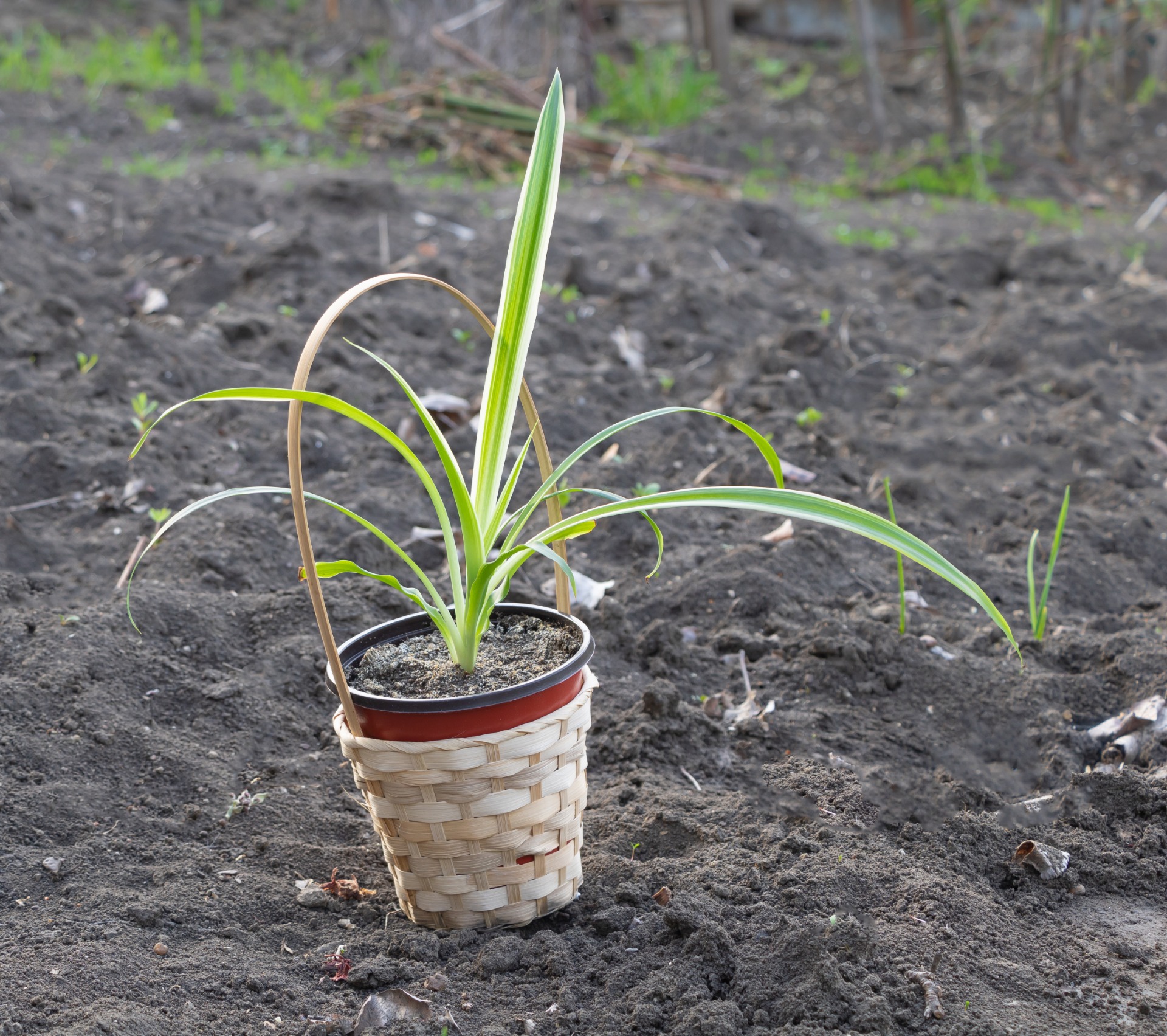
I spent years watching spider plants struggle on my shelves before I figured out how to grow spider plants the way they actually want to be treated. Brown tips. Droopy leaves. Zero babies. I made every classic mistake. Then something clicked, and now I have cascading plants that keep producing those little spiderettes like clockwork.
You want the same results. Good. This is the straightforward version of what finally worked for me after too many near-deaths.
Light That Keeps the Stripes Sharp
Spider plants need bright, indirect light. I learned this the hard way when I stuck one in a dark corner and watched the variegation fade into plain green mush.
Place yours a few feet from an east or north window. South or west works if you pull it back or filter the light with a sheer curtain. Direct sun scorches the leaves. Too little light slows growth and kills the chance of babies.
I rotate mine every week or so. Otherwise one side gets leggy while the other stays tight. FYI, they tolerate lower light better than most houseplants, but “tolerate” is not the same as thrive. Give them the brighter spot if you want those classic stripes and long runners.
Watering Without the Drama
Water when the top inch of soil feels dry. Stick your finger in. If it comes out clean and dry, water thoroughly until it runs out the drainage holes. Then empty the saucer. Spider plants hate sitting in water.
In spring and summer I water more often because growth is active. In winter I cut back. The fleshy roots store water, so they forgive the occasional dry spell. They do not forgive constant sogginess.
Tap water caused most of my brown tips. Fluoride and chlorine build up at the leaf ends. I switched to rainwater or filtered water and the new growth came in clean. Distilled works too. Let tap water sit out overnight if that is all you have. It helps a bit with the chlorine.
Underwatering shows as crispy tips. Overwatering shows as soft, yellowing leaves and eventual root rot. Consistency beats a strict schedule. Check the soil, not the calendar.
Soil and Pots That Actually Drain
Use a well-draining potting mix. I mix regular houseplant soil with extra perlite so water moves through fast. Heavy mixes hold too much moisture around those thick roots and invite rot.
A pot with drainage holes is non-negotiable. Wider pots work better than deep ones because the roots spread sideways. I repot every year or two when the roots start circling or pushing out the bottom. Fresh soil gives them room and resets any salt buildup.
Slightly pot-bound plants often produce more babies. Extremely root-bound ones just stall. Find the middle ground.
Temperature, Humidity, and Feeding
Keep them between 55 and 80 degrees Fahrenheit. Average home temperatures suit them fine. Keep them away from cold drafts and heating vents. Sudden temperature swings stress the leaves.
Humidity helps. They handle normal indoor air, but dry winter air worsens tip burn. I group plants together or set the pot on a pebble tray with water. Misting works in a pinch, though it is not a long-term fix.
Fertilizer is optional if you repot regularly. I feed lightly once a month in spring and summer with a balanced liquid houseplant fertilizer at half strength. Too much fertilizer causes brown tips just like bad water. Skip it in fall and winter.
How I Propagate Spider Plants for Free Plants Everywhere
This is the fun part. Mature plants send out long stems with little plantlets, the spiderettes. Once those babies grow small roots of their own, I snip them and pot them up.
Two methods work for me:
- Soil method: Fill a small pot with moist, well-draining mix. Press the base of the spiderette into the soil so any root nubs make contact. Keep the soil lightly moist. New growth appears in a few weeks.
- Water method: Set the spiderette in a glass of water. Change the water every few days. When roots reach about an inch, move it to soil.
I sometimes leave the baby attached to the mother and pin it into a neighboring pot until it roots. Then I cut the connecting stem. Either way works. These plants multiply fast once they get going.
IMO, propagating is the best part of owning spider plants. One healthy mother can fill a whole windowsill with offspring.
Fixing the Problems That Used to Defeat Me
Brown tips are the number one complaint. Causes include:
- Fluoride or chlorine in tap water
- Low humidity
- Inconsistent watering
- Too much fertilizer
- Direct sun
Switch water sources first. Trim the brown parts with clean scissors if they bother you. The damage does not reverse, but new leaves should stay clean once you fix the cause.
Yellow leaves usually mean overwatering or not enough light. Move the plant and let the soil dry more between waterings.
Pests are rare but aphids or spider mites can show up. I rinse the leaves under the sink and wipe them down. Neem oil handles stubborn cases.
If the plant stops producing babies, check the light. They need enough brightness to flower and send out runners. A slightly pot-bound plant also encourages more offsets.
Repotting and Long-Term Care
I repot in spring. Gently loosen the roots, shake off old soil, and settle the plant into a pot only one size larger. Water well and keep it in bright indirect light while it recovers.
Prune dead or damaged leaves at the base. If the plant looks sparse, remove some of the older spiderettes so energy goes back to the mother.
These plants last for years with basic attention. I have one that has been with me through three apartments and still pumps out babies every summer.
Frequently Asked Questions
How often should I water when learning how to grow spider plants?
Water when the top inch of soil dries out. That usually means once a week in warmer months and less in winter. Always check the soil instead of following a fixed calendar.
Why do my spider plant tips keep turning brown?
Most of the time it is the water. Switch to filtered, distilled, or rainwater and the new growth usually stays green. Low humidity and over-fertilizing play a role too.
Can I grow spider plants outside?
Yes in summer if temperatures stay above 50 degrees and the spot stays in bright shade. Bring them in before cold weather hits. They make great patio plants in hanging baskets.
How long until I see spiderettes?
Healthy plants in good light start producing them after about a year. Some cultivars make fewer or none, so check the variety if yours stays baby-free.
Are spider plants safe for pets?
Yes. They are non-toxic to cats and dogs, which is one reason I keep so many around the house.
I still check my plants every few days out of habit. The routine is simple once you dial it in. Bright indirect light. Water when the top inch is dry. Decent drainage. Occasional light feed. Propagate the babies when they appear.
That is the whole system. No mystery. No special products. Just consistent basics that finally clicked for me after plenty of trial and error.
Start with one plant in the right spot. Watch how it responds. Adjust as needed. Before long you will have more spider plants than shelf space, and that is a pretty good problem to have