

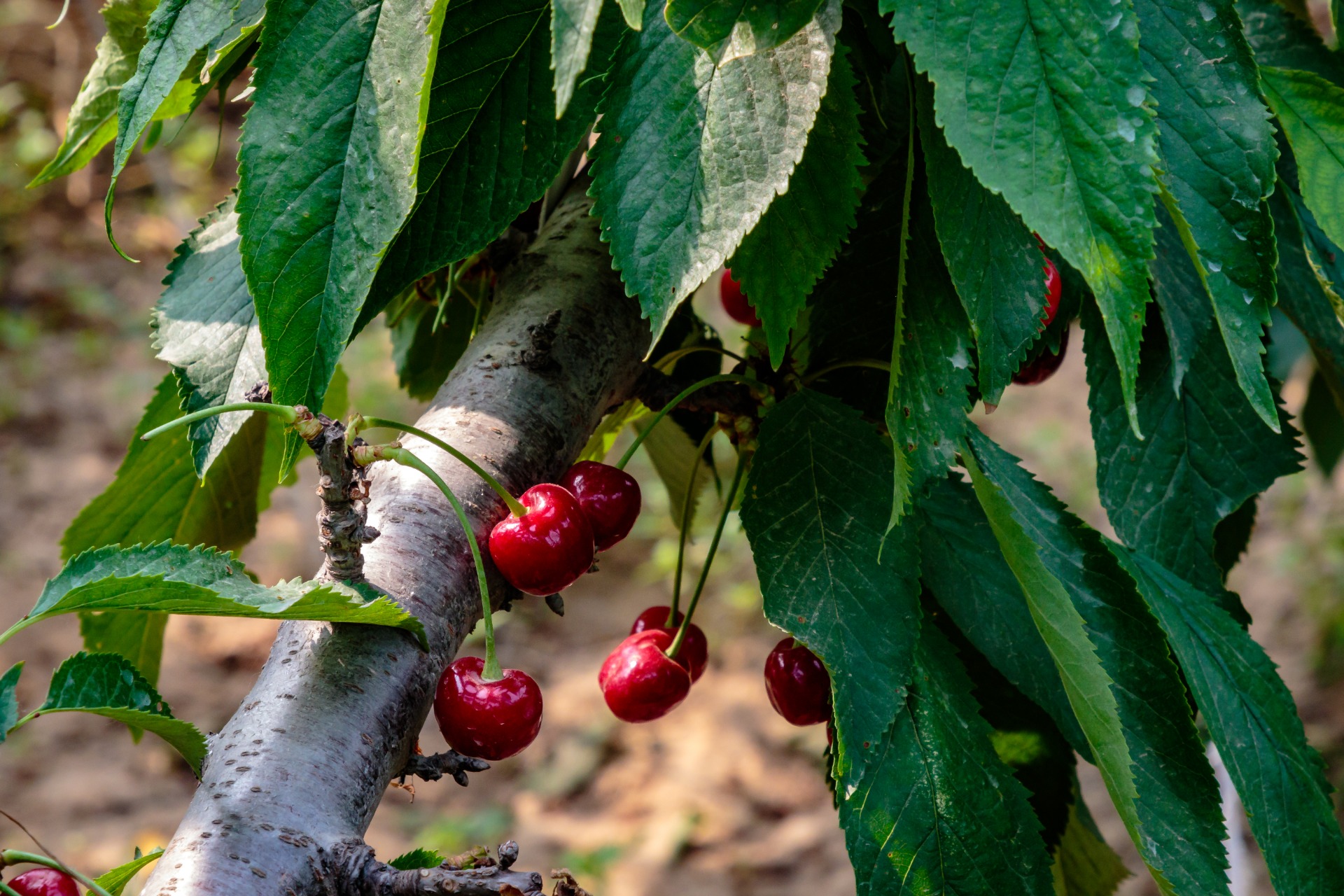
I spent three seasons watching my first cherry trees do almost nothing useful. Birds got most of the fruit. Frost nipped the blossoms. One tree sulked in soggy soil until I moved it. Learning how to grow cherries took more trial and error than I expected. Now I get decent harvests most years, and I want to spare you the same headaches.
You need the right variety, solid soil drainage, consistent early care, and a plan for the birds. That’s the core of it. Everything else is details that make the difference between a pretty tree and actual cherries in your kitchen.
Choosing the Right Cherry Tree for Your Space
I started with whatever looked good at the nursery. Bad move. Size, type, and pollination needs matter more than the label photos.
Sweet Versus Tart Cherries
Sweet cherries (Prunus avium) are the ones you eat fresh off the branch. They want full sun and often need a second tree nearby for pollination unless you pick a self-fertile type. Tart (or acid) cherries (Prunus cerasus) handle a bit more shade, stay smaller, and almost always set fruit on their own. They shine in pies and preserves.
I grow both now. The tart ones forgive my imperfect watering schedule better. The sweet ones reward me when I get the site right. Self-fertile varieties like Stella or Lapins save space if you only have room for one tree. FYI, many modern sweet cherries fall into this category, so check the tag carefully.
Rootstocks Control the Size
Standard trees can hit 20 feet or more. I do not recommend them for most backyards. Dwarf and semi-dwarf rootstocks keep things manageable.
Gisela 5 keeps a sweet cherry around 10 to 13 feet. Colt is a bit bigger. I planted two on Gisela 5 and can reach most of the fruit without a tall ladder. Container growing works with the smaller rootstocks if your soil is terrible or space is tight. Just use a pot at least 18 inches wide and deep.
Pick trees grafted onto a suitable rootstock. Seed-grown cherries take forever and grow too big for most of us.
Picking the Perfect Spot and Planting Your Tree
Location decides half the battle. Cherries hate wet feet and late frosts on the blossoms.
Find a spot with at least six hours of direct sun. Sweet cherries prefer more. Shelter from strong winds helps pollination and keeps the flowers from drying out. Avoid low spots where cold air pools. I learned that the hard way after one late frost wiped out an entire bloom.
Soil needs to drain well. Ideal pH sits around 6.0 to 7.0, slightly acidic. Dig a test hole and fill it with water. If it sits overnight, improve the drainage or choose a raised bed or mound. I added compost and grit to my clay-ish patch, and the trees finally stopped looking miserable.
Plant bare-root trees while they are dormant, late fall through early spring. Container trees give more flexibility but settle best in cooler weather. Dig a hole wide enough for the roots to spread. Set the graft union a couple of inches above the soil line. Backfill, firm gently, and water deeply. Stake young trees if your site is windy. Mulch the surface but keep it a few inches away from the trunk.
Space matters. Full-size sweet cherries need 30 to 40 feet. Dwarfs can sit 8 to 15 feet apart depending on the rootstock. I crowded my first two and spent years pruning them apart. Don’t do that.
How to Grow Cherries Through the Seasons
Once the tree is in the ground, the work shifts to steady attention rather than constant fussing.
Watering Without Overdoing It
Young trees need regular deep water the first year or two while roots establish. I aim for consistent moisture without sogginess. Established trees handle normal rainfall in many climates, but dry spells still call for a good soak. Containers dry out faster, so check them often.
Too much water near harvest time can split the fruit. I ease off once the cherries start coloring up. That simple adjustment saved a lot of cracked cherries for me.
Feeding and Mulching
A spring mulch of well-rotted compost or manure keeps moisture even and feeds the soil slowly. I skip heavy nitrogen. Too much leafy growth means fewer flowers and softer fruit. A low-nitrogen fertilizer in early spring works if growth looks weak. Stop feeding by midsummer so new wood can harden before winter.
My trees get one solid mulch application in late winter or early spring. That covers most of their needs.
Protecting the Blossoms
Late frosts are the silent crop killers. When the forecast dips near freezing during bloom, I throw horticultural fleece or an old sheet over the smaller trees overnight. Remove it in the morning so insects can still work. Potted trees move under cover easily. This step alone has rescued more fruit for me than any fertilizer.
Pruning Without Killing Your Tree
Pruning timing is non-negotiable. Never cut cherries in winter. Silver leaf disease and bacterial canker love fresh winter wounds.
I prune established trees right after harvest in mid to late summer. Young trees get formative pruning in early spring once growth starts. The goal is an open shape with good air flow and a balance of older fruiting wood and new shoots.
Sweet cherries fruit mostly on wood from the previous year and short spurs. Tart cherries prefer one-year-old shoots. I remove crossing branches, dead wood, and anything that crowds the center. For fan-trained trees against a wall, I tie in the new growth and keep the shape tidy.
I used to over-prune. The trees sulked. Now I take less and get better results. A clean, sharp pair of bypass pruners and a bit of restraint go a long way.
Dealing with Birds, Bugs, and Bad Weather
Birds will empty a tree in days once the fruit colors. Netting is the only reliable answer I have found. Drape it before the cherries turn fully red. Secure the edges so birds cannot sneak under. Fruit cages work beautifully for smaller trees. I still lose a few to clever robins, but most of the crop stays mine.
Aphids and certain caterpillars show up some years. A strong blast of water or insecticidal soap usually handles light problems. I watch for signs of canker (oozing or dead bark patches) and prune those out promptly in summer.
Rain near harvest can cause splitting. Good drainage and careful watering reduce it. Some varieties handle rain better than others. I keep notes on which of mine crack less so I can plant more of those next time.
Harvesting and What to Do With Your Crop
Cherries do not ripen much after picking. Wait until they reach full color and pull easily with the stem attached. I use scissors or clippers on clusters to avoid tearing the spur. Harvest on a dry day if possible.
A mature standard tree can give 30 to 50 quarts. Dwarfs give less, but still plenty for a household. I freeze extras on trays then bag them. Fresh ones disappear fast around here.
The first real harvest felt almost too good after the earlier failures. I stood under the tree eating warm cherries straight off the branch and finally understood why people bother with all this.
Frequently Asked Questions
How long does it take to get fruit when learning how to grow cherries?
Most trees start producing in year three or four. Dwarfs on good rootstocks can fruit a bit sooner. Patience is part of the deal.
Do I need more than one tree?
Not always. Self-fertile varieties set fruit alone. Many sweet cherries still benefit from a pollination partner, so check the specific cultivar.
Can I grow cherries in a container?
Yes, with a semi-dwarfing rootstock and a large enough pot. Water and feed more carefully than in-ground trees. Move the pot to protect from extreme cold or late frost.
Why did my cherries split or drop early?
Splitting usually comes from uneven water, especially heavy rain after dry periods. Early drop can stem from poor pollination, stress, or weather. Consistent moisture and good variety choice help.
What is the biggest mistake beginners make?
Planting in poorly drained soil or skipping netting. Both will frustrate you more than almost anything else. Fix those two and you are ahead of where I started.
I still lose some fruit every year. Birds find gaps in the netting. A random late frost sneaks through. But most seasons I fill bowls and bags and feel like the effort paid off. The trees look better each year, and the taste of a sun-warmed cherry from my own yard beats anything from the store.
Start with one solid tree in the right spot. Give it the basics I outlined. Pay attention the first couple of seasons. You will figure out the rest as you go, just like I did. Plant something this dormant season if you can. Future you will thank present you when the first real crop arrives.