

Believe me, I’ve been there: you’re hanging out with your lush leafy garden, the bright blossoms of your hibiscus catching the sun, and then — bam! Cold weather sneaks in. Suddenly that glorious plant starts looking tired and you’re stressing: “What do I do now?”
Well, as a gardener who’s grown plenty of hibiscus (yeah — tropical types, hardy types, container ones, in-ground ones), I know preferences vary. Maybe you’re all about colour (me too) vs fragrance. Maybe you care more about hardiness/performance vs budget (been there). Or you’re in a colder region and wondering how to keep your hibiscus alive through winter.
So why am I writing this? Because I love hibiscus. Their big, bold blooms feel like a summer escape, and I hate losing that vibe just because the thermostat drops. Over the years I’ve figured out what works (and what doesn’t) when it comes to winter care for hibiscus, and I want to share it with you.
In this article you’ll find a practical, gardener-friendly guide — what to do before winter hits, how to care for different types of hibiscus through cold months, region-specific advice and the sort of stuff I wish someone had told me when I started. Let’s jump in!
Major Hibiscus Types at a Glance
Here’s a helpful comparison table summarizing the main kinds of hibiscus you’re likely to have, especially if you’re thinking about winter care.
| Name | Best Region or Use | Typical Height / Performance | Bloom Season / Time | Fragrance / Feature |
|---|---|---|---|---|
| Tropical Hibiscus (e.g. Hibiscus rosa-sinensis) | Warm climates or grown in containers for colder zones | 2-5 m tall shrub or large pot plant in ideal conditions | Late spring through summer, often into fall indoors | Large bold flowers, many colour options, modest scent |
| Hardy/Perennial Hibiscus (e.g. Hibiscus moscheutos) | Temperate zones, garden beds that endure winter | 0.9-2.1 m tall (3–7 ft) depending on variety Gardenia+2johnson.k-state.edu+2 | Mid-summer to early fall | Huge blooms (“dinner-plate” size), more limited colours, less fragrance |
| Shrub/Tree Hibiscus (e.g. Hibiscus syriacus aka Rose of Sharon) | Cooler regions, outdoor perennial shrub | Up to 3-4 m or more in ideal conditions Proven Winners+1 | Summer and into fall | Smaller flowers than tropical type, good for cold hardy landscaping |
Detailed Sections: How I Care for Each Hibiscus Type in Winter
1. Tropical Hibiscus (My indoor winter rescue)


6
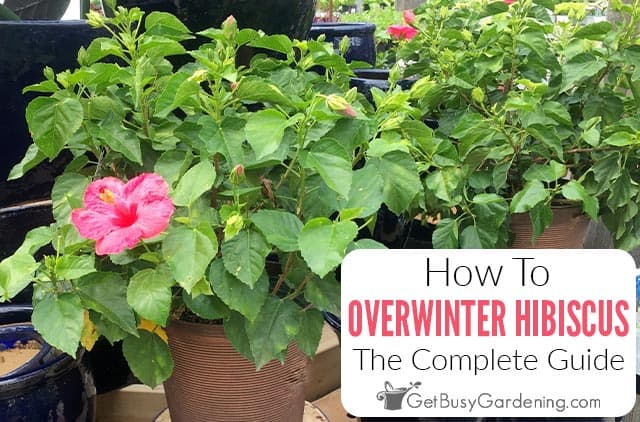
In my experience, tropical hibiscus are the show-stoppers. The glossy leaves, vivid flowers, the feeling of “summer in a pot”. But in regions where winter creeps in, they demand a bit of extra love.
Observation/story:
Last winter I had one potted tropical hibiscus that I dragged inside, placed near a bright window. It lost half its leaves (yes — that made me panic initially), but once I settled into a more relaxed routine it bounced back beautifully come spring.
Practical tip:
When night temperatures drop into the low 50s °F (≈ 10-12 °C), I bring mine indoors. According to an expert source, tropical hibiscus indoors should stay above about 55 °F (~13 °C) during their resting winter phase. LibAnswers+1
Choose a bright spot — south or west-facing window if possible. Supplement with a grow-light if needed. According to the Chicago Botanic Garden, bright light + warmth are key for overwintering. Chicago Botanic Garden
Winter care insights:
- Water sparingly: The soil doesn’t dry out completely, but I back off from summer watering. Excess water + cold = root trouble. Bob’s Market and Greenhouses
- Cut back on feeding: It’s not actively growing, so skipping or reducing fertilizer is wise.
- Watch for drafts or heating vents: Bursts of hot/cold air can damage leaves. Costa Farms
- Accept temporary leaf loss: Yes — that’s totally normal when you move it inside. One forum gardener said: “The leaves turn brown and fall off… don’t fret — it will come back.” UBC Botanical Garden Forums
Cross-reference tip:
If you’re curious about growing hibiscus in containers year-round, you might like my related article on “Container Gardening with Hibiscus: Year-Round Basics”.
2. Hardy/Perennial Hibiscus (My winter-tough garden hero)
6
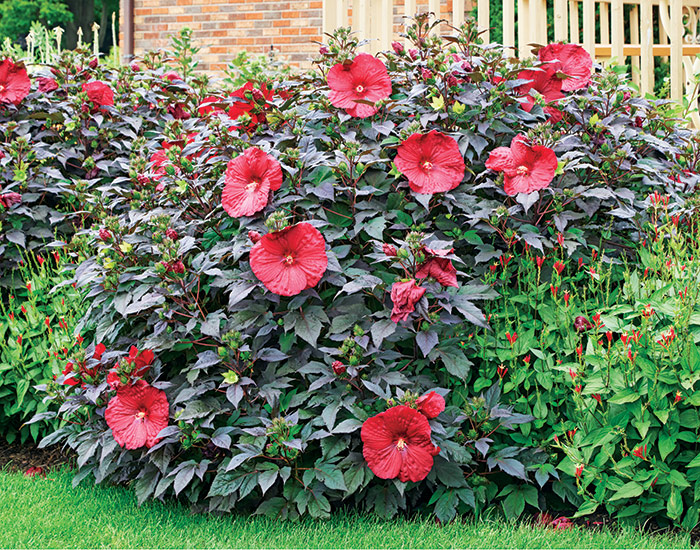
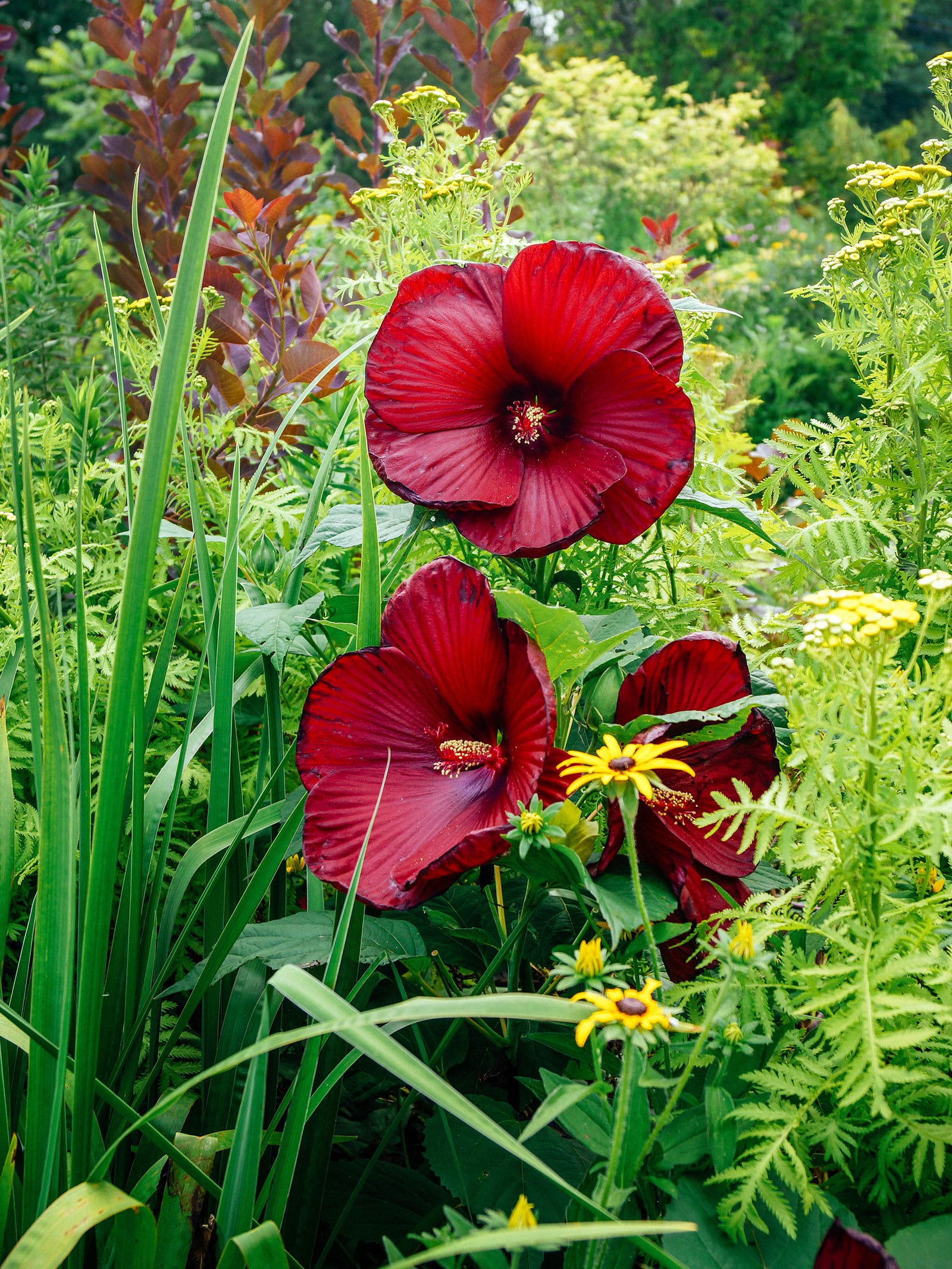
For colder climates (or for an outdoor, ground-planted approach), hardy hibiscus are the ones I reach for. They give you drama without the constant indoor babysitting.
Observation/story:
A friend of mine in a temperate zone planted Hibiscus moscheutos in a garden bed, and every autumn I’d check back in spring to find it had died back and then come roaring back with huge blooms. I realized: it’s built to survive winter.
Practical tip:
These plants die back to the ground in winter and then regrow. Costa Farms Help+1
What I do: after the foliage fades, I leave the stems standing until very late fall (they catch leaves, provide winter insulation). Then in early spring I cut them down to about 4–6 inches above ground. Sargent’s Nursery
Add a thick layer of mulch over the root zone. According to a guide: “adequate cover (snow, straw, leaves) is essential for overwintering.” Sargent’s Nursery
Winter care insights:
- Mulch generously around the crown and roots to insulate.
- No heavy pruning in fall. Wait until early spring before new growth appears.
- I ease watering as growth slows; the plant is in dormancy until spring.
- Don’t panic if it looks dead — we’ve all been there. It probably isn’t. johnson.k-state.edu
Cross-reference tip:
For readers in cooler zones, you might also want to check my guide on “Choosing Hardy Border Plants for Cold-Climate Gardens,” which includes this hardy hibiscus type.
3. Shrub/Tree Hibiscus (Rose of Sharon style)

6
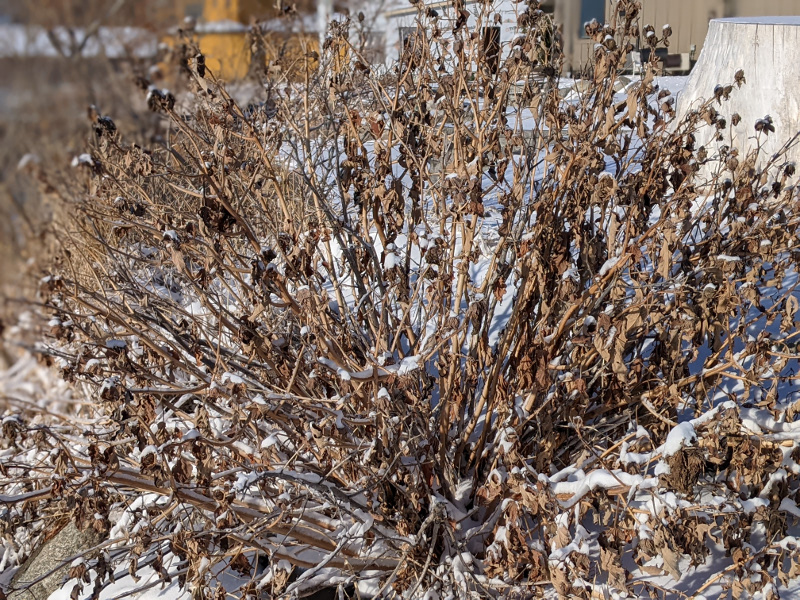
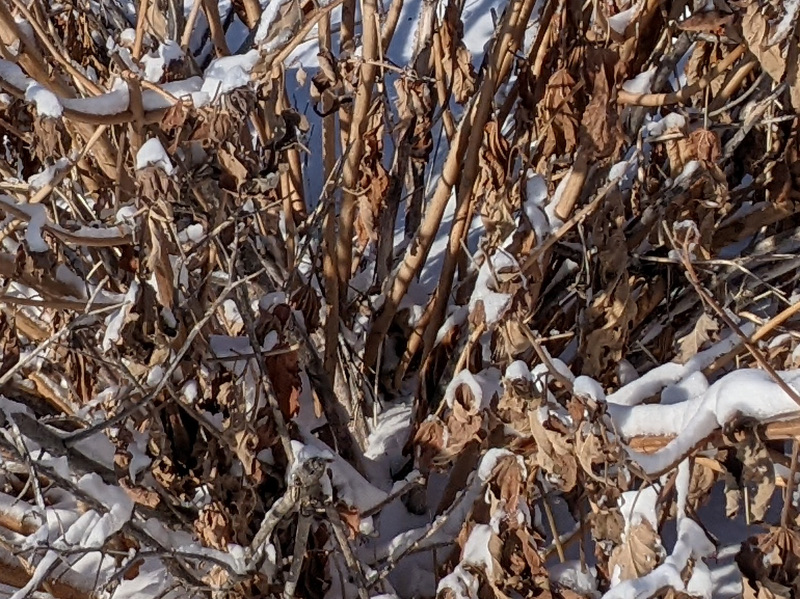
If you’re looking at a hardy shrub form — like Hibiscus syriacus (Rose of Sharon) — it deserves its own mention. I’ve grown one in a border and learned how it handles winter outdoors with minimal fuss.
Observation/story:
My Rose of Sharon stood through winter with essentially no protection (in my mild-temperate garden), and by early spring new shoots appeared without me doing much. It’s really a case of “plant it, forget routine, enjoy the blooms”.
Practical tip:
These shrubs tolerate colder climates more easily than tropical hibiscus. According to growers: they should be left outdoors in full sun zones 5-9. Proven Winners
In winter I still add mulch around the base and ensure good drainage (because soggy, cold soil isn’t fun for any plant).
Winter care insights:
- Minimal watering when dormant; don’t let the root zone stay saturated.
- Mulch base to protect roots and buffer temperature shifts.
- In early spring, cut away any obviously dead branches and let new growth emerge naturally.
Cross-reference tip:
If you’re integrating shrubs into a mixed garden (perennials + trees), take a look at my article “Winter Care for Mixed Border Shrubs” — Rose of Sharon is featured there too.
Helpful Notes / Expert Advice
• Climate & Regional Advice
- If you live in a frost-free or tropical climate, your tropical hibiscus probably stays outdoors all year; just keep it warm and well-lit.
- If you’re in a temperate or cold region where nights (and days) fall below freezing, you’ve got to pick your strategy: either bring tropical types indoors or choose hardy/perennial/ shrub types that are winter-adapted. Gardening Know How+1
- In container culture (pots on patios etc.), remember that pots cool down faster than in-ground plants — insulation or moving to a protected spot helps.
• Seasonal Cautions & Safety Notes
- Avoid heavy fertilizing late in season: encouraging fresh growth when winter is coming = risk of damage. The Spruce
- Don’t overwater during dormancy or when plants are inside: root rot is a big threat.
- Check for pests when bringing plants indoors — aphids, whiteflies love to hitch a ride. Better Homes & Gardens
- For indoor plants: avoid placing them near heating vents or cold drafts; stable mild temperatures are better.
- Mulch materials: use leaves, straw, compost — but make sure the mulch layer isn’t so dense that it keeps the soil soggy.
• My Favourite Extra Tips
- I keep a small thermometer near my indoor hibiscus so I’m aware if the room drops below ~13 °C (55 °F).
- For outdoor ones I mark the crown of the plant in fall with a flag or rock so when snow/mulch goes on I know where the base is.
- I take a pre-winter photo of each plant (leaves, pot, position) so when spring comes I can compare and see changes.
- For potted tropical hibiscus: I gradually move them indoors — first to an enclosed porch, then into a brighter window — to reduce shock.
Conclusion
Thanks so much for reading along. I hope this deep dive into winter care for hibiscus gives you practical, real-world advice, not just garden-theory. Honestly, I love those big blooms and tropical vibes too much to let winter kill the fun — and I believe with the right approach you don’t have to either.
Whether you’re rescuing a tropical hibiscus into your living room, mulching a hardy one in the garden, or just trying to pick the right type for your climate, you’ve now got the map. I’d invite you to subscribe (if you aren’t already) for more garden-growing stories and tips. And please — I’d love to hear how your hibiscus does this winter. Did you try moving indoors? Mulching? What worked for you (or didn’t)? Leave a comment or send a photo.
Here’s to healthy, happy hibiscus through winter — and many more big tropical blooms in the seasons ahead. Happy gardening!