

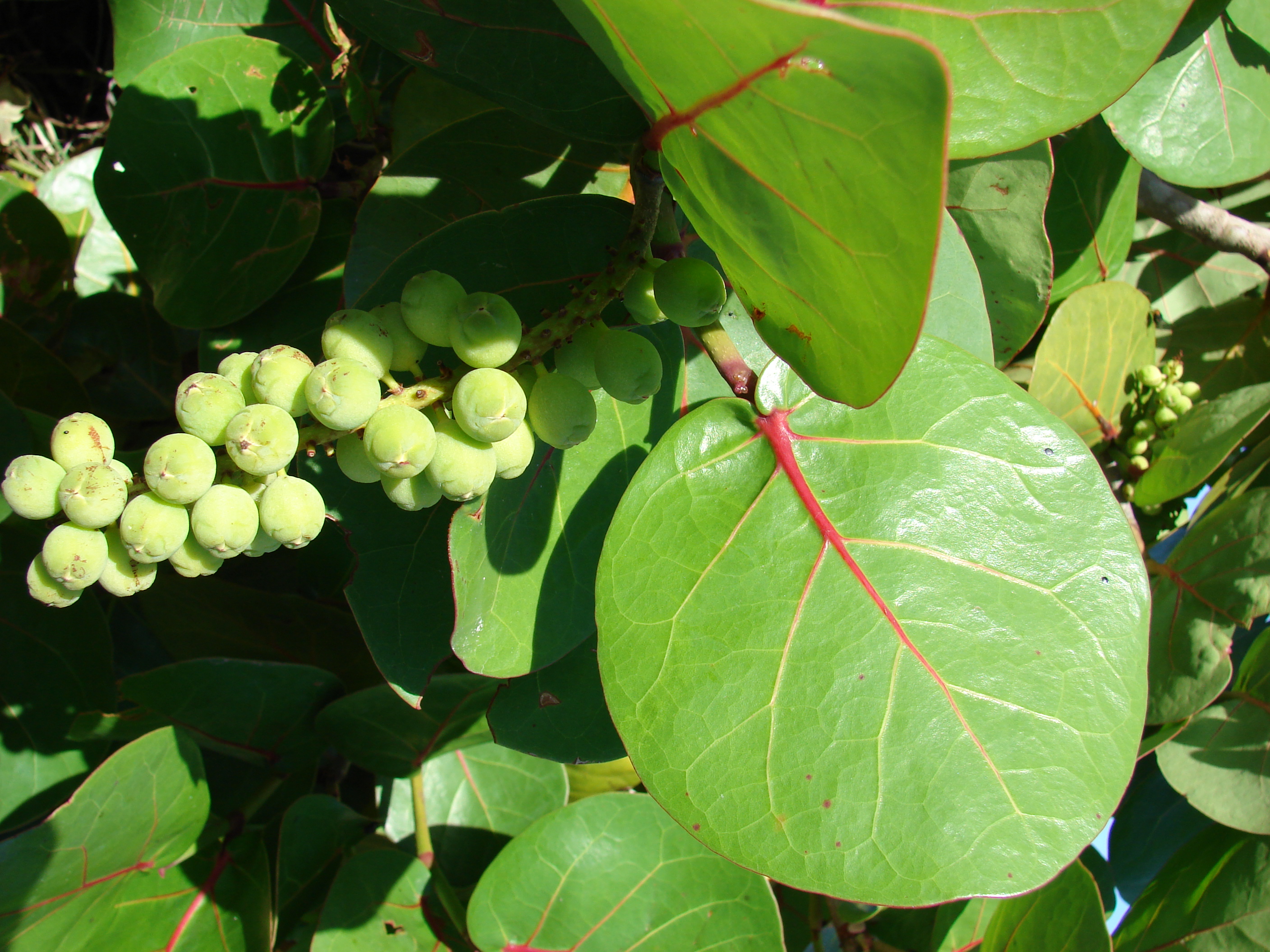
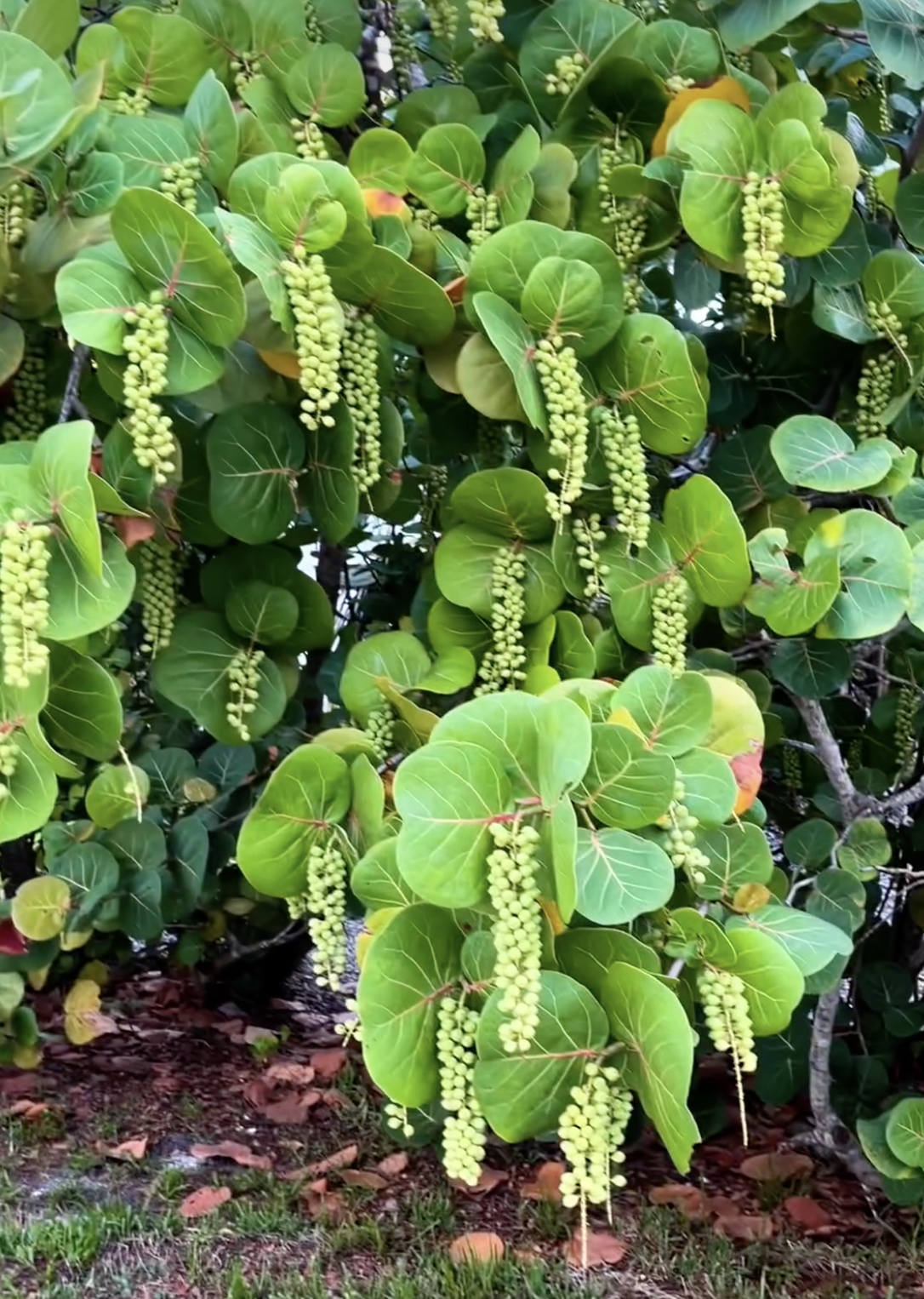
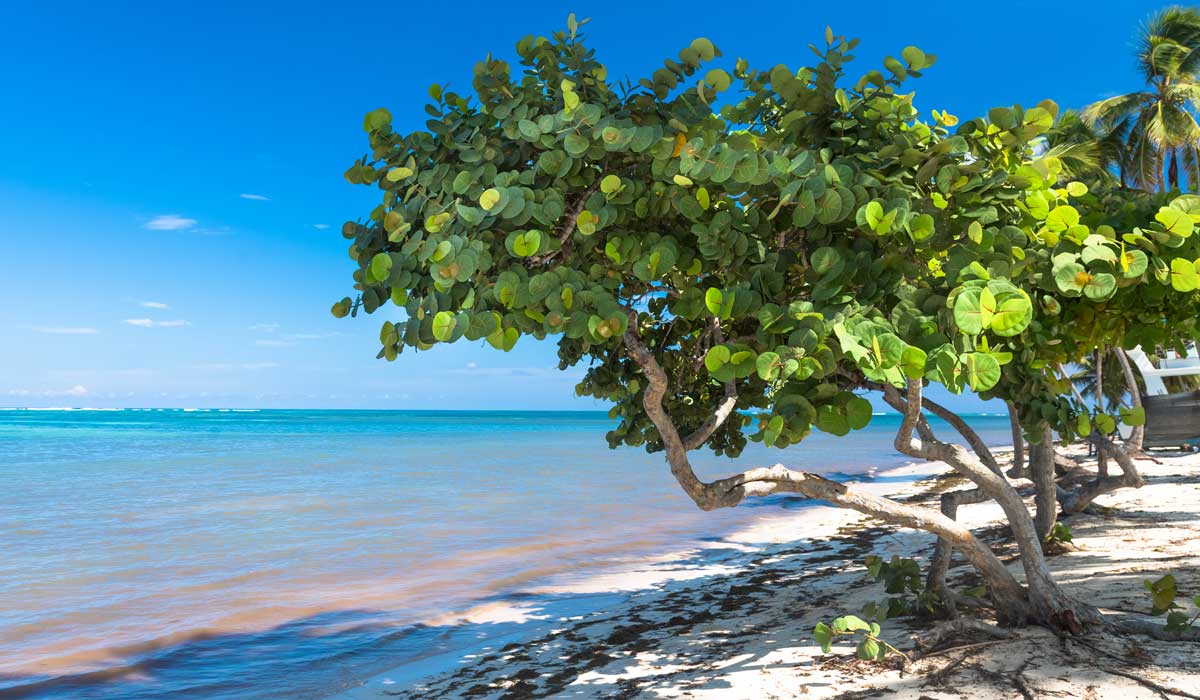
Believe me, when I first fell in love with the Coccoloba uvifera (commonly called sea-grape), it was for its bold, round glossy leaves and how beautifully it stands against salty ocean winds. Growing up in a humid subtropical spot, I wanted a tree that could handle salt spray, sand, sun — and look fantastic doing it.
There are tons of plants where you might choose fragrance over colour, or height over compact size; I found myself asking: what if I could propagate sea-grape from cuttings and spread the joy to more spots in my garden (and maybe my neighbour’s too)? Preferences vary — someone might want fast bloom, someone else drought-tolerance — but I wanted sturdy, coastal, easy-to-share.
In my own experience, taking a branch from a healthy tree, rooting it, and then watching it grow into its full leafy glory has been deeply rewarding. So I’m writing this for you: to share what I’ve learned, the successes and the stumbles, and to promise you a practical guide you can follow at home.
By the end of this article, you’ll have everything you need — from how to select your cutting, to preparing it, to caring for that baby plant — so that you can propagate sea-grape confident in what you’re doing. Let’s dive in!
Quick Summary Table: Propagation Options for Sea-Grape
Here’s a handy comparison of the major methods you can use to propagate sea-grape — whether you’re going via seed or cuttings — with their strengths and ideal conditions.
| Method | Best Region / Use | Height / Performance | Time / Season | Feature / Notes |
|---|---|---|---|---|
| Seed propagation | Coastal subtropics (zones 10-11) | Eventually large tree (35-50 ft) gardeningsolutions.ifas.ufl.edu+1 | Start in warm spring/summer | Good genetic diversity, but slower; female vs male issue |
| Stem cutting propagation | Same coastal/subtropical regions; garden-sharing | Grows into same size as parent | Early spring (when active growth) The Spruce+1 | More predictable clone of parent plant; faster than seed |
| Seedlings under tree | Established garden or wild parent tree nearby | Depending on root run | Anytime when naturally present Houzz | Free, easy to dig up, but less control over root system & gender |
1. Seed Propagation: My First Approach
When I first acquired a sea-grape, I planted some of the seeds that dropped from a mature female tree. Honestly, it felt magical to see those little green grapes turn purple and then drop, and I thought: “Why not harness this?”
What I observed: The seedlings came up fairly easily in the warm, sandy soil near my coast-office garden. As one gardener on Houzz put it:
“Go ahead and let the seeds dry out and then plant them – you’ll see tray after tray of seedlings under the tree.” Houzz
Practical tip: I cleaned the fruit pulp off the seeds (important, as any leftover residue can invite rot) and sowed them in a 50/50 mix of sand and compost in little pots. The germination took about three weeks. The Spruce+1
Growing and care insights:
- Plant them in full sun or very light shade; sea-grape tolerates shade but loves sunlight. gardeningsolutions.ifas.ufl.edu
- Use well-draining, sandy soil — it thrives in that.
- Once roots are established and the plant is about 6″ tall, plant into your garden.
- Note: Because sea-grape is dioecious (male and female plants, separate individuals) — if you want fruit, you’ll need both male and female plants. gardeningsolutions.ifas.ufl.edu+1
Why I ultimately shifted to cuttings: Seed propagation was great for multiples, but I found cuttings gave faster, predictable results and allowed me to clone a specific tree I loved (with a particularly nice trunk and canopy).
2. Cutting Propagation: My Go-To Method
“Cuttings, cuttings, cuttings,” that’s what my friends in the garden club told me when I asked: “Can I propagate sea-grape from cuttings?” And after doing it a few times, I totally agree.
Personal story: One spring I picked a healthy branch from a tree I particularly liked (nice twisting trunk, bold leaf colour). I cut a 20-30cm length (about 8-12″) from semi-hard wood, removed most leaves, let it dry a couple hours in the sun, and then planted it in a pot of half sand/half regular soil. Within about three weeks, I saw small new leaves at the top. That moment felt like a triumph. Garden Vive
Practical tip:
- Choose a healthy older branch (not overly woody or dead).
- Remove the lower leaves, and let the cutting dry for 1–2 hours before planting (reduces rot risk). Garden Vive
- Plant it in a mix that drains well — I use 50% sand + 50% potting soil (avoid too much rich compost until roots form).
- Keep it in a bright spot (but avoid harsh midday direct sun for new cuttings).
- Water lightly every day for the first few weeks, ensuring the soil stays just moist, not soggy.
Growing and care insights:
- Once the cutting roots and shows new leaf growth, you can pot it up or plant it in the ground after 2–3 months. Garden Vive
- Ensure you provide a sunny spot and sandy, well-draining soil — sea-grape doesn’t like sitting in water. gardeningsolutions.ifas.ufl.edu+1
- If grown in a container first, move outdoors when the plant is strong and the climate warm.
- Since you’re cloning the parent, you’ll get the same gender (male or female) plant — which is great if you already have a female producing fruit and want more of her.
Why it works well: In my garden, these cuttings rooted faster than seeds matured, and I had more control over the final plant’s character. It feels like I’m “making more of the good one” rather than starting fresh.
3. Picking Up Seedlings Under a Parent Tree
Here’s a bonus method that sometimes happens naturally: you notice little sea-grape seedlings under an established tree, dig them out, pot them up, and transplant. I’ve tried this too — it’s sort of free!
Observation: I noticed numerous seedlings popping up under a mature tree in my yard. One gardener’s report echoes it:
“Anywhere you see a sea-grape you’ll see a gazillion seedlings.” Houzz
Practical tip:
- Gently dig around a small seedling, keeping root ball intact.
- Pot it up in a sandy mix, let it grow a bit before planting in its final spot.
- Be aware: you may not know whether it’s male or female until fruit appears (if at all).
Growing insight:
- This is a very cost-effective way if you already have a mature tree nearby.
- Ideal for expanding a hedge or creating a screen of sea-grape plants.
- Little control over the root development or the gender and ultimate size as with seed or cutting propagation.
Helpful Notes / Expert Advice
As someone who’s lived close to sea-grape trees for years, here are some extra tips — the kind I wish I’d known when I started — so you don’t make the mistakes I made:
Climate / regional advice:
- Sea-grape thrives in USDA zones 10-11 (and similar subtropical coastal climates) — it is sensitive to frost and freezing. gardeningsolutions.ifas.ufl.edu+1
- In my region (warm, humid, near the coast), the salt spray and sandy soil are perfect. If you’re inland or cooler, you may need to protect young plants from cold or heavy frost.
- If you live in a monsoon/humid subtropical zone (like I do in Bangladesh’s coastal fringe), make sure good drainage is available — my young plants hated being waterlogged.
Seasonal cautions:
- Avoid taking cuttings when the plant is under stress (e.g., in the depths of winter or extreme dry). Early spring or early growth stage is best.
- When transplanting, wait until the root system is well established — moving a young sea-grape right into the full coastal exposure too early could shock it.
- Even though sea-grape is drought-tolerant once mature, young plants appreciate regular watering until established. In my case I watered every few days for the first year, then reduced frequency.
Safety or practical considerations:
- While sea-grape is generally easy-going, one pest to keep an eye on: the sea-grape borer (a moth whose larvae bore into small twigs) and some galls on leaves. They rarely cause major damage, but keeping the tree healthy helps avoid problems. gardeningsolutions.ifas.ufl.edu
- Pruning: Because the leaves are large and slow to decompose, mechanical shearing (like hedge-trimmers) isn’t ideal; I hand-trim branches to keep shape. gardeningsolutions.ifas.ufl.edu
- Gender: Remember the dioecious nature — if you want fruit, you need a female and a male. Propagating a female by cutting ensures the new plant is female (thus potential fruit producer). Garden Vive+1
- Avoid heavy compost on new cuttings: In one of my early attempts, I used rich compost and ended up with rotten base on the cutting because it stayed too wet. That taught me: sand/soil mix, light watering, good drainage are key.
Conclusion
Thank you so much for reading along — I hope my gardener’s story and hands-on tips have inspired you to propagate sea-grape from cuttings (or seeds or seedlings) with more confidence. Honestly, there’s something deeply satisfying about taking a branch, nurturing it, and seeing it grow into a majestic coastal tree with bold leaves and salty-air resilience.
If you’re as much a plant-lover (or coastal gardener) as I am, I invite you to subscribe to my blog or follow along for more propagation projects, plant-care adventures, and mess-ups turned into green-success. I’d love to hear how your sea-grape journey goes — and feel free to drop questions, photos, or progress updates.
In my garden, each sea-grape represents a small victory, a little slice of seaside resilience grown from a cutting. I hope you find the same joy in your own propagation, and I can’t wait to hear your story. Let’s grow together!