


It’s a warm Florida afternoon and I’m out in the garden, fingers digging gently into the sandy soil, sunlight streaming through the tropical leaves overhead. There’s something deeply satisfying about nurturing a plant that bursts into vivid, fragrant blossoms under our Florida sun. That’s why I wanted to share my experience with growing Plumeria (also known as frangipani) here — because if you’re reading this and dreaming of tropical vibes in your yard, you’re in the right place.

I’ve discovered that our preferences vary a lot: you might love plumeria because of its color — those rich yellows, pinks, reds — or because of the fragrance — that sweet, exotic scent that reminds you of island breezes. Maybe you’re thinking of performance (lots of blooms, easy care) versus budget (cheap starts, minimal fuss). I’ve wrestled with all of those in my garden.

My reason for writing this is simple: I’ve grown plumeria in my Florida landscape (and in a pot during cooler months), and I’ve learned what works — and what doesn’t — the hard way. I want to save you some of the trial-and-error, and share a practical, down-to-earth guide for plumeria growing and caring in Florida. Believe me, it’s worth it.

So read on for helpful insights, from site selection to soil, from watering to fertilizing, from varieties to seasonal care — everything you need to help your plumeria thrive in the Sunshine State.
Quick Comparison Table: Plumeria Varieties & Features in Florida
Here’s a handy table summarizing some of the major plumeria “options” (varieties or features) to keep in mind:
| Name (Variety/Feature) | Best Region or Use in Florida | Height / Growth Habit | Season / Time of Interest | Fragrance / Feature |
|---|---|---|---|---|
| ‘Celadine’ | South & Central Florida gardens (in-ground) | Medium tree ~ 12-24″ per year (rooted) floridacolorsplumeria.com | Blooms spring through fall (May–Nov) Gardening Solutions+1 | Strong lemon-citrus perfume + bright yellow with white border petals |
| ‘Singapore’ (white) / Plumeria obtusa | Smaller yards, container use, also central Florida | More compact, glossy leaves garden.org+1 | Similar bloom window | Delicate sweet scent, white blooms with yellow throat |
| ‘Aztec Gold’ | Sun-loving in full Florida sun, coastal salt-tolerant sites | Medium growth habit floridacolorsplumeria.com | Blooms reliably in warm zones | Golden yellow with peachy scent |
| In-ground vs Container | In ground: best if South Florida zone 10B-11 Gardening Solutions Container: for cooler zones or winter protection | Container keeps size manageable | Container: move indoors or to protected site for winter | Allows flexibility, fewer cold risk issues |
| Seasonal Care Features (Drainage / Soil / Sun) | All Florida sites, but especially important in Central and North Florida | Habit varies but environment demands strong drainage & sun | Season tips: adjust watering, fertilizing, dormancy | Features like rust resistance, good branching, fragrance depend on selection |
Choosing and Growing My Plumeria: My Tales & Tips
Below are mini-sections where I dive into each option (or major feature) as though I’m sharing stories from my garden — what I learned, what surprised me, practical tips included. I also include cross-references so you can dig deeper into related articles or sources.

1. Plumeria ‘Celadine’
6
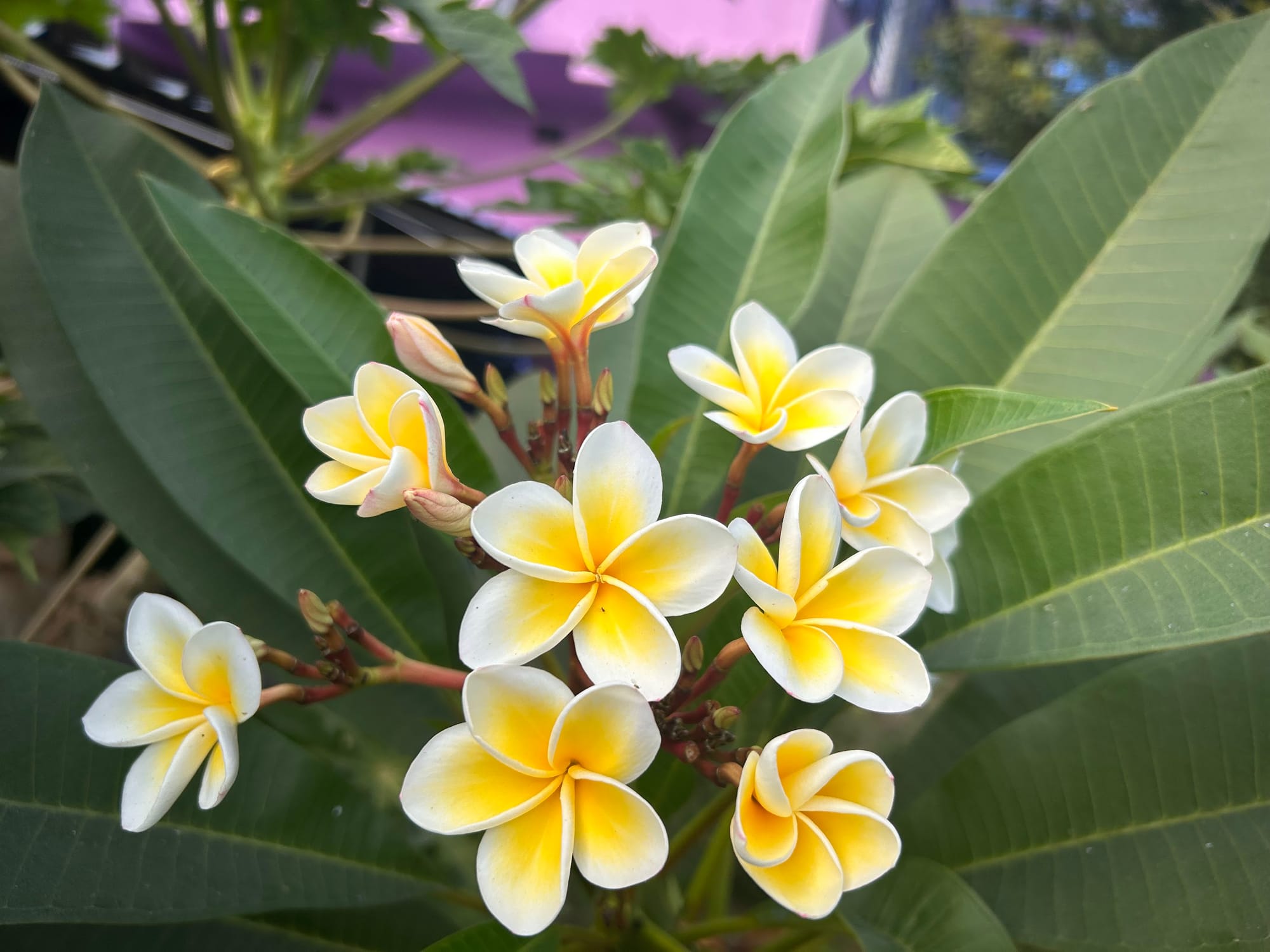
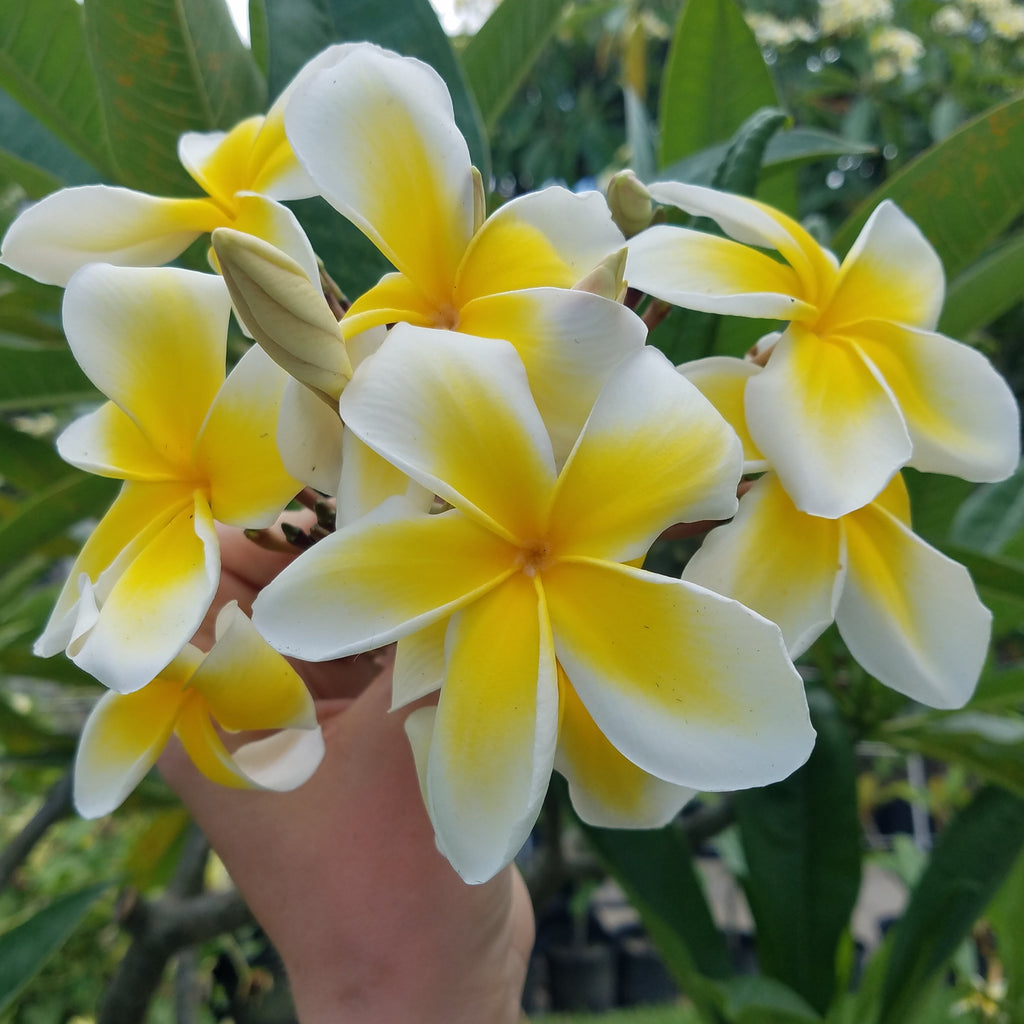
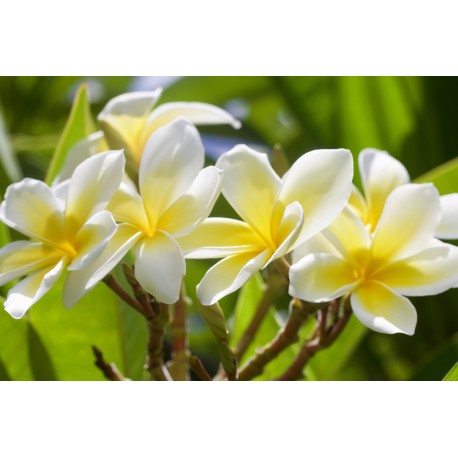
I remember when I planted my first ‘Celadine’ — I picked it because I’d smelled that strong lemon-citrus fragrance at a local Florida nursery and thought “that’s going to be the one.” It didn’t disappoint. In my South Florida part-sun yard it took off fast. The bright yellow blooms with a white petal margin were flashy and consistent. According to the nursery profile, Celadine is “easy to grow and very vigorous.” floridacolorsplumeria.com
Practical tip: When planting ‘Celadine’ in Florida, choose a site with full sun (at least 6-8 hours) and excellent drainage. I mixed some coarse sand and organic compost into the hole. Overwatering early on caused some leaf yellowing — so I decided, deeper but less frequent watering is better once established.
Growing & caring insights:
- Because Florida soil (especially in coastal zones) can be heavy in sand or compacted, ensure the root zone is well-amended.
- In summer you’ll see flushes of bloom — to encourage more, I fed with a balanced fertilizer (high in phosphorus) every 6-8 weeks. (See fertilizing notes below.)
- If you live outside the warmest zones, I’d recommend planting where afternoon shade offers some protection from intense sun.
- For more detail on general planting and care, check out the UF/IFAS guide on plumeria. Gardening Solutions+1
2. Plumeria ‘Singapore White’ (Plumeria obtusa)


6
In a smaller garden area I tried a ‘Singapore White’ (also known as Plumeria obtusa) because space was tight. I liked that its leaves are glossy and the overall shape is more compact compared with the tall tree-types. According to sources, P. obtusa is naturalized in Florida and has compact habit. Wikipedia+1
Practical tip: Choose this variety if you have limited space or want a container plant. I kept mine in a 20-in diameter pot for the first two years. I found that planting it during spring gave it a full growing season before winter dormancy. I also shielded it from strong winds (as the glossy leaves sometimes tore in storms).
Growing & caring insights:
- Still give at least 6 hours of direct sun — bloom performance depends on it. floridacolorsplumeria.com
- Because I had it in a pot, I made sure the pot had plenty of drainage holes and elevated it slightly so it didn’t sit in water after heavy rain.
- One cross-reference: for container winter care of plumeria, look up indoor overwinter guidance for plumeria.
- I also pruned lightly after a frost event (yes, I got one!) to remove damaged tips — plumeria will resprout if the trunk stays alive. What’s Happening Around Florida
3. Plumeria ‘Aztec Gold’ (Sun-loving, salt-tolerant choice)


6
For a spot in my yard that gets full southern exposure and occasional salt spray (because I’m near the coast), I chose ‘Aztec Gold’. It’s a cultivar listed by Florida Colors Nursery as a favorite for such conditions. floridacolorsplumeria.com
Practical tip: Because this site was broader open and exposed, I made sure the plant had some wind protection while it was establishing. After year two it really settled in. I used a slow-release fertilizer early in the season to give it that initial boost.
Growing & caring insights:
- Full blazing sun (6–8+ hours) is essential for best blooms. If the sun is weaker, you’ll notice fewer inflorescences. floridacolorsplumeria.com
- The drainage must be excellent — in coastal soils you often get sandy or even pure sand. While plumeria tolerate poor soils, they don’t like to stay wet. In fact one gardener on Reddit noted: > “It’s under watered because it’s in full sand. Sand doesn’t retain moisture very well and the plumerias I’ve grown have been thirsty during the growing season.” Reddit
- Because of the sun intensity, I monitor leaf scorch. If the sun is brutal, a little afternoon dappled shade helps.
4. In-Ground vs Container: Which fits your Florida situation?


6
In my first year of growing plumeria I planted in ground — but later I shifted to a mixture: some in ground in the warmest parts of my property, others in containers that I could move. Why? Because Florida has micro-climates, and if you’re north of zone 10B, winter cold or sudden frosts can be a risk.
Practical tip:
- If you’re in South Florida (zones 10B-11), you’re in ideal territory for plumeria in ground. Gardening Solutions
- If you’re in Central Florida, or have cold dips, go container so you can protect or move the plant.
- For containers, my rule: pot at least 2 inches larger than the root ball, keep soil mix light and well-draining, and in fall reduce watering to let the plant enter dormancy.
Growing & caring insights:
- In-ground plants: Give them size — they can become shrubs or small trees (6-25 ft tall/spread) depending on cultivar. What’s Happening Around Florida+1
- Container plants: Monitor root zone temperature, isolate from freeze drafts, and reduce watering heavily when plant is dormant. I’ve found that moving pots up onto bricks (so off the cold ground) helps in chill nights.
- Drainage is non-negotiable. Wet, soggy conditions in Florida lead to root rot easily — especially for plumeria.
5. Seasonal & Regional Care Notes (Sun, Soil, Water, Fertilizer)
6
To be fair, growing plumeria is not completely “set it and forget it.” I’ve learned some seasonal rhythms in Florida that matter.
Sun & Climate:
- Plumeria need at least 6-8 hours of full sun for best blooms. Less sun = fewer flowers. floridacolorsplumeria.com+1
- They are tender to frost. UF/IFAS notes they are best in zones 10B-11; central Florida gardeners do grow them but accept risk of damage from cold snaps. Gardening Solutions+1
- They are fairly drought- and salt-tolerant once established. Gardening Solutions
Soil & Drainage:
- Well-drained soil is essential. I’ve amended sandy Florida soils with organic matter but still ensured quick outflow.
- Soil pH for best performance is about 6.5 to 7.0. If your soil is too acidic or alkaline, consider amendments. Council-Oxford Inc.
- If in a low-lying or heavy clay yard, consider a raised bed or mound for your plumeria so roots don’t sit in water after storms.
Watering:
- My best tip: adopt a “drench and then let dry somewhat” approach. Too much constant wetness = root issues. Too little early establishment = stress.
- One article states: “first irrigate deeply, then allow to dry.” Garden Vive
- In summer I might water 2-3 times a week (depending on rainfall). In winter I cut back heavy.
- For containers: check that the top few inches of soil are dry before watering.
Fertiliser:
- Plumeria bloom best when fertilizer has higher phosphorus (middle number) rather than high nitrogen (which makes lots of foliage but fewer flowers). floridacolorsplumeria.com+1
- I usually feed once in early spring, then again mid-summer. Cease fertilizing 4-6 weeks before dormancy in fall.
- Organic compost helps, but avoid over-applying nitrogen-rich feed. One gardener cautions: “If you overapply, you can face curling leaves.” Garden Vive
Seasonal Cautions:
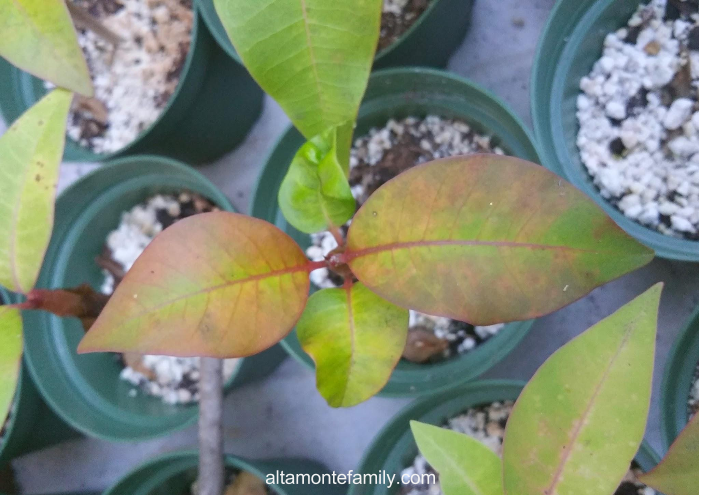
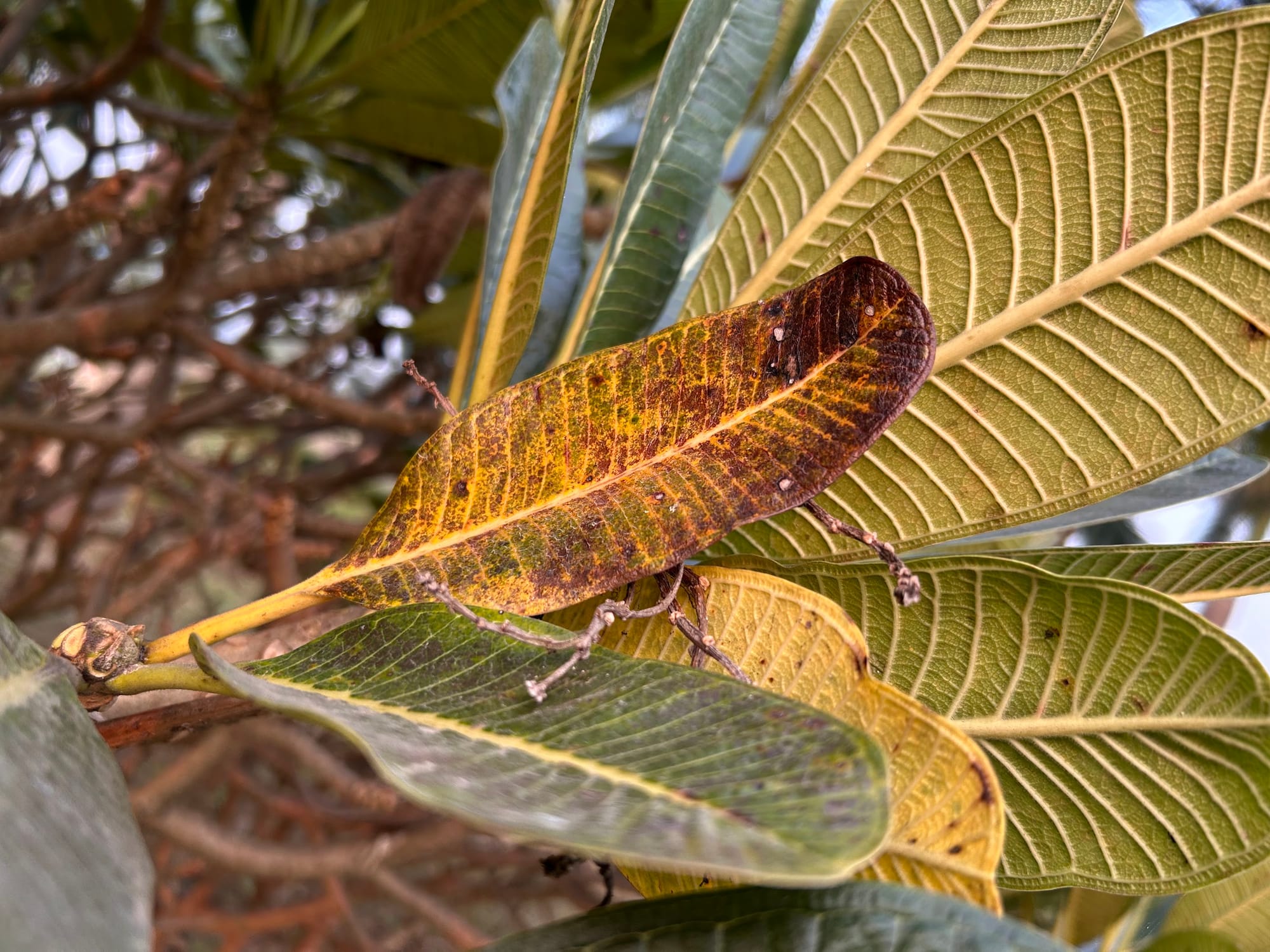
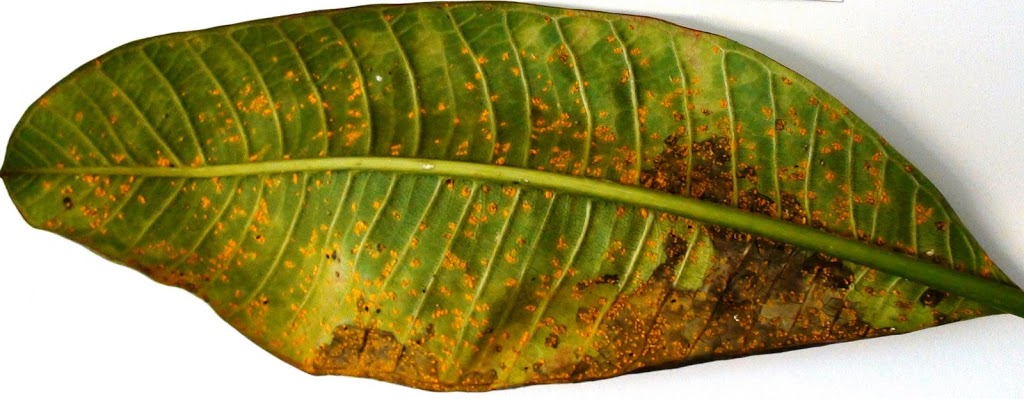
- Watch for the fungal disease rust: leaves may develop orange spots underside. UF/IFAS advises removing dead leaves in fall and improving air circulation. Gardening Solutions
- The sap of plumeria is irritating (to skin or eyes). While not highly poisonous, I wear gloves when pruning or handling bare cut stems. Gardening Solutions
- If you are in Central or North Florida, plan for occasional freeze-protection: move container plants, cover in ground plants, prune damaged parts afterwards.
Helpful Notes & Expert Advice
Here are some extra nuggets from my experience and from trusted sources to help you fine-tune your plumeria success in Florida:
- Micro-climates matter. Even in Central Florida, if you have a south-facing wall, heat-retaining pavers, or shelter from wind, your plumeria might do much better than the “average” zone map suggests. UF/IFAS mentions urban heat islands may allow plumeria slightly outside the ideal zones. What’s Happening Around Florida
- Selecting the right variety for your goal. If you prioritize fragrance above all, choose a cultivar known for scent (e.g., ‘Celadine’). If you have limited space, pick a compact type (e.g., ‘Singapore White’). If you live by the coast, pick salt-tolerant full-sun performers (e.g., ‘Aztec Gold’).
- Pruning & shaping. When your plumeria is mature, prune during spring before the flush of growth. Remove dead/weak branches, shape the canopy so air circulates well. This reduces pest and disease pressure.
- Propagation tip. Plumeria are easy to root from cuttings in Florida’s warmth: take a mature branch in the dry season, allow the cut end to callus for a week, then plant in well-drained mix. This method is described in general on the plumeria genus page. Wikipedia
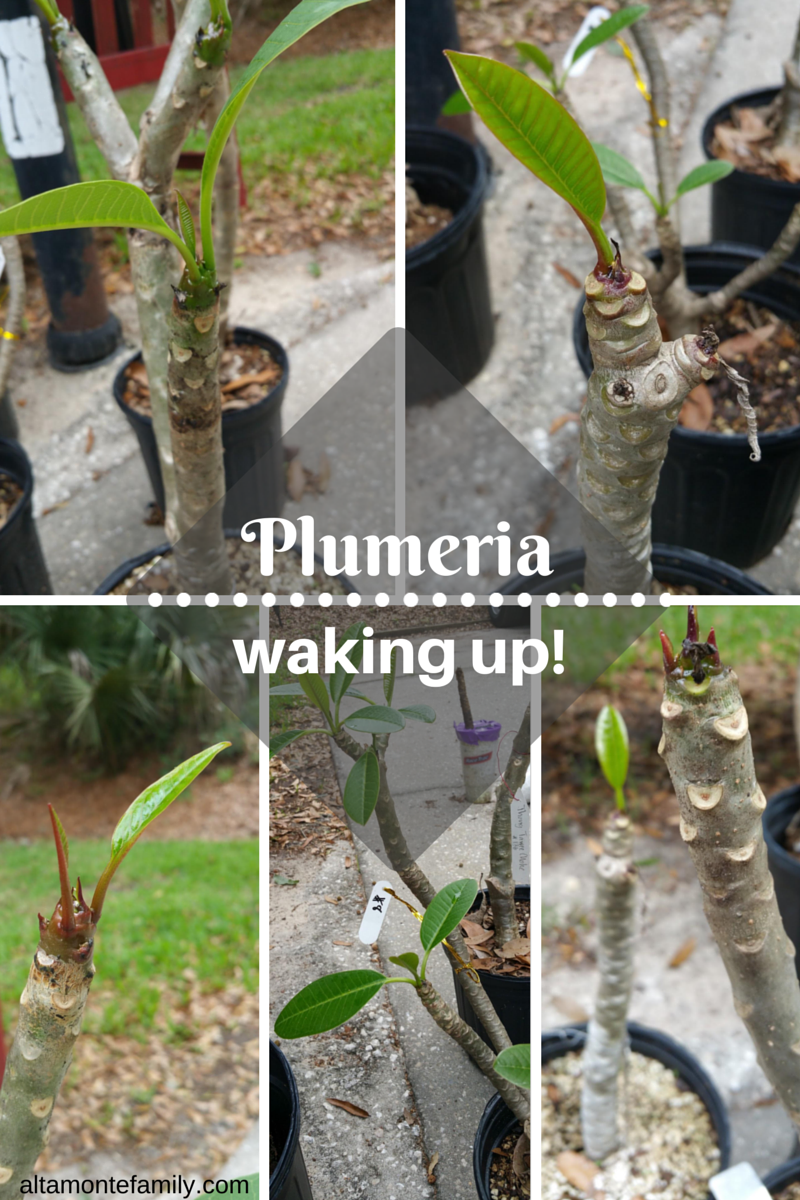
- Winter care (versus growth season). Understand that even in Florida many plumeria go semi-dormant in winter: fewer leaves, perhaps bare stems, minimal growth. This is perfectly normal. UF/IFAS notes that many plumeria lose leaves in winter and resprout in spring. Gardening Solutions
- Container vs in-ground decision tool: If your plant is in a container and you expect temperatures below ~50°F (10°C), bring it into a garage or protected spot. Many Florida growers in the “I-4 corridor” do this. floridacolorsplumeria.com
- Pests to watch for: Mealybugs, scale, spider mites — especially if the plant is stressed (too much shade, poor drainage). A simple horticultural soap spray can help. floridacolorsplumeria.com
- Safety & children/pets: The sap of plumeria is mildly irritating; keep curious hands and paws away from fresh cuts. UF/IFAS emphasizes this. Gardening Solutions
Conclusion
Thank you for letting me share my plumeria journey with you — I hope you feel encouraged and ready to add these tropical beauties to your own Florida yard. Honestly, nothing beats that first whiff of fragrance early in the evening, or seeing the bright yellow/pink/white blooms waving in the warm breeze.
If you plant a plumeria this season, I’d love for you to think of me — Vehicle Answer — cheering you on. Drop a comment or photo when yours blooms, okay? And if you’d like more tropical-plant inspiration, watering schedules, or trouble-shooting guides, be sure to subscribe or follow along.
From my garden to yours: may your plumeria take root, flourish, bloom with abandon, and fill your space with that island-style magic. I can’t wait to hear how it goes!