

A gardener’s firsthand look at frangipani woes and wins
Believe me, when I first brought home my (and yes—I’ll call it mine) beautiful Plumeria rubra (a.k.a. frangipani) tree, I saw those glossy green leaves and gorgeous blossoms and thought, “How hard can it be?” I figured: just sun, a little water, and I’m set. But soon enough, the leaves started acting up.
Preferences in gardening vary so much: some folks just want colour, others want fragrance; some prefer low-maintenance brilliance and others are willing to budget time for high performance. In my case, I wanted both—the fragrance, the bloom, and the trouble-free growth. To be fair, that’s a tall order.
Over the years, I’ve had to deal with several disease problems on my plumerias (and trust me, I’ve made every newbie mistake). What began as confusion over brown spots or yellowing leaves turned into a kind of detective work: “What’s wrong now?” “Why is it curling?” “Is that fungus, or just dormancy?”
In this article I’ll walk you through everything I’ve learned about plumeria diseases—what they look like (yes: pictures), what causes them, and how to treat them. If you’re here because your frangipani isn’t looking its best, you’re in the right place. Let’s get down to earth (and leaves).
Quick Comparison Table: Common Plumeria Diseases & Essentials
Here’s a handy summary table of the major trouble-spots I’ve come across on my plumerias, with key features you’ll want to check.
| Disease/Issue | Most Likely Region or Use | Symptoms / Height of Concern | When / Season | Distinctive Feature / What to Look For |
|---|---|---|---|---|
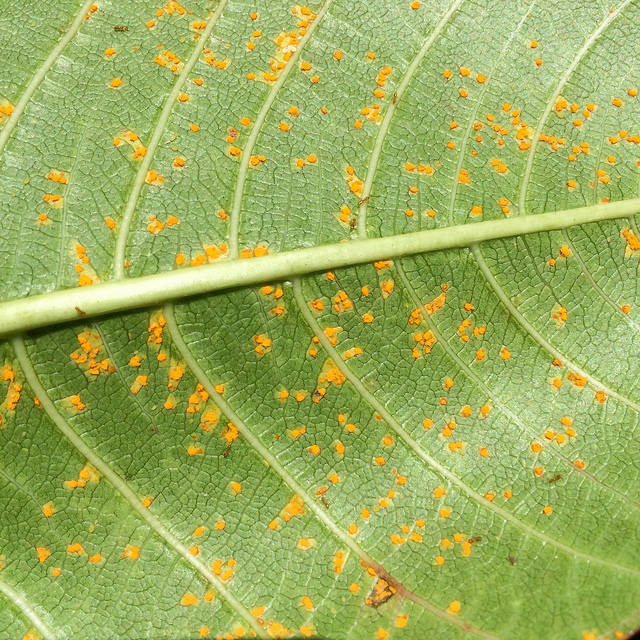
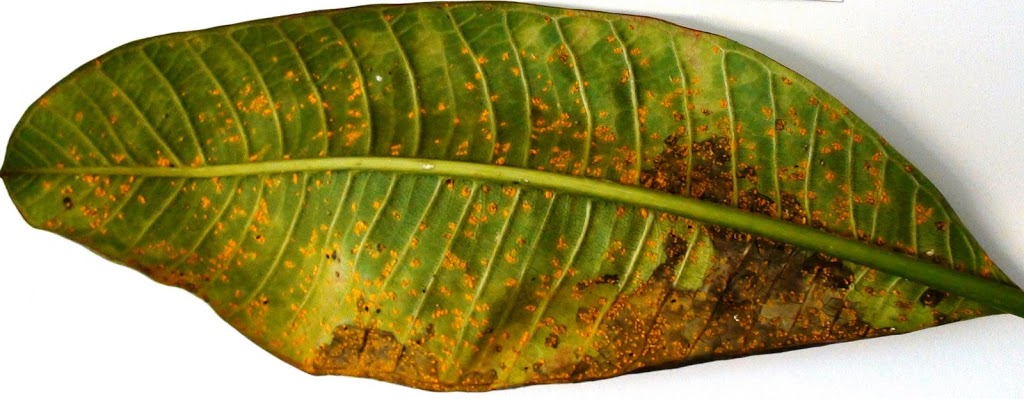
| Plumeria Rust (fungus) | Humid, warm tropical zones | Leaf yellowing → spots → drop | Wet season, humid | Yellow specks above, orange pustules underside |
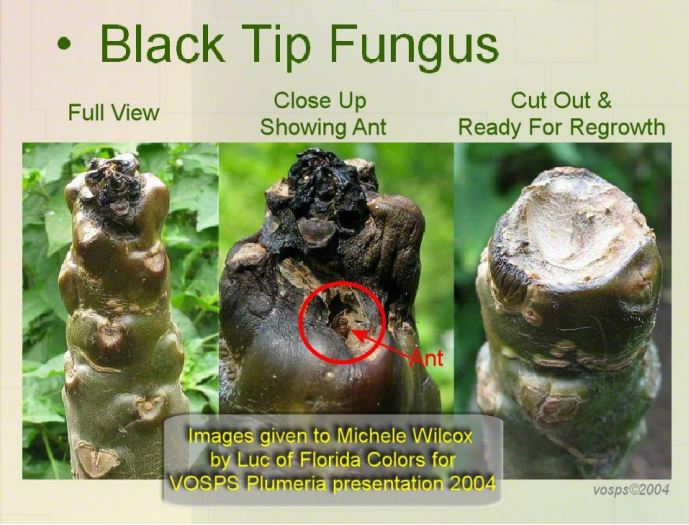
| Black Tip Fungus | Regions with cold nights + humidity | Blackened tips of branches/leaves | Early spring, after cold | Dark tip death, new shoots from sides |
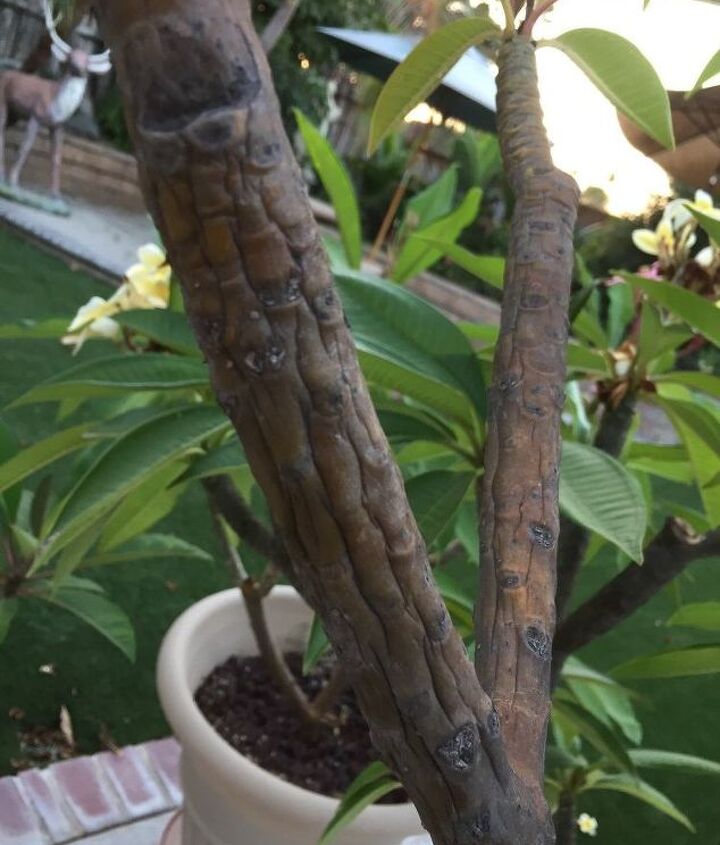
| Stem Rot / Root Rot | Pot culture or heavy soils | Wilting, mushy stems/roots | After heavy rain / winter | Soft base, rotting core, mushy roots |
| Leaf Spot Diseases | Any plumeria in crowded/shady area | Brown/black spots, halos | Warm humid seasons | Circular spots on leaves, maybe yellow halo |
| Powdery Mildew | Shady, humid, poorly ventilated spaces | White/gray flour-like coating | Late season | Leaf surface looks dusted; older leaves affected |
| Curling Leaves (Pest/Stress) | Any region; pot or garden | Leaf edges curl inward/outward | When pests appear / stress | Mealybugs/aphids + leaves curling, honeydew etc. |
| Yellow Leaves (nutrient/water) | Overwatered or underfertilized areas | Pale yellow leaves, maybe drop | Rainy season / dormancy | Yellowing begins bottom, check soil & watering / dormancy |
This table is based on my own observations plus solid reference material. I found a great breakdown at the Florida Colors Nursery site on common plumeria diseases (and their causes) which helped me a lot. floridacolorsplumeria.com
Also, a clear overview of the “leaf yellowing” and “brown spots” issues helped me not panic when symptoms showed up. Garden Vive+1
Now—let’s go in depth into each of these, sharing what I experienced, what worked (and sometimes what didn’t).
1. Plumeria Rust

6
When I first saw yellow specks on the top of a frangipani leaf and flipped it over only to find bright orange pustules underneath, I thought “Uh-oh, this is serious”. The culprit: the fungus Coleosporium plumeriae. CTAHR+1
My personal observation: The tree had been in a semi-shade spot, moisture lingered from rain, and airflow was poor. The upper leaves had small yellow patches; underneath you could see the orange powdery lesions. Leaves began dropping. I immediately pulled the plant into sun and improved ventilation.
Practical tip: Remove all fallen leaves (don’t compost them!). Prune the canopy to open it up. Avoid overhead watering. I used a copper-based fungicide and observed improvement after 1–2 sprays. Gardening Know How
Growing/care insight: Once the rust takes hold, it can spread quickly in humid environments (depending on cultivar). According to the University of Hawai‘i research, leaves can fall within two months. CTAHR
If you want to dive deeper into leaf disease visuals, here’s a helpful companion article: see “Why plumeria leaves turn yellow and treatment” for overlap with yellowing issues (linked within my article).
2. Black Tip Fungus


6
This one hit me after a cold snap followed by humid nights. One branch tip looked blackened, dead—new shoots started side-branching out. I had to double-check: was it frost damage or fungus? Turns out, often both.
My personal observation: A branch tip turned black on the end, leaves died back. I pruned it several inches below the affected area and treated with a broad-spectrum fungicide. I also relocated the pot so it would drain faster and get more sun.
Practical tip: When you see black tips, cut well into healthy wood (white sap should still flow). Then improve airflow around the plant, reduce humidity, and apply fungicide. According to one guide: “Once the tip is dead, new shoots will grow sideways—so prune sharply.” plumeriatoday.com
Care insight: This issue underscores how important location, drainage, and environment control are. Especially in container culture, I found that too much winter moisture + shade = trouble.
3. Stem Rot & Root Rot


6
I’ll be honest: this one scared me. I found one plumeria pot where the base felt soft and mushy. The leaves were yellowing, wilted. I lifted the pot—roots black, slimy. A potentially fatal situation if ignored.
My personal observation: I had placed the pot in a low-lying spot where water pooled after rain. My watering schedule had been “when it looks dry”—but apparently not dry enough. The combination of excess moisture + shady spot did me in.
Practical tip: Use a fast-draining potting mix (perlite, sand, bark) and avoid water-logging. Elevate pots if needed. If you detect rot, cut back to healthy tissue, let dry, maybe repot with fresh media. One source warns: “There is no effective treatment once stem rot is established.” paliplumies.com+1
Care insight: Prevention is everything here. For root/soil-based diseases, you’re working before symptoms really show. In my setup I now always use free-draining mix, avoid letting the base sit in water, and keep plants in full sun with plenty of circulation.
4. Leaf Spot Diseases


6
These were less dramatic than rust or rot, but they’re annoying: little brown or black spots on leaves, sometimes a yellow halo. If you ignore them, leaves drop and the plant weakens.
My personal observation: I had a plumeria in partial shade, where humidity lingered; the leaves developed scattered spots. At first I thought it was water-splash damage. But when I checked, multiple leaves had distinct spot patterns. I removed the worst leaves, improved sun and airflow, and stopped fertilising temporarily (excess N can worsen foliage disease).
Practical tip: Regularly inspect leaves. Remove those with intense spotting. Don’t overhead water—use drip or water base. I used a fungicide compatible with flowering trees when the spotting spread. One article lists leaf spot pathogens in plumeria. floridacolorsplumeria.com
Care insight: Even though leaf spot doesn’t always kill the plant, it can undermine bloom performance and energy. Good hygiene (clean fallen leaves, avoid crowding) matters.
5. Powdery Mildew


6
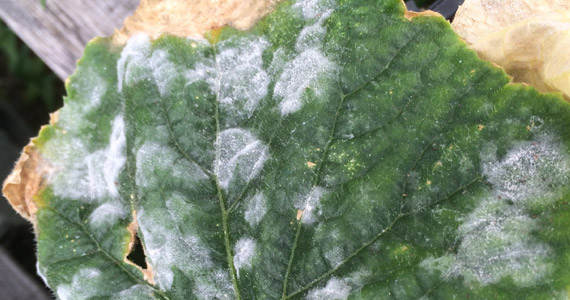
This one was a surprise—honestly, I rarely expected to see powdery mildew on my frangipanis, but under certain conditions (shade, high humidity, low airflow) I did. According to a source: “plumeria that grow in crowded, humid or shaded conditions are susceptible.” plumeriatoday.com
My personal observation: A younger plant under a big tree never quite dried off in morning. Leaves looked like someone sprinkled flour on them. I moved it into brighter sun, trimmed surrounding vegetation, and used a homemade baking soda spray (1 tbsp baking soda + ½ tbsp dish soap in ~2.5L water). It helped. Garden Vive
Practical tip: If you spot powdery “white dust” on leaves, act quickly. Remove heavily infected leaves. Improve ventilation. Use safe fungicide or baking soda solution. Avoid overhead watering late in the day so leaves aren’t damp overnight.
Care insight: Mildew may not always kill your tree but it does sap its strength and can suppress blooms. Think of it like batting against something small that adds up.
6. Curling Leaves (Stress / Pests)

6
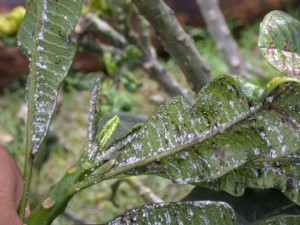
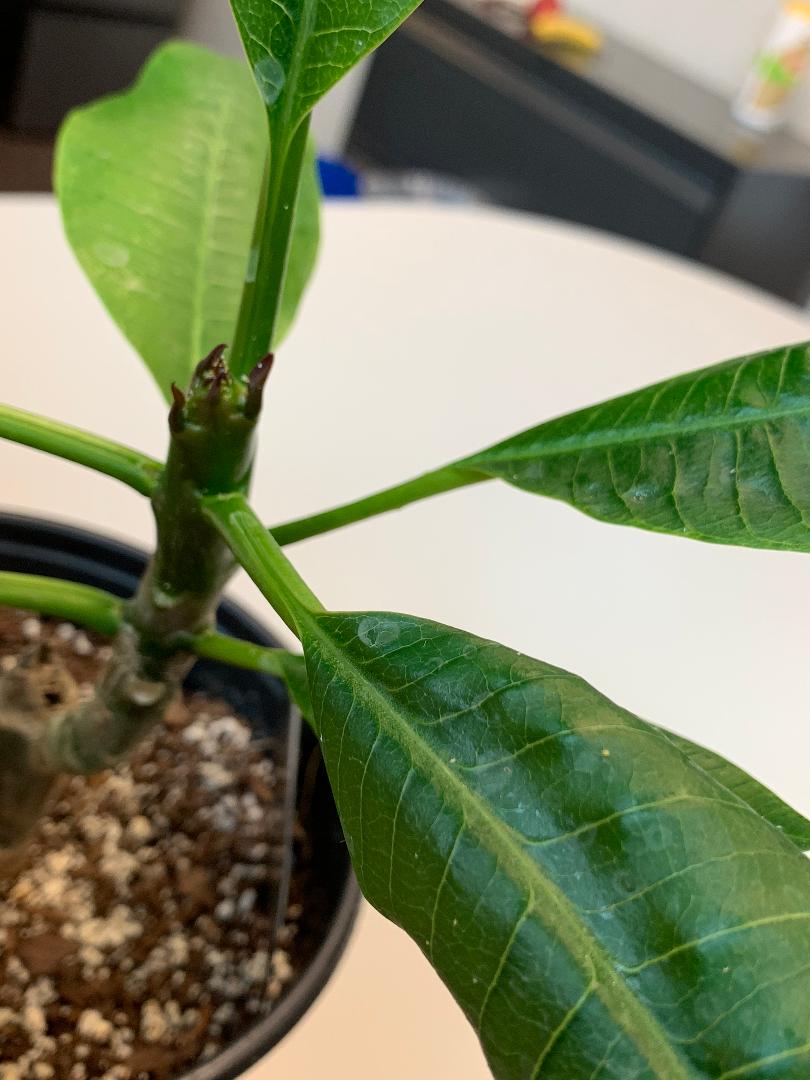
Here’s the weird one: curling leaves can mean many things. In my case I found white fuzzy patches (mealybugs) in leaf axils. Other times it was drought stress. The trick is identifying the root cause.
My personal observation: One time I noticed new leaves curling inward. I checked: found some tiny white cottony masses (mealybugs) around the stems. I physically removed them, sprayed horticultural oil, and trimmed. After a week, the curl stopped.
Practical tip: Inspect leaf undersides, leaf axils, and stems. If you see pests (aphids, mealybugs), treat accordingly (wipe, spray). If no pests, check watering and nutrient levels: too much/too little can cause curl. Source advice: see pest list for plumeria. floridacolorsplumeria.com+1
Care insight: Curling leaves are like your plant’s SOS signal. It may not be a disease yet—but if you ignore it, disease or decline might follow.
7. Yellow Leaves (Water, Nutrient, Dormancy)


5
This one hit me several times—especially when rainy season rolled in, or when I over-fertilised. But sometimes it was normal dormancy. Distinguishing which was key.
My personal observation: One rainy season, my potted plumeria’s leaves began turning pale. I panicked thinking disease—but then realised the soil was soggy, drainage poor, and the plant was getting too much nitrogen. I adjusted: stopped fertiliser for a month, improved drainage, and leaves regained green. On another winter I saw leaves yellowing—turned out the tree was going semi-dormant, and it was normal. Garden Vive
Practical tip: Test the soil moisture and drainage. If the base is mushy, treat like root/soil disease. If it’s wintering-down, just leave it and reduce watering. If it’s nutrient-deficiency, use balanced fertiliser (lower N, more K).
Care insight: Yellow leaves often feel like disease but may just be cultural. I now keep an eye on seasonal changes, soil moisture, and nutrition so I don’t overreact.
Helpful Notes & Expert Advice
- Climate & region matters: In very humid tropical climates (like mine), fungal diseases (rust, mildew) flourish. The advice from Hawai‘i, for example, points to improving air circulation and using resist-cultivars. CTAHR+1
- Seasonal cautions: During rainy seasons, ensure good drainage; during winter or low-light periods, reduce watering and avoid fertilising heavily.
- Pot vs ground difference: Plumerias in pots are more prone to root/stem rot due to constrained drainage; ground planted trees have more buffer but can still get fungal or pest issues if environment is shady or stagnant.
- Sanitation is key: Remove fallen leaves, old flowers, infected debris. Disinfect tools between plants if you treat one diseased tree. I’ve accidentally spread rust between two trees in the same row by not cleaning my pruners.
- Don’t ignore mild symptoms: If you see a tiny spot or a curling leaf, address it early; small issues often escalate.
- Recognise plant dormancy vs disease: Plumerias naturally slow down, drop leaves, or yellow when going into semi-dormancy (especially in cooler/winter climates). Don’t assume every yellow leaf is disease.
- Safety with treatments: If you use fungicides or oils, follow label instructions. For more organic gardeners like me, baking-soda sprays, horticultural oils, neem oil are gentler options.
- Choose the right location: Full sun, good airflow, well-draining medium—these aren’t optional if you want a healthy plumeria. I repositioned one tree and it visibly improved within weeks.
- Cultivar resistance: Some varieties are more resistant to rust or other pathogens. If you’re in a high-risk region, consider sourcing a cultivar known for better disease resistance. CTAHR
Conclusion
Thanks for sticking with me through this deep dive into plumeria diseases. I’ve shared my own experiences, yes—those moments of “Why are my frangipani leaves doing that?”—so you don’t have to learn the hard way as I did. Honestly, nothing beats watching a healthy plumeria burst into bloom and fill your garden with scent.
If you found this article helpful, I’d love if you’d subscribe for more gardening stories, tips and maybe a few fails (so you can laugh with me instead of at me). Want to explore more? I’ve got other posts on plumeria propagation, bloom boosting, and companion planting too—just browse through my blog.
Your garden is your kingdom—and I’m just your fellow gardener, sharing the wins and the mess-ups. Feel free to drop me a comment if you’re facing a specific plumeria issue (with pictures if possible!), and I’ll try to help. Here’s to many fragrant blooms ahead!