

I spent three seasons watching my roses struggle before I finally got it right. Yellow leaves. Sparse blooms. Spindly canes that looked more sad than stunning. Honestly? I almost pulled every last one out. Then I stopped overcomplicating everything and started focusing on the basics that actually move the needle. This is how to grow roses without the drama, based on what worked in my own yard.
You want reliable flowers. You want healthy plants that don’t demand daily babysitting. I get it. I was right there with you. The good news is roses are tougher than most people claim. Once you match the plant to the spot and stick to a simple routine, they reward you hard.
Choosing the Right Rose for Your Space
I used to grab whatever looked pretty at the nursery. Bad move. The first step is matching the rose to your climate, sunlight, and how much time you actually want to spend.
Modern shrub roses and landscape types like Knock Out or Drift varieties forgave my early mistakes. Hybrid teas need more attention. Climbing roses want a structure to lean on. Miniatures fit pots if space is tight.
Check the hardiness zone on the tag. Plant something rated for colder winters than you get and you set yourself up for loss. I learned that the expensive way one February.
Look for disease resistance on the label. Black spot and powdery mildew love weak plants. Choosing resistant varieties cut my spraying time in half.
IMO, start with one or two proven performers instead of a mixed bed of high-maintenance divas. Build confidence first. Then expand.
Getting the Soil and Spot Dialed In
Roses need sun. At least six hours of direct light most days. Morning sun is gold because it dries the leaves fast and lowers disease risk. Afternoon shade helps in hot climates. I moved two bushes from a shady corner to a south-facing bed and the difference showed up within weeks. More blooms. Stronger growth.
Soil matters more than most beginners realize. Roses prefer well-drained, slightly acidic ground around pH 6.0 to 6.5. Heavy clay holds too much water. Pure sand drains too fast. I dug in a few inches of compost and aged manure across the whole bed, not just the planting hole. That single change improved everything.
Test your soil if you can. Local extension offices often do it cheap. Add organic matter either way. Raised beds work if drainage is terrible. I built two simple ones and never looked back.
Space the plants. Crowding invites problems. Leave two to three feet between most bushes so air can move.
How to Plant Roses Without Killing Them
Timing helps. Bare-root roses go in during dormancy, late fall through early spring depending on your zone. Container plants can go in almost any time if you water carefully. I prefer fall planting when the soil stays warm and roots settle before winter.
Planting Bare-Root Roses
Soak the roots in a bucket of water for a few hours or overnight. Dig a wide hole, about 18 inches across and deep enough for the roots to spread without bending. Make a small soil mound in the center. Set the plant on it so the bud union sits at the right height for your climate. In colder zones bury it an inch or two below the soil line. In warmer spots keep it just above.
Backfill with the amended soil. Firm it gently. Water deeply right away. Mulch after the soil settles.
Planting Container Roses
Water the pot thoroughly first. Dig a hole the same depth as the root ball and twice as wide. Ease the plant out. Tease any circling roots. Set it at the same level it grew in the pot. Fill, firm, water. Same mulch step.
I lost a couple of plants early on by planting too deep or too shallow. Now I measure. It takes thirty extra seconds and saves the bush.
Watering and Feeding Without Overdoing It
Deep and infrequent beats daily sprinkles. Roses want about one inch of water a week once established. I check the top two inches of soil. Dry? Water at the base until it soaks down. Morning is best so leaves dry before night.
New plants need more attention the first season. I watered every few days during heat waves until the roots took hold.
Feeding starts in spring when new growth appears. I use a balanced rose fertilizer or a slow-release formula according to the package. One application early, another after the first big flush of blooms for repeat flowerers. Skip feeding late in the season so the plant hardens off for winter.
Mulch does double duty. A two-to-three-inch layer of compost or shredded bark keeps moisture even and cuts weeds. Keep it a few inches away from the canes so the base stays dry.
FYI, banana peels and coffee grounds get tossed around online as miracle boosters. I tried both. They don’t hurt, but they never replaced a proper feed for me.
Pruning for Shape and More Flowers
Pruning scared me at first. I thought one wrong cut would ruin the plant. Wrong. Most modern roses respond well to a good haircut.
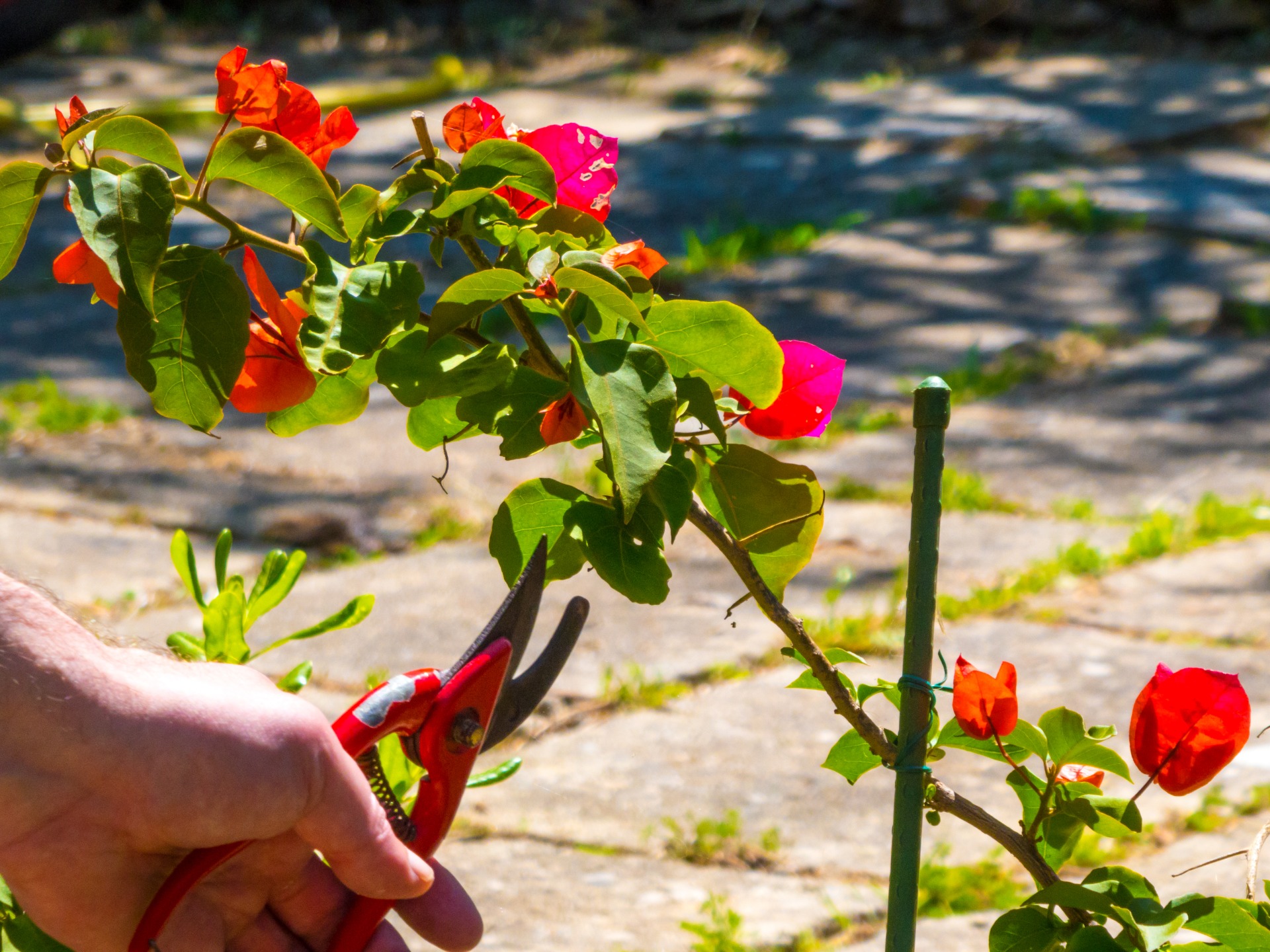
Do the main prune in late winter or early spring when buds start to swell. Remove dead, damaged, or crossing canes first. Cut them clean at the base. Then reduce the remaining canes by about one-third to one-half. Aim for an open vase shape so light and air reach the center. Make cuts at a slight angle about a quarter-inch above an outward-facing bud.
Once-blooming old garden roses get pruned right after they flower. Ramblers too.
Deadheading keeps repeat bloomers producing. Snip spent flowers back to a strong leaf. I do this every week or two during the season. It takes minutes and pays off in extra flowers.
I used to leave spent blooms because I felt bad cutting them. The plants looked tired. Regular deadheading changed the whole display.
Handling Pests and Diseases Before They Take Over
Aphids show up first most years. A strong blast of water from the hose knocks them off. Ladybugs help if you have them. I avoid broad sprays unless numbers explode.
Black spot starts as dark circles on leaves. Remove infected foliage fast and bag it. Don’t compost it. Improve airflow and water at the base. Resistant varieties plus good culture prevent most of it for me now.
Powdery mildew likes humid nights and dry days. Same fixes: air flow, morning water, resistant plants.
Japanese beetles can skeletonize leaves in a hurry. Hand-picking into soapy water works for small numbers. I check every evening during peak season.
Healthy plants fight better. Proper sun, water, and feed do more than any chemical for long-term success.
Seasonal Care That Keeps Them Going
Spring: Prune, feed, mulch, watch for early aphids.
Summer: Water deeply, deadhead, side-dress if growth slows, check for beetles and disease.
Fall: Stop fertilizing. Clean up fallen leaves. In cold zones, mound soil or mulch over the crown after the ground freezes for protection.
Winter: Leave the structure alone in mild areas. In harsh zones, protect the graft. I use rose cones or extra mulch on the tender ones.
Container roses need extra winter care. Move them to a sheltered spot or bury the pot if freezes are severe.
I keep a simple notebook. Planting date. First bloom. Any problems. It helps me spot patterns year to year.
Frequently Asked Questions
How often should I water newly planted roses?
Water every two to three days for the first six to eight weeks if rain is scarce. Keep the soil moist but never soggy while roots establish. After that shift to the weekly deep soak.
Can I grow roses in partial shade?
Some varieties tolerate four to five hours of sun, but expect fewer blooms and more disease risk. Full sun still produces the strongest plants in my experience.
What’s the best way to get more blooms from my roses?
Choose repeat-flowering types, feed at the right times, deadhead regularly, and give them full sun. Those four habits increased my flower count more than any fancy product.
Do I need to spray fungicides every year?
Not if you start with resistant varieties, space plants properly, and water at the base. I spray only when black spot shows up early and conditions favor it.
How long before a new rose produces good flowers?
Most give a solid show the second season. The first year focuses on roots. Patience pays off.
I still lose a plant now and then. Weather happens. Pests happen. But the overall picture looks nothing like those early discouraging years. Healthy canes. Repeated flushes of color. Fragrance that hits me every time I walk past.
Start simple. Pick a tough variety. Give it sun and decent soil. Water deep. Prune once a year. Deadhead. The rest follows. Your first real flush of blooms will make the early stumbles worth it. Go plant one this season. Then tell me how it goes.