

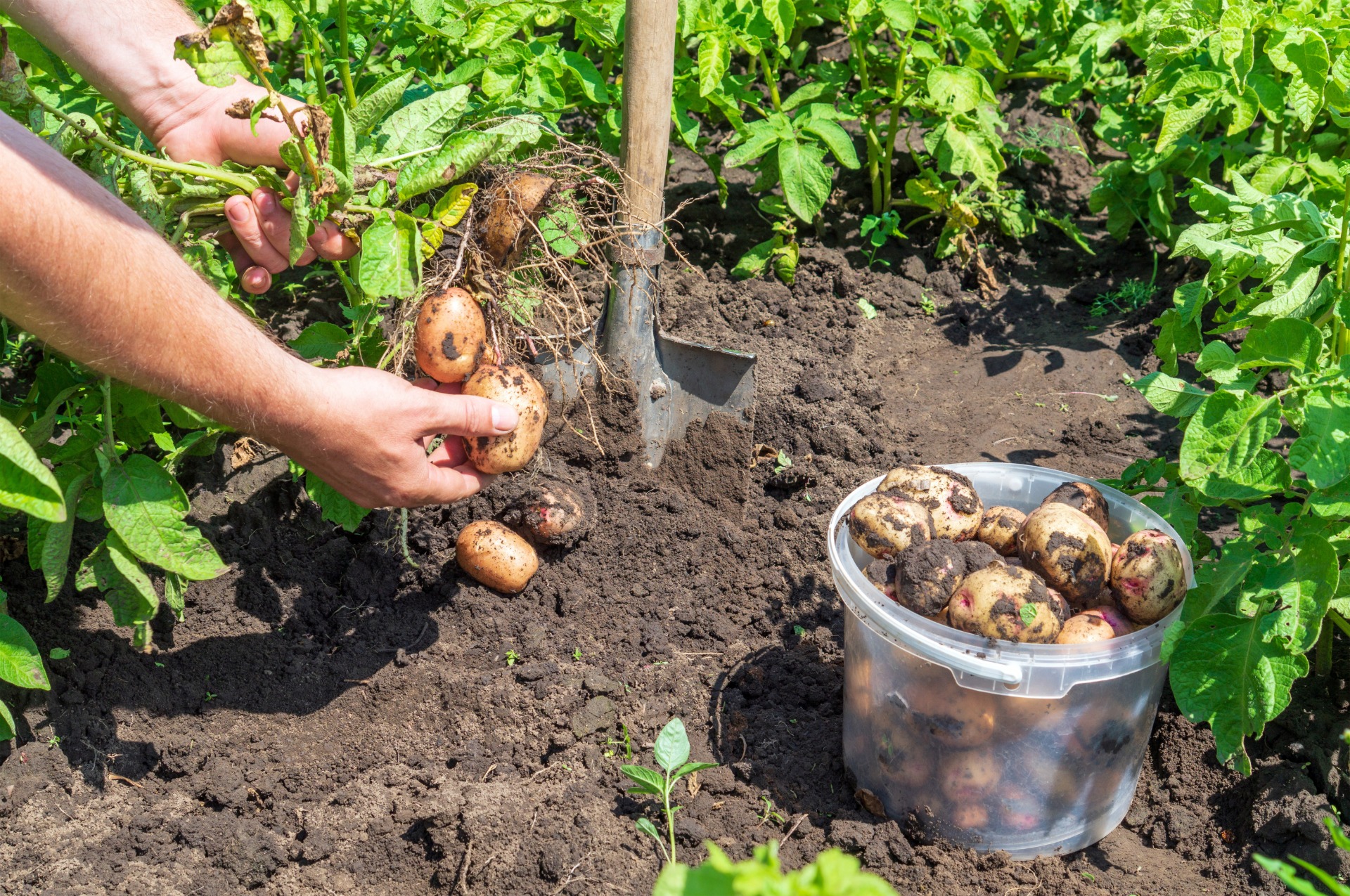
I started growing potatoes from potatoes years ago after a bag of grocery store spuds sprouted in my pantry and refused to quit. That first attempt taught me more about patience and soil than any seed catalog ever did. If you want a reliable way to turn one potato into a pile of fresh ones, this guide walks you through every step I actually use. Learning how to grow potatoes from potatoes works whether you have a backyard plot or just a few big containers on a balcony. I stick to methods that keep disease risk low and yields high.
Honestly? Most people overcomplicate this. You do not need fancy equipment or perfect weather. You need the right starting potatoes, decent drainage, and a willingness to hill soil a couple of times. I will show you exactly what I do each spring.
Why I Prefer Seed Potatoes Over Grocery Store Ones
See, the eyes on a potato are the whole game. Those little dimples hold the buds that become new plants. Any potato with healthy eyes can theoretically grow, but not every potato should go in your garden soil.
Certified seed potatoes come from growers who test for disease. They arrive untreated, so the eyes wake up when you want them to. Grocery store potatoes often get a sprout inhibitor sprayed on them. That chemical keeps them firm on the shelf and can slow or stop growth in the ground. They can also carry viruses or fungi that stay in your soil for years.
I tried store-bought ones my first two seasons. One batch produced a few small tubers. Another turned into a mess of soft rot after a wet week. Now I buy certified seed potatoes every time for the main crop. If I experiment with organic grocery spuds, I keep them in containers so any problems stay isolated. FYI, organic ones sometimes lack the inhibitor and sprout more readily.
Pick firm potatoes with multiple eyes. Soft or wrinkled ones waste your effort. Small ones the size of a golf ball or egg can go in whole. Larger ones need cutting.
Getting Your Potatoes Ready to Plant
I always chit my potatoes first. Chitting just means encouraging short, sturdy sprouts before they hit the soil. It gives the plants a head start and reduces the chance of rot in cool ground.
How I Chit Potatoes
I set the potatoes in an egg carton or shallow tray with the eyes facing up. A cool room with bright light works best. Aim for temperatures around 50 to 65 degrees Fahrenheit. Direct hot sun makes the sprouts leggy and weak. I leave them for two to four weeks until the sprouts reach half an inch to an inch long. Green, stocky shoots beat pale white ones every time.
Do not let the sprouts grow roots yet. Those break off easily when you plant.
Cutting Larger Potatoes
Once the sprouts look good, I cut any potato bigger than a golf ball into chunks. Each piece needs at least one or two eyes. I aim for pieces about two inches across. A clean, sharp knife matters here. Dirty tools invite infection.
After cutting, I let the pieces sit in a dry spot for two or three days. The cut surfaces form a protective callus. This step cuts down on rotting once they go in the ground. Small whole potatoes skip this step.
I plant when soil temperatures hit at least 45 degrees Fahrenheit at night and stay closer to 55 during the day. In my area that usually means two to four weeks before the last expected frost. Cold, soggy soil is the fastest way to lose seed pieces.
How to Grow Potatoes from Potatoes in the Ground
This is the method that fills my kitchen every summer. I prepare a sunny spot with loose, well-drained soil. Potatoes hate sitting in water. They prefer a slightly acidic pH between 5.0 and 6.5. I dig in compost the previous fall or early spring so the bed stays rich without heavy fertilizer later.
Planting Steps I Follow
- Dig a trench or individual holes four to six inches deep.
- Place each seed piece cut side down, eyes and sprouts pointing up.
- Space them 10 to 12 inches apart in rows that sit 30 to 36 inches apart.
- Cover with about four inches of soil or compost.
- Water gently so the soil settles without washing everything away.
Closer spacing gives more but smaller potatoes. Wider spacing grows fewer, larger ones. I usually go with 12 inches for a mix of sizes.
Keep the soil evenly moist but never soggy. Potatoes need about one inch of water per week once the plants emerge. In dry spells I water deeply once or twice a week rather than daily light sprinkles.
Hilling Is Non-Negotiable
When the green shoots reach six to eight inches tall, I start hilling. I pull soil from between the rows and mound it around the base of each plant. Leave just the top few inches of foliage showing. Repeat this every time the plants grow another six inches or so. Hilling keeps developing tubers covered and protected from light. Exposed potatoes turn green and bitter. Green ones contain solanine and should not be eaten.
I stop hilling once the plants begin to flower or when the mounds reach about a foot high. After that the plants focus energy on the tubers below.
Growing Potatoes from Potatoes in Containers
Not everyone has ground space. I grow plenty of potatoes in large pots and fabric grow bags on my patio. This method works especially well if you want to try grocery store potatoes without risking your garden beds.
Choose a container at least 10 gallons, preferably bigger. Drainage holes are essential. I fill the bottom third with potting mix or a blend of compost and soil. Plant the seed pieces six inches apart and cover with six inches of mix. Water thoroughly until excess drains out.
As the shoots grow, keep adding soil or mix so only an inch or two of foliage stays exposed. Containers dry out faster than ground beds, so check moisture every couple of days. I water when the top two inches feel dry. Full sun is still required. Six to eight hours minimum.
Container yields run smaller than in-ground ones for me, but the process stays simple and the harvest stays clean. No digging through rocky soil. Just tip the bag or pot over when the plants die back.
What Happens After Planting
The plants push up green stems and leaves quickly once the weather warms. Flowers appear after several weeks. That stage signals the start of tuber formation. Keep watering steady through flowering. Uneven moisture leads to cracked or knobby potatoes.
I watch for pests like Colorado potato beetles. Handpicking works for small plantings. If aphids show up I blast them with a hose. Disease shows up as yellowing leaves or black spots. Good air flow and avoiding overhead watering late in the day help a lot. Crop rotation matters too. I never plant potatoes in the same spot two years in a row.
Harvest timing depends on the variety. Early types finish in 70 to 90 days. Maincrop ones take 100 to 120 days or more. For new potatoes I dig carefully around the plants once the flowers fade. For full-size storage potatoes I wait until the foliage yellows and dies back completely. Then I stop watering for a week or two so the skins toughen.
I dig on a dry day with a fork, starting well away from the stems to avoid stabbing tubers. Brush off excess dirt and cure them in a cool, dark, humid spot for a week or two before long-term storage. A basement or garage that stays around 45 to 50 degrees works well. Keep them away from onions and apples.
Common Mistakes I Made So You Can Skip Them
I planted too early once and lost half the seed pieces to rot. Cold wet soil wins that fight every time. Wait for the right temperature.
I skipped hilling one year and ended up with a bunch of green, inedible potatoes. Cover those developing tubers.
Overwatering right after planting also caused problems. The seed pieces need moisture but not a swamp. Once plants establish, consistent water becomes more important.
Using the same soil year after year without rotation invited disease. I now move the potato bed every season or grow in fresh container mix.
IMO, the biggest beginner error is expecting grocery store potatoes to perform like certified seed. Sometimes they do. Often they do not. Start with good stock if you want reliable results.
Frequently Asked Questions
Can I really grow potatoes from potatoes I bought at the store?
Yes, you can grow potatoes from potatoes bought at the store if they have healthy eyes and have not been treated heavily with sprout inhibitors. I recommend containers for those trials to protect your main garden soil from possible disease.
How long does it take to grow potatoes from potatoes?
Most varieties take 70 to 120 days from planting to harvest, depending on the type and your weather. Chitting shaves a bit of time off the front end.
Do I need to cut the potatoes before planting?
Small ones under golf-ball size can go in whole. Larger ones should be cut into pieces with at least one or two eyes each, then left to dry for a couple of days.
What soil works best for potatoes?
Loose, well-drained soil with a slightly acidic pH gives the best results. Heavy clay needs compost mixed in to improve drainage. Potatoes rot easily in soggy conditions.
How many potatoes can I expect from one seed piece?
I usually get five to ten decent tubers per plant under good conditions. Yield varies with spacing, variety, and how carefully I hill and water.
Final Thoughts on Growing Your Own
I keep coming back to this crop because the process feels straightforward and the reward shows up right under the soil. One seed potato becomes a meal or two. A short row becomes weeks of dinners. The key stays simple: start with quality potatoes that have clear eyes, give them warm enough soil and steady moisture, and keep those developing tubers covered as the plants grow.
Try a small batch this spring. Use a couple of big pots if space is tight. Watch the sprouts emerge and the plants fill out. When you finally dig and pull up a handful of dirt-covered potatoes you grew yourself, the effort feels worth it. That first harvest still surprises me every year.