

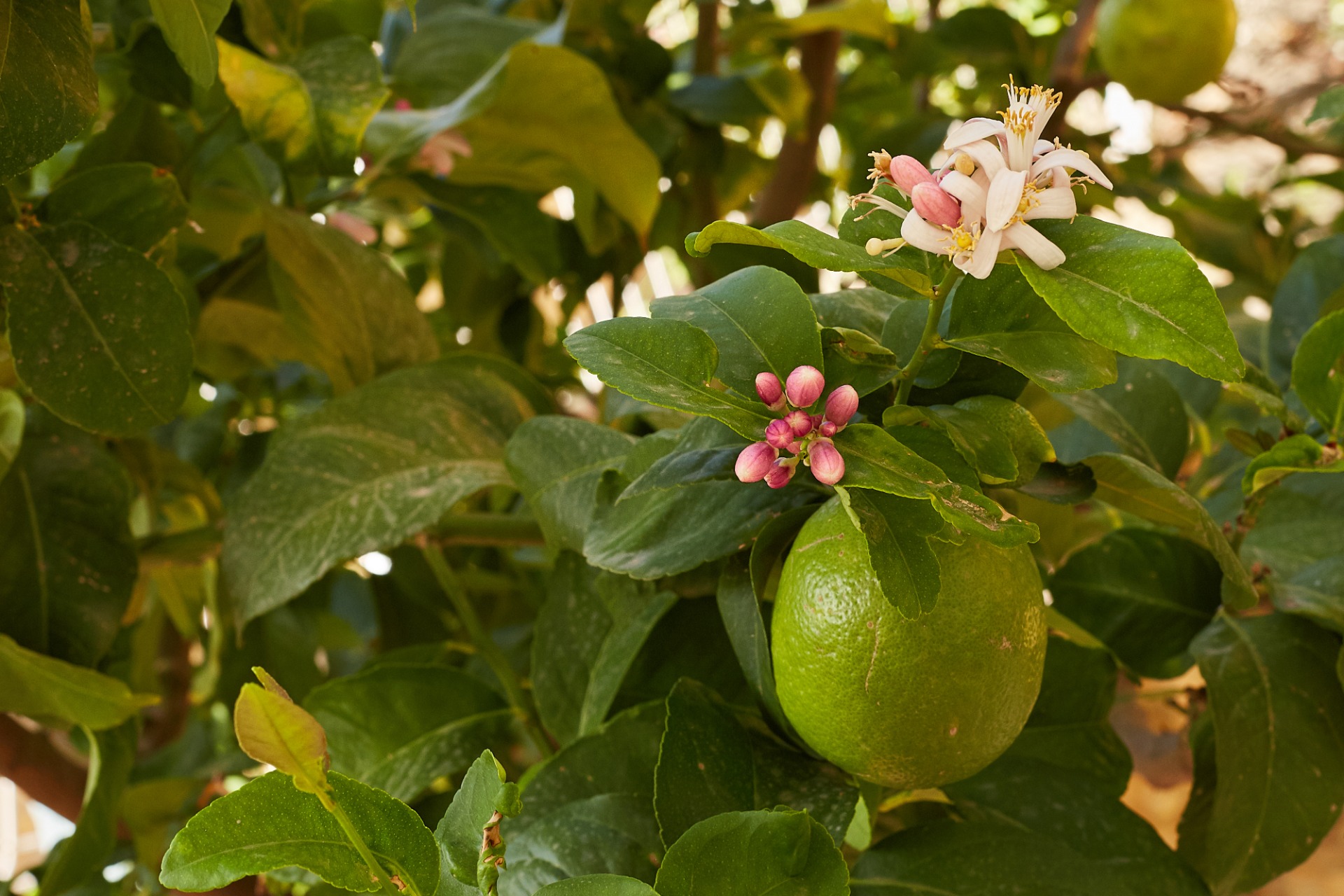
I decided to figure out how to grow lemons from seeds after one too many grocery-store lemons left me with a pile of plump seeds and zero plan. I was tired of tossing them. Honestly? I wanted something living on my kitchen counter that felt like a quiet win. So I started planting them. What followed was a mix of surprises, a few dead seedlings, and one stubborn little tree that still sits by my brightest window years later.
This is not a polished nursery manual. It is the version that actually worked for me, with the mistakes included. If you want a simple project that teaches patience and gives you a real citrus plant, keep reading. I will walk you through every step I took.
Why I Bothered Growing Lemons from Seeds in the First Place
Most people buy a grafted lemon tree. I get it. Those trees fruit faster. Mine from seed will take years. Some sources say seven. Others say closer to fifteen. I knew that going in. Still, the process hooked me. Watching a seed crack open and push up a tiny green shoot feels different from buying a finished plant. It feels like you earned the leaves.
I also like the fact that lemon seeds often carry more than one embryo. One can be a genetic mix. Another can be nearly identical to the parent. You never know exactly what you will get. That uncertainty is part of the fun for me. If you need perfect Eureka lemons on a schedule, buy a grafted tree. If you want a living experiment, seeds win.
Gathering the Right Seeds
Start with a fresh lemon. Organic is better. The treated ones from big stores sometimes refuse to sprout. I learned that the hard way. My first batch of non-organic seeds sat there for weeks doing nothing.
Cut the lemon carefully. I peel it like an orange now so I do not slice through the seeds. Pull out the plump ones. Skip the skinny or damaged ones. Rinse them under cool water right away. The sticky pulp and sugar coat will invite mold if you leave it on. Some people suck the coating off. I tried that once. It works, but a good rinse under the tap is cleaner.
Drop the clean seeds into a glass of water. The ones that sink are the keepers. Floaters go in the trash. FYI, I usually start with eight to twelve seeds even if I only want one tree. Germination is never one hundred percent.
Two Ways I Germinate Lemon Seeds
I have tried both the soil method and the paper-towel method. Both work. I switch depending on my mood.
The Direct Soil Method
This is the one I use most. Fill a small pot with drainage holes using a light seed-starting mix or a citrus mix. Moisten it first. Press each seed about half an inch deep. Cover the pot with plastic wrap or a clear dome to hold humidity. Stick the pot somewhere warm, around seventy degrees. Top of the fridge works if your house runs cool.
Check every few days. Keep the soil damp but never soggy. Light is not critical until the sprouts appear. Mine usually show in two to three weeks. When they do, remove the cover and move the pot to bright light.
The Paper-Towel Shortcut
Lay a damp paper towel on a plate. Space the seeds out. Fold the towel over them. Slide the whole thing into a zip bag. Leave it in a warm, dark spot. Check every three days. When the roots reach about an inch, plant them carefully in soil. This method lets you see progress faster, but the roots are fragile. Handle them like glass.
I lost two seedlings the first time I used paper towels because I was too rough. Lesson learned.
Moving Seedlings into Real Pots
Once the baby plants have three or four true leaves, it is time for their own homes. I use four-inch pots at this stage. Clay pots are my favorite. They breathe and help prevent overwatering.
Use a well-draining mix. Regular potting soil alone holds too much water. I mix in perlite or a bit of coarse sand. Citrus likes slightly acidic soil. If you can find a bag labeled for citrus, grab it.
Water after transplanting and keep the soil evenly moist. Put the pots in the brightest window you have. South-facing is ideal. If your light is weak, a simple grow light on a timer changes everything. I run mine twelve to fourteen hours a day during winter.
Everyday Care That Actually Matters
Lemon seedlings are not fussy once they settle in, but they have clear preferences.
Light
They want as much as you can give. Six hours of direct sun is the minimum. More is better. Rotate the pot every few days so the plant grows straight instead of leaning hard toward the window.
Water
Let the top inch of soil dry before you water again. Overwatering kills more seedlings than underwatering. I stick my finger in every morning. If it feels dry, I water thoroughly until it runs out the bottom. Then I empty the saucer.
Temperature and Humidity
They are happy between fifty-five and eighty-five degrees. Dry indoor air in winter can crisp the leaf edges. I set a small tray of pebbles and water under the pot. It raises humidity without soaking the roots.
Fertilizer
I wait until the plant is a few months old and actively growing. Then I use a citrus fertilizer at half strength every four to six weeks during spring and summer. In fall and winter I stop. Too much food too early burns the tender roots.
Common Mistakes I Made So You Do Not Have To
I killed my first three seedlings. Here is what went wrong.
- I let the seeds dry out before planting. Lemon seeds hate drying. Plant them the same day you remove them from the fruit.
- I used heavy garden soil. It compacted and the roots rotted.
- I kept the plastic cover on too long after germination. The seedlings got leggy and moldy.
- I moved a tiny plant outside too early. One cold night finished it.
The biggest lesson: citrus roots hate wet feet. Drainage is non-negotiable.
Growing Indoors Versus Moving Outside
I live where winters get real. My tree stays in a pot and spends summers on the patio once nights stay above fifty degrees. In fall it comes back inside before the first frost.
If you are in a warm climate (roughly zones nine to eleven), you can plant the seedling in the ground after it is a couple of years old. Give it full sun and well-drained soil. Protect young plants from strong wind the first year.
Container growing keeps the tree smaller and portable. That is the route I chose. A five-gallon pot is plenty for several years. When roots circle the bottom, I move up one pot size.
Will My Tree Ever Give Me Lemons?
This is the question everyone asks. Honest answer: maybe. Seed-grown trees can take seven to fifteen years to flower and fruit. Some never do indoors because they lack enough light or seasonal cues. The fruit, if it appears, may not taste exactly like the parent lemon. Hybrids are unpredictable.
I still grow them. The glossy leaves and the scent of the crushed foliage are enough for me right now. If fruit shows up someday, that is a bonus. If not, I still have a handsome plant I raised from a seed I almost threw away.
Some people graft a known variety onto their seedling rootstock later. I have not tried that yet. For now I am content watching it grow.
Tools and Supplies I Actually Use
Here is the short list that sits on my shelf:
- Small pots with drainage holes
- Seed-starting mix or citrus potting mix
- Perlite
- Clear plastic bags or a humidity dome
- A basic citrus fertilizer
- A cheap LED grow light for winter
- A moisture meter (optional but handy when I travel)
Nothing fancy. You can start with what you already have in the kitchen.
Frequently Asked Questions
How long does it take for lemon seeds to germinate?
Usually two to three weeks if the temperature stays around seventy degrees and the soil stays moist. Cooler spots stretch that timeline.
Can I grow lemons from seeds indoors year-round?
Yes. That is exactly what I do. Provide strong light, consistent warmth, and good drainage. The plant will stay smaller than an outdoor tree, but it thrives.
Do I need to remove the white seed coat?
Some people do. I tried both ways. Removing it can speed things up a little, but it is optional. Be careful not to damage the soft seed inside. If the seed is fresh and clean, leaving the coat on still works fine.
Why did my lemon seedlings die after sprouting?
Most often it is overwatering or poor drainage. The second common killer is moving them into direct hot sun too fast. Ease them into brighter light over a few days.
Will a tree grown from grocery-store lemon seeds produce fruit?
It might, but it will take years and the fruit may not match the parent. Many people grow them purely as attractive houseplants. That is a solid reason on its own.
Final Thoughts from One Seed Grower to Another
I started this project on a whim with a handful of seeds and low expectations. Years later I still check on that tree every morning with my coffee. It is taller than my kitchen table now. The leaves shine. New growth keeps showing up. That quiet daily progress is the real reward.
You do not need perfect conditions or expensive gear. You need fresh seeds, a warm spot, and the willingness to wait. Plant more seeds than you think you need. Keep the soil from turning into a swamp. Give the babies light once they appear. Everything else is details you will learn as you go.
Grab a lemon this week. Save the seeds. Plant them. Tell me how it goes if you feel like it. I still get a little thrill every time a new sprout pushes through the soil. That feeling has not worn off yet.