

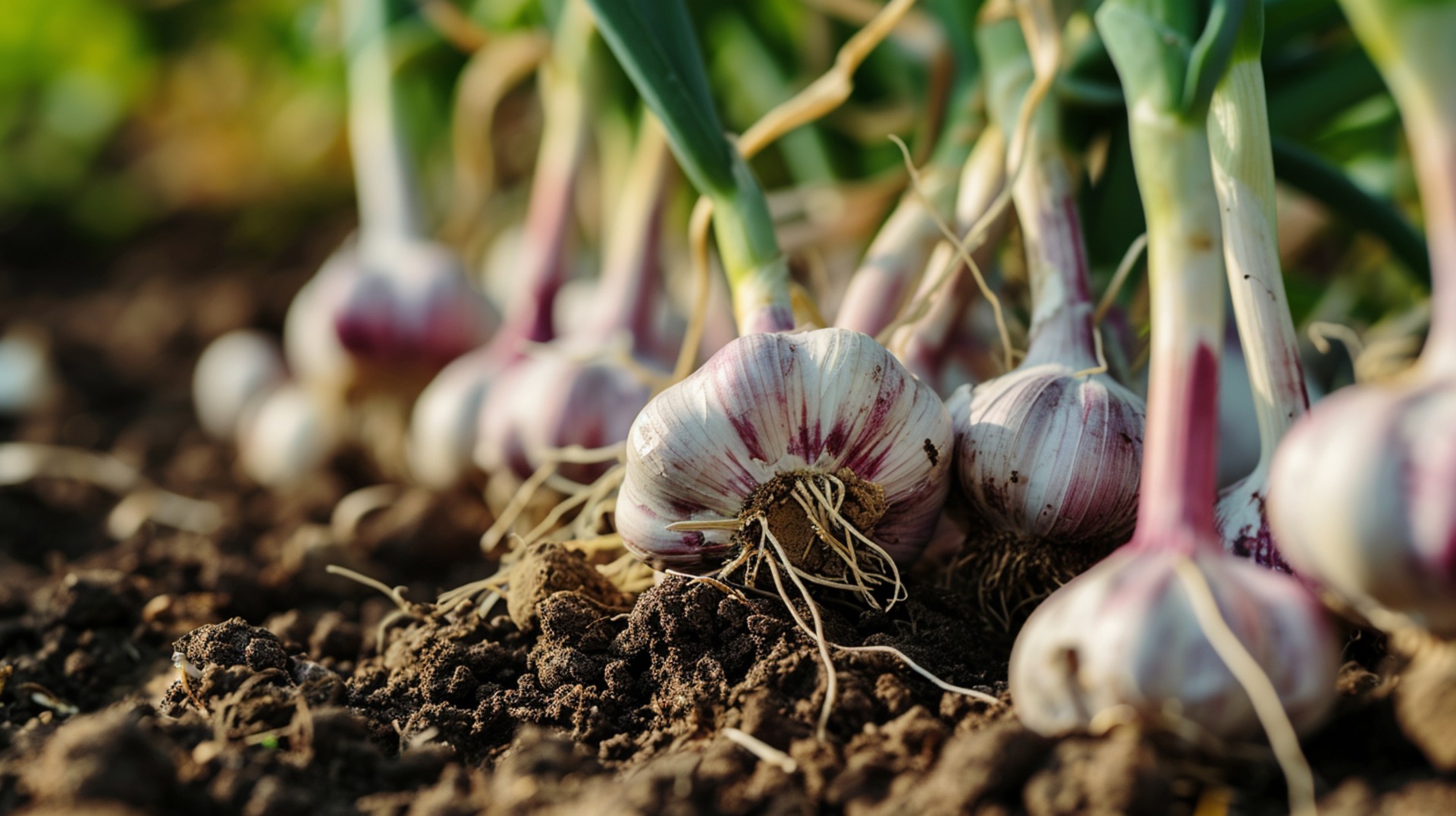
I started growing garlic outdoors almost by accident one fall. A neighbor handed me a handful of leftover cloves and said to stick them in the ground before the first hard freeze. I did. The next summer I pulled up fat, papery heads that tasted nothing like the mild supermarket stuff I was used to. That single experiment hooked me for good.
If you want reliable results when you learn how to grow garlic outdoors, this is the exact process I use every year. Fall planting, simple soil work, light maintenance, and a harvest that lasts months. No fancy tools required. Just patience and a sunny spot.
Choosing the Right Garlic for Outdoor Growing
Not all garlic behaves the same outside. I learned that the hard way my second season.
Hardneck varieties handle cold winters best. They form a stiff central stem and usually produce fewer but larger cloves. Softneck types prefer milder climates and store longer. They braid easily and give you more cloves per head.
I stick mostly with hardnecks in my zone 5 garden. Music and German White give me big, easy-to-peel cloves every time. In warmer spots I have friends who swear by softnecks like Inchelium Red.
Buy seed garlic, not grocery-store bulbs. Store garlic is often treated to prevent sprouting and may carry diseases. Local seed catalogs or garden centers sell stock adapted to your area. Pick the largest, firmest cloves. Bigger planting cloves mean bigger finished bulbs. Simple as that.
Preparing Your Outdoor Spot
Garlic demands full sun. At least six hours a day. I tried a partly shaded bed once and got spindly plants with tiny heads. Never again.
Soil needs to drain well. Waterlogged ground rots the cloves before they even root. Aim for a pH between 6.0 and 7.0. I test mine every couple of years with a cheap kit. If it runs acidic I add a little garden lime in early fall.
Work in compost or well-rotted manure a couple of weeks before planting. Fresh manure invites weeds and can burn the roots. I spread two to three inches of compost and fork it into the top eight inches of soil. That gives the roots room to run deep.
Raised beds help if your native soil is heavy clay. I built mine three feet wide so I can reach the middle without stepping on the plants. The extra height keeps excess water moving away from the bulbs.
When and How to Plant Garlic Outdoors
Fall is the window. I plant one to two weeks after the first killing frost. That timing lets the cloves put down roots before the ground freezes solid, then they sit quiet through winter. Spring growth takes off fast.
In my area that means mid-October. Farther south you can push into November. Up north I plant earlier, late September. Check your first frost date and count backward four to six weeks. That’s the sweet spot.
Separate the bulbs into individual cloves the day you plant. Leave the papery skins on. They protect the clove.
Plant pointy end up, flat basal plate down. Depth matters. I set the tip about two inches below the soil surface. In sandy ground I go a touch deeper. Space cloves four to six inches apart in the row. Rows get twelve to eighteen inches between them so I can weed easily later.
I press each clove firmly into the soil so it stays upright when I backfill. Then I water once to settle everything. After that I walk away until spring.
Mulch is non-negotiable outdoors. Three to four inches of straw or shredded leaves goes on right after planting. It moderates soil temperature swings and keeps winter weeds from getting a foothold. In spring I pull some of it back so the soil warms faster, then leave the rest for moisture control.
Caring for Garlic Through the Seasons
Garlic is low-drama once it’s in the ground. Still, a few habits make a real difference.
Spring Growth and Feeding
Shoots push through the mulch as soon as the soil warms. That’s my cue to side-dress with nitrogen. Blood meal or a light application of composted chicken manure works. I sprinkle it along the rows when the plants reach four to six inches tall. A second light feeding comes about six weeks later, just before the bulbs start to swell.
Weed early and often. Garlic hates competition. I hand-pull anything that appears. A thick mulch layer cuts the work in half.
Watering Rules I Actually Follow
Garlic wants steady moisture while the leaves are growing and the bulbs are forming. I aim for about an inch of water a week, rain included. Deep soaks beat frequent light sprinkles. Once the lower leaves start yellowing in early summer I cut back hard. Extra water at the end can cause the bulbs to rot or split.
In dry spells I run a soaker hose under the mulch. Keeps the leaves dry and reduces disease risk.
Scapes on Hardneck Varieties
Hardnecks send up curly flower stems called scapes in late spring. I snip them off as soon as they loop. Leaving them on steals energy from the bulb. The scapes themselves taste great sautéed or blended into pesto. Bonus harvest.
Softnecks rarely make scapes, so that step skips itself.
Harvesting Garlic Grown Outdoors
Timing is everything. I start checking in late June or early July. When the bottom three or four leaves turn brown but the top ones stay green, I dig a test bulb. Cut it crosswise. If the cloves fill the skin and the wrappers look papery, it’s ready.
I use a garden fork and lift carefully. Pulling by the tops can snap the necks. Brush off excess dirt but don’t wash the bulbs yet.
Cure them in a shady, airy spot for two to three weeks. I hang bundles from the rafters in my garage. Once the necks dry and the outer skins feel crisp, I trim the roots and tops. Store in a cool, dry place with good air flow. Hardnecks last three to five months for me. Softnecks stretch longer.
Save your biggest heads for next year’s seed stock. The cycle continues.
Common Problems I Have Run Into (and Fixed)
Rotting cloves almost always trace back to poor drainage or planting too deep. Raised beds solved that for me.
Yellow leaves in spring sometimes mean nitrogen shortage. A quick side-dressing greens them up.
Birds occasionally yank newly emerged shoots. A light layer of bird netting for the first couple of weeks stops them.
White rot is rare in my garden, but if it shows up I rotate the bed and avoid planting any allium there for four years. Prevention beats cure.
Honestly? Most years the plants just grow. Garlic is tougher than people give it credit for.
Why Outdoor Growing Beats Containers for Me
I tried containers one season when space was tight. The bulbs stayed smaller and needed constant watering. Outdoors the roots can roam deeper, the soil temperature stays more stable, and the plants handle weather swings better. Containers work in a pinch, especially on a balcony, but for serious production I always choose open ground or raised beds.
Larger spacing outdoors also lets me grow bigger heads. Crowding in pots forces smaller cloves. Space is free in the garden. Use it.
My Yearly Timeline for Growing Garlic Outdoors
Here’s the rough calendar I follow:
- Late summer: Order seed garlic and test soil.
- Early to mid-fall: Prep beds, plant cloves, mulch.
- Winter: Do nothing. The cloves rest.
- Early spring: Shoots appear. Side-dress and weed.
- Late spring: Remove scapes if growing hardnecks.
- Early summer: Watch the leaves. Reduce water.
- Mid-summer: Harvest, cure, store.
- Late summer: Select seed stock for next year.
That’s it. One big push in fall, light check-ins in spring, then the payoff.
Frequently Asked Questions
Can I plant grocery-store garlic outdoors?
I don’t recommend it. Those bulbs are often treated to stop sprouting and may carry diseases that hang around in the soil. Seed garlic from a reputable supplier gives far better results when you learn how to grow garlic outdoors.
How deep should I plant the cloves?
Two inches from the tip of the clove to the soil surface works for most soils. Go a little deeper in sandy ground so the bulbs stay covered as the soil settles.
Do I need to water garlic in winter?
Only if the ground is bone dry and unfrozen for long stretches. In most climates the natural moisture is enough once the mulch is in place.
What’s the difference between hardneck and softneck for outdoor growing?
Hardnecks handle cold better and give larger cloves plus edible scapes. Softnecks store longer and produce more cloves per head. Match the type to your winter temperatures.
How long does it take from planting to harvest?
About eight to nine months. Fall planting leads to mid-summer harvest. That long wait is normal and worth it.
I still get a little thrill every July when I dig the first bulb. The papery skin peels back to reveal clean white cloves that smell sharp and clean. Nothing from a store matches it.
Start with a small bed this fall. Ten or twelve cloves will teach you everything you need. Next year you’ll plant more. The process is simple once you see it through one full cycle. Your kitchen will thank you.