

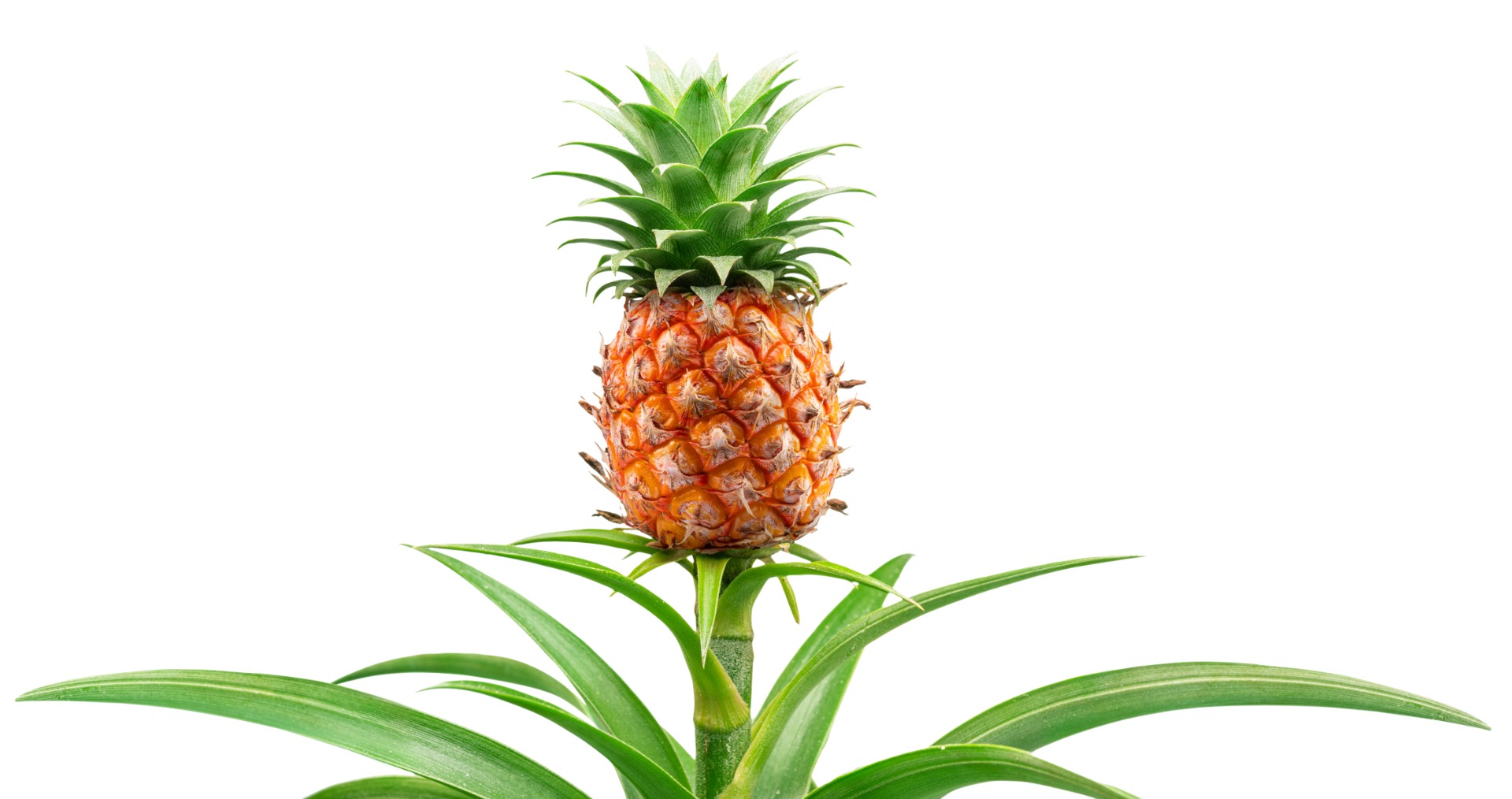
I used to toss pineapple tops in the trash without a second thought. Then one slow Sunday I decided to try how to grow a pineapple from the top of a grocery-store fruit. Three years later I still have that same plant sitting by my kitchen window, and it has taught me more about patience than any self-help book ever did.
Honestly? The first two attempts failed hard. Rot set in. Leaves yellowed. I almost gave up. The third time I slowed down, followed a few non-negotiable steps, and the roots showed up right on schedule. That success is what I’m sharing here. No fancy greenhouse. No special equipment. Just the crown you would normally throw away and a little consistent care.
You want a tropical houseplant that might one day give you actual fruit. You want clear steps that work in a regular apartment. That is exactly what this guide delivers.
Choosing the Right Pineapple for Propagation
Not every pineapple top will root. I learned that the expensive way.
Look for a fruit with bright green leaves that feel firm when you tug them. Brown tips are fine. Completely dried or easily pulled leaves are not. The body of the pineapple should smell sweet and feel heavy for its size. Soft spots or a fermented smell mean the whole thing is past its prime.
I prefer organic when I can find it. IMO it gives the crown a cleaner start because fewer chemicals sit on the leaves. Conventional works too if the top looks healthy. Size matters less than freshness. A medium pineapple with a full, upright crown beats a giant one with sparse leaves every time.
Twist the top off while you are still at the store if the leaves look perfect. Some clerks will even do it for you. Otherwise bring the whole fruit home and handle the separation yourself.
Preparing the Pineapple Crown the Right Way
This stage decides whether your project lives or turns into a moldy science experiment.
Twist Versus Cut
I always try twisting first. Grip the base of the leaves firmly with one hand and the fruit with the other. Rotate the crown like you are unscrewing a jar lid. It usually pops free with a clean break and almost no leftover flesh. Cutting works if twisting fails, but you must slice about one inch below the leaves and then carefully carve away every bit of soft fruit. Leftover flesh is the number-one cause of rot.
Strip the Lower Leaves
Peel off the bottom two or three rows of leaves. You want to expose roughly an inch of the tough central stem. Look for the tiny brown bumps circling that stem. Those are root buds. Leaving them covered slows everything down.
Dry the Crown
Set the prepared top on a plate or wire rack in a warm, airy spot out of direct sun. Leave it alone for two to seven days. The cut surface needs to callous. It should feel dry and slightly leathery when ready. Skipping this step is how I killed my first two crowns. Moisture trapped against soft tissue invites bacteria. Let it dry.
Two Reliable Ways to Root a Pineapple Top
You have options. Both work. I have used each method more than once.
Water Rooting
Fill a clear glass or jar with enough water to cover only the exposed stem. Leaves must stay dry. Toothpicks stuck into the sides of the crown let it rest on the rim if the glass is wide. Place the jar in bright indirect light. Change the water every two or three days so it stays fresh.
Roots usually appear in two to four weeks. Wait until they reach two or three inches long before moving to soil. Watching those white threads grow is oddly satisfying. FYI this method lets you see progress without digging around in dirt.
Direct Soil Rooting
Fill a six-inch pot with well-draining mix. A blend of regular potting soil, perlite, and a little coarse sand works. Cactus or succulent mix is even better. Moisten the soil, then plant the dried crown so the exposed stem sits below the surface and the lowest remaining leaves rest just above it. Firm the soil gently around the base.
Some people cover the pot with a clear plastic bag for the first few weeks to raise humidity. I did that once and it helped. Just open the bag daily for air flow so condensation does not build up.
Soil rooting often finishes faster than water for me. Six to eight weeks is typical before the plant resists a gentle tug, which means roots have taken hold.
Planting and Everyday Care After Rooting
Once roots exist, the real growing starts.
Choose a pot with drainage holes. Pineapples hate wet feet. Start with something six to eight inches wide and plan to move up as the plant grows. Mature plants can reach three or four feet tall and nearly as wide, so leave room.
Soil needs to drain fast. I mix equal parts potting soil, perlite, and orchid bark. A ready-made citrus or bromeliad mix also works. Water thoroughly after planting, then let the top inch of soil dry before watering again. Overwatering kills more pineapple plants than underwatering ever will.
Light is non-negotiable. Bright indirect sun for most of the day is ideal. A south-facing window works if you live somewhere mild. In hotter climates a sheer curtain protects the leaves from scorch. Grow lights help in dark apartments. I run a simple LED bar for six hours on cloudy winter days.
Temperature matters. Keep the plant above 65°F. Cold drafts and sudden drops slow growth or invite problems. Humidity helps but is not critical once the plant is established. Occasional misting of the leaves is fine. Just avoid soaking the crown.
Fertilizer comes later. Wait until new leaves appear, then feed with a balanced liquid fertilizer diluted to half strength every four to six weeks during spring and summer. I skip feeding in fall and winter. Too much nitrogen produces lots of leaves and zero fruit.
What to Expect as the Plant Grows
New leaves unfurl from the center. They start small and soft, then harden and lengthen. The whole plant slowly forms a rosette. Growth is steady but never fast. In the first year you mostly watch the leaves multiply.
After twelve to eighteen months the plant may send up a flower stalk if conditions stay warm and bright. That stalk produces a cluster of tiny flowers that eventually merge into a single pineapple. The fruit takes another four to six months to ripen. Total time from crown to harvest often lands between eighteen months and three years. I know. It feels long.
Some plants never fruit indoors. That is normal. You still get a striking architectural houseplant with stiff, sword-like leaves. Mine sits in the corner of the living room and people always ask about it. The foliage alone is worth the effort.
Common Mistakes That Kill Pineapple Crowns
I made most of these myself so you do not have to.
- Leaving fruit flesh on the crown. It rots fast and spreads.
- Skipping the drying period. Moisture is the enemy at the start.
- Overwatering after planting. Soggy soil equals soft, black base.
- Placing the plant in low light. Weak, stretched leaves follow.
- Using a pot without drainage. Water sits and roots drown.
- Expecting fruit in six months. Patience is part of the process.
Yellow lower leaves can mean too much water or natural aging. Soft mushy base means rot. Remove the plant, trim any black tissue, let it dry again, and replant in fresh mix if you catch it early.
Encouraging Fruit on a Mature Plant
Once the plant has at least thirty healthy leaves and is more than a year old, you can try forcing a bloom. Place a ripe apple next to the plant and cover both with a clear plastic bag for a week. The ethylene gas from the apple sometimes triggers flowering. I tried this once. It worked on the second attempt. No guarantees, but it costs nothing to test.
After the fruit forms, leave it on the plant until the skin turns mostly yellow and smells sweet. Cut it with a sharp knife, leaving a short stem. The plant itself will eventually produce side shoots called pups. Those pups can start the whole cycle again.
Frequently Asked Questions
How long does it take to grow a pineapple from the top?
Roots form in a few weeks. A mature fruiting plant usually needs eighteen months to three years. The wait is real, but the plant looks good the entire time.
Can I grow a pineapple from the top indoors year-round?
Yes. Bright light, warm temperatures, and careful watering are the main requirements. Many people keep them as permanent houseplants.
Why did my pineapple top rot instead of rooting?
Most often leftover fruit flesh or insufficient drying caused it. Always remove every bit of soft tissue and let the cut surface callous before rooting.
Do I need special soil to grow a pineapple from the top?
A well-draining mix is enough. Regular potting soil mixed with perlite or a cactus blend works fine. Heavy garden soil holds too much water.
Will the new pineapple taste the same as the original?
It will be genetically identical, so yes. Homegrown fruit often tastes sweeter because you can leave it on the plant longer than commercial growers do.
I still check my plant every morning while the coffee brews. The newest leaves push upward a little more each week. One day a flower stalk will appear again. When it does I will cut the fruit, twist off the new top, and start the whole process one more time. That quiet cycle is the real reward.
Grab the next pineapple you buy. Twist the top. Dry it. Plant it. Give it light and just enough water. The rest takes care of itself. You might end up with more than a houseplant. You might end up with a story that starts with a grocery-store scrap and ends with actual tropical fruit on your table.