


Hello fellow garden-enthusiast! I’m so glad you’re here. Believe me, I’ve spent many an afternoon wandering around in my backyard, tangled in brambles and examining leaves, trying to figure out exactly what kind of berry was growing where. To be fair, even seasoned gardeners sometimes mix up a Blackberry and a Mulberry—they look similar at first glance, but once you dig in, you’ll find they each have their own story.
Preferences in a garden vary. Some folks care most about color (deep purples, reds, blacks), others about fragrance, taste, or simply what’s easiest to grow. In my case, I wanted berries that I could pick straight from the plant, snack on, maybe turn into jam—and that got me into asking: what is the difference between blackberry and mulberry? Which one fits my garden, climate, care routine?
I grew both (yes—I planted a small mulberry tree and a blackberry bush) and learned the hard way that you can’t treat them exactly the same. That’s why I’m writing this: to share the insights I’ve picked up, the mistakes I made (thorny canes, anyone?), and practical tips for you to distinguish, grow and care for each.
In the next pages, I’ll give you detailed comparison charts, personal anecdotes, strong photos, and actionable care tips. Whether you’re deciding which to plant, or simply curious which berry you found foraging, you’ll end up knowing the difference between blackberry vs mulberry—and how to make either thrive in your patch. Let’s dig in!
Comparison Snapshot: Blackberry vs Mulberry
Here’s a handy table summarizing the major features I’ve learned through my garden experiments:
| Name | Best Region / Use | Growth Habit / Size | Fruit Season / Time | Fragrance / Feature | Key Distinguishers |
|---|---|---|---|---|---|
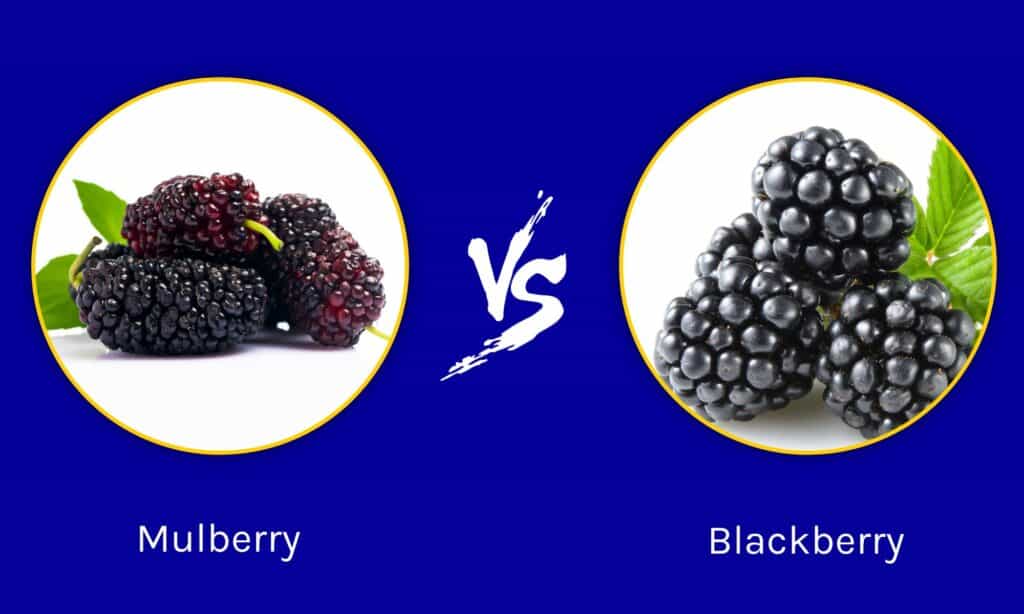
| Mulberry | Trees in temperate to subtropical zones | Grows into a tree (often 4–10 m or more) | Late spring to early summer (varies) | Sweet, sometimes slightly tart; fruit often longer-oval | Belongs to genus Morus; fruit often elongated; tree form. Wikipedia+3Garden Vive+3A-Z Animals+3 |
| Blackberry | Bushes / brambles, strong in temperate zones | Grows as a cane or shrub (1–3 m typically) | Mid to late summer (depending on variety) | Juicy, sweet + tang, strong berry scent | Belongs to genus Rubus; many small clustered drupelets; shrub form. Food Struct+1 |
The Mulberry Story

6
I remember when I planted my young mulberry tree—it was a small sapling barely 1.2 m tall. I imagined it becoming a kind of mini-shade tree, with luscious fruit spilling into summer. In my experience growing a mulberry (from the genus Morus), here’s what stood out:
My Observation
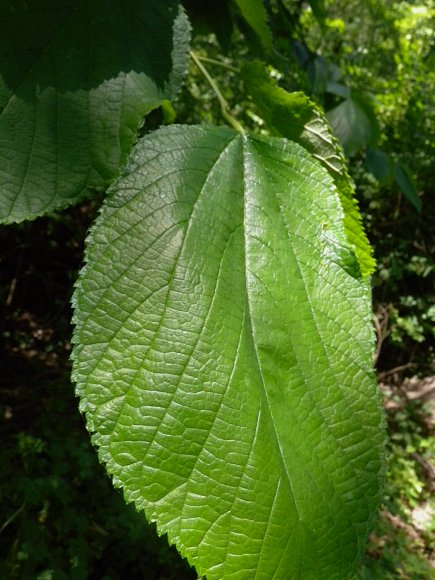
- The tree form is unmistakable. Unlike those creeping brambles, the mulberry shoots straight up—within a few years it surpassed me in height. The leaves are broad and simple, often with smooth margins, sometimes a little lobed when juvenile. Wikipedia+1
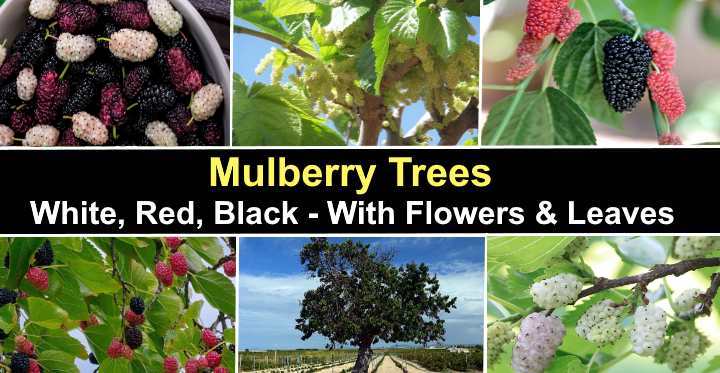
- The fruit: when it began bearing, I noticed elongated clusters of little bead-like fruits (multiple fruits fused from many small flowers). They turned from green → pink/red → dark purple or black (depending on variety). The Spruce Eats+1
- Taste: sweet, mellow, a bit more nuanced than my blackberry bush. Sometimes a slight tart edge—but overall gentle.
- Care: Because it’s a tree, I had to allow room, prune thoughtfully (especially in year 2 and 3) to encourage good structure, and watch for birds because they loved the fruit as much as I did.
Practical Tips
- Choose a cultivar suited to your climate. Some mulberries tolerate cooler zones; others prefer milder heat. The genus Morus has species like M. alba, M. rubra and M. nigra. Wikipedia+1
- Soil: I found it quite adaptable—my soil is clay-loam, and the tree did fine as long as drainage was okay.
- Pruning: After the first yield, I pruned dead branches and any crossing limbs. This keeps the tree airy and helps fruit ripen evenly.
- Harvesting: The berries are delicate—one year I picked some too late and they crushed at the base. Best picked when fully coloured and slightly soft.
- For similar fruit comparisons, you might also check my write-up on how mulberries compare to raspberries (linking to a related article for deeper insight).
Why I Love It
Honestly? Every summer, I walk down to the tree and pick a handful of berries straight into my mouth. It feels rewarding. And as the tree ages, it becomes a garden landmark—something I planted, nurtured, and now I enjoy each season.
The Blackberry Tale

6
Now on to my trusty blackberry patch—the one that sneaks out thorns if you’re not careful, yet rewards you with rich, dark juicy berries.
My Observation
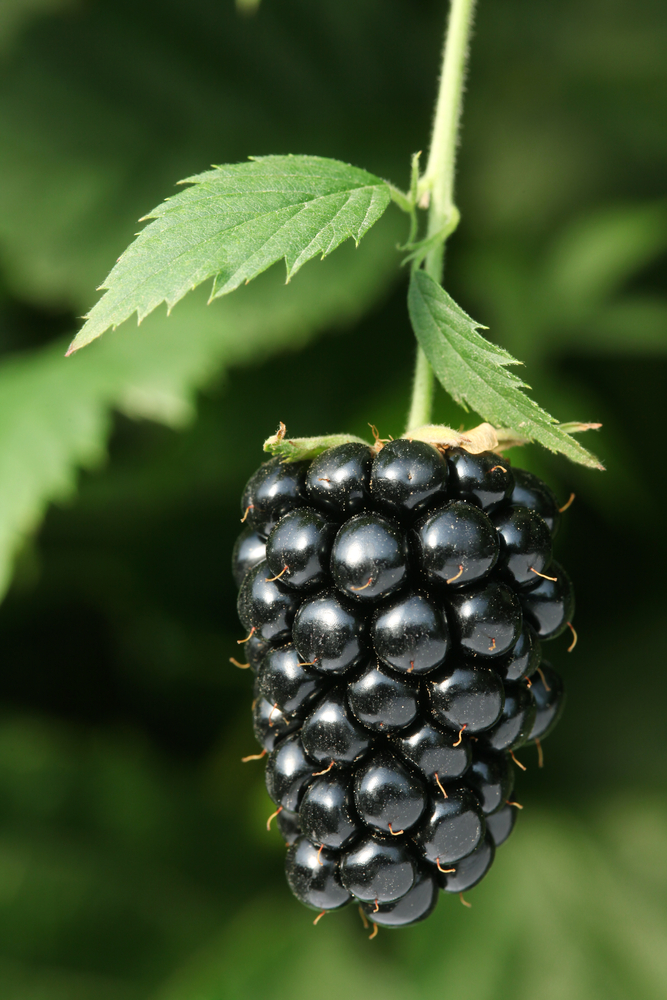
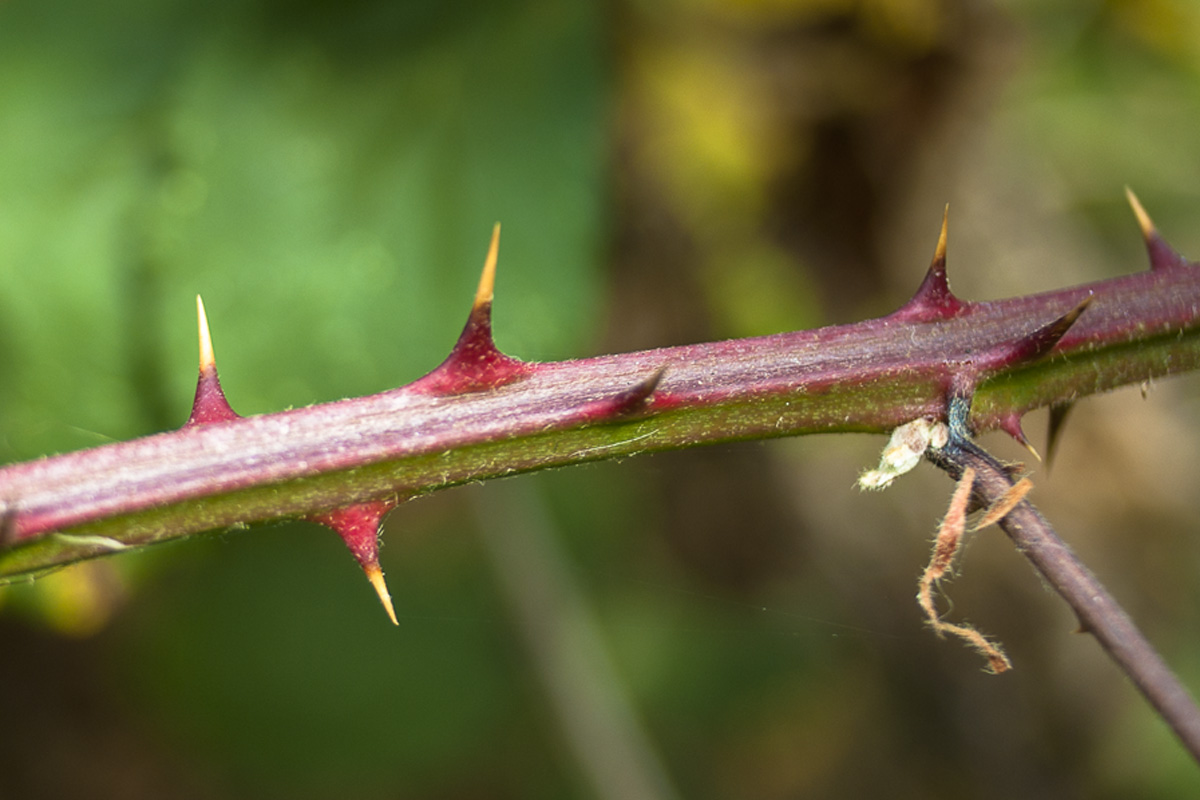
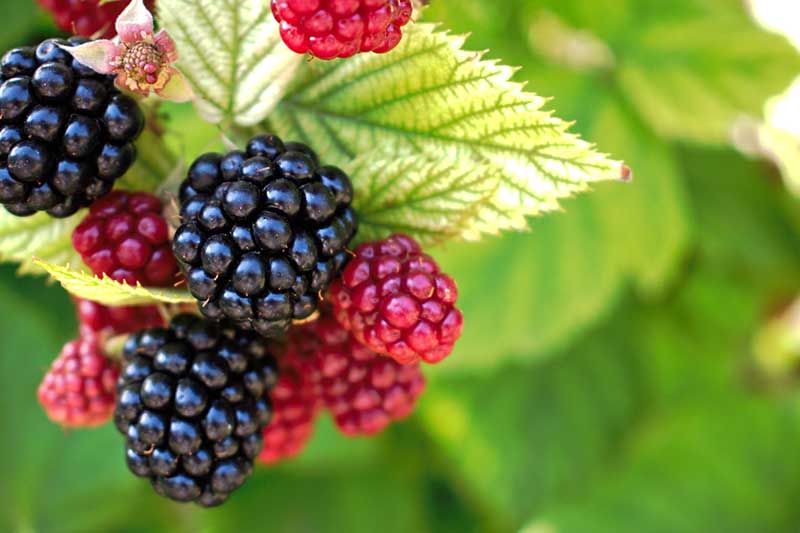
- The growth habit is very different: a bush/ bramble structure. It sends out canes, some erect, some trailing. Unless you manage it, it can sprawl. According to sources, blackberries (genus Rubus) form an aggregate fruit composed of many drupelets. Wikipedia+1
- Fruit formation: I noticed many small connected “balls” (drupelets) that together form the berry. This cluster structure is one clue. Meanwhile, my mulberry’s fruit looked more singular elongated. Garden Vive
- Taste: Bold berry flavour. Juicy, a bit more tang than my mulberries, especially in less-ripe picks.
- Care: The thorny canes meant I needed gloves, regular pruning, trellising (I used a simple wire support). Also, spacing is critical so I didn’t feel like I was getting lost in the brambles.
Practical Tips
- Variety matters: There are thornless cultivars (which I picked later to make it more friendly). If you’re considering this for accessible picking, go thornless.
- Training and support: I set up wires ~1 m high, allowed canes to lean and be fixed, cut back old fruiting canes after harvest to make way for new ones.
- Wildlife and pests: Birds target ripe berries, and the canes can get fungal diseases in humid seasons if airflow is poor. I made sure to thin the center so air circulated.
- Harvest window: The fruit season is a bit later than the mulberry in my yard—mid to late summer. I learned not to leave it too long or the berries become too soft and attract insects.
Why I Love It
For one, the immediate gratification: within a season I had berries to pick. The sheer abundance was impressive, and there’s something nostalgic about the classic blackberry bush growing wild-ish at the edge of the garden. Plus, blackberry jam is just a treat.
Helpful Notes & Expert Advice (From My Garden & Research)
Here are some extra considerations—because to make a good choice between mulberry vs blackberry, you’ll want to match them to your climate, soil, preference, and care willingness.
1. Climate & Region Advice
- Mulberries: They’re quite hardy in many temperate zones (some listed as zones 4-10). A-Z Animals If you live somewhere with mild winters and warm summers (like Bangladesh / South Asia / Subtropical regions) you’re in a good spot.
- Blackberries: Also adaptable, but the bush form means you’ll need space and good drainage. Zones 5-10 are typical. A-Z Animals
- If you’re in a very hot or tropical region (thinking of my location in Bangladesh), check local varieties of mulberry that tolerate heat / humidity, because some temperate types may struggle.
- For very cool or short-season areas, blackberry bushes might fruit sooner and more reliably than a tree that takes longer to establish.
2. Seasonal & Maintenance Cautions
- Mulberries: Because the tree gets big, consider companion planting or space allocation. Also consider leaf-drop (mulberries can drop leaves and fruit mess).
- Blackberry: Thorny canes, aggressive spread (some cultivars can be invasive). Be prepared to contain them or they’ll take over. Also prune canes annually to avoid decline.
- For both: Harvest at correct timing. Over-ripe fruits attract pests; under-ripe may be too tart. My own berries sometimes got blighted when I delayed picking.
- Fruit stain alert: Both berries can stain your fingers, clothes, and nearby paving. I always wear older clothes when harvesting!
3. Soil & Planting Tips
- Soil should be well-draining for both, though mulberry trees are quite tolerant of lesser soils.
- For mulberries: Raised bed or ground planting is fine; ensure full sun for best fruiting.
- For blackberries: Give trellis/support, train canes, ensure 1 m+ spacing between plants to allow airflow.
- Fertilizing: I used compost in spring, and mulch around the base of the tree/bush helps retain moisture and suppress weeds.
4. Edibility & Use
- Nutrition: While you may plant for looks or fruit, I found it interesting to note that mulberries and blackberries differ nutritionally. For example, mulberries tend to have more vitamin C, riboflavin, and iron, whereas blackberries have more fiber, folate, and vitamins E & K. signos.com+1
- Uses: Both are great for jams, smoothies, eating fresh. Mulberries, because they are more ephemeral (shorter shelf-life), I often harvested and froze some for later. The Spruce Eats
- If you want to combine or compare these fruits with other similar ones (for example, raspberries or black raspberries), check out related gardening guides for fruit-bush/cane vs fruit-tree plantings.
5. Safety & Wildlife Considerations
- Wildlife: Birds love the ripe berries on both plants. If leaving fruit to ripen, expect competition. When I discovered wax-like bird droppings on the leaves, I realized I might harvest less than I expected.
- Invasiveness: Some blackberry species can become invasive (especially in mild climates). My advice: install root barriers or prune suckers. Also check local regulations (some regions consider certain types of bramble invasive).
- Clean-up: Fallen fruit may attract pests or ferment. I made sure to pick promptly, remove fallen fruit and mulch to avoid unwanted insects or rodents.
So, Which Should You Choose?
Here are some friendly heuristics from my own experience:
- If you love trees, want a focal planting, have room and time to wait a couple of years — go with the mulberry.
- If you want quick returns, lots of fruit, are okay with brambles and the maintenance they require — go with the blackberry bush.
- If you have a smaller space (even a large pot) and good sun—some dwarf mulberry varieties can work (though I used full-size).
- If your soil is heavy and drainage is moderate, mulberries may tolerate better; if you can amend soil and want higher yield, blackberries shine.
- Also consider aesthetic: mulberry tree gives shade, vertical presence; blackberry bush gives low-profile abundance.
Final Thoughts & My Thank-You
Thank you for joining me on this berry adventure. From the first time I mistook a mulberry for a blackberry (yes—I picked it too early and it turned out only mildly sweet!) to now where I confidently harvest both, it’s been a journey. I hope sharing my stories, practical tips, and photos has helped you feel more assured in telling the difference between blackberry and mulberry—and in choosing what to plant, care for, or forage.
If you enjoy gardening tales and want to hear more about fruit trees vs bushes (and maybe apples vs pears vs berries), I’d love for you to subscribe, follow along or drop me a message. I’m always out in the garden, hands in soil, learning something new—and I’d be thrilled if you came along.
Until next time—happy planting, happy tasting, and may your berry seasons be bountiful! 🍓
If you liked this article, feel free to explore more about how to care for mulberry trees and how to manage a blackberry bush on my blog (linked) and don’t hesitate to leave a comment or question—let’s keep the conversation growing.