


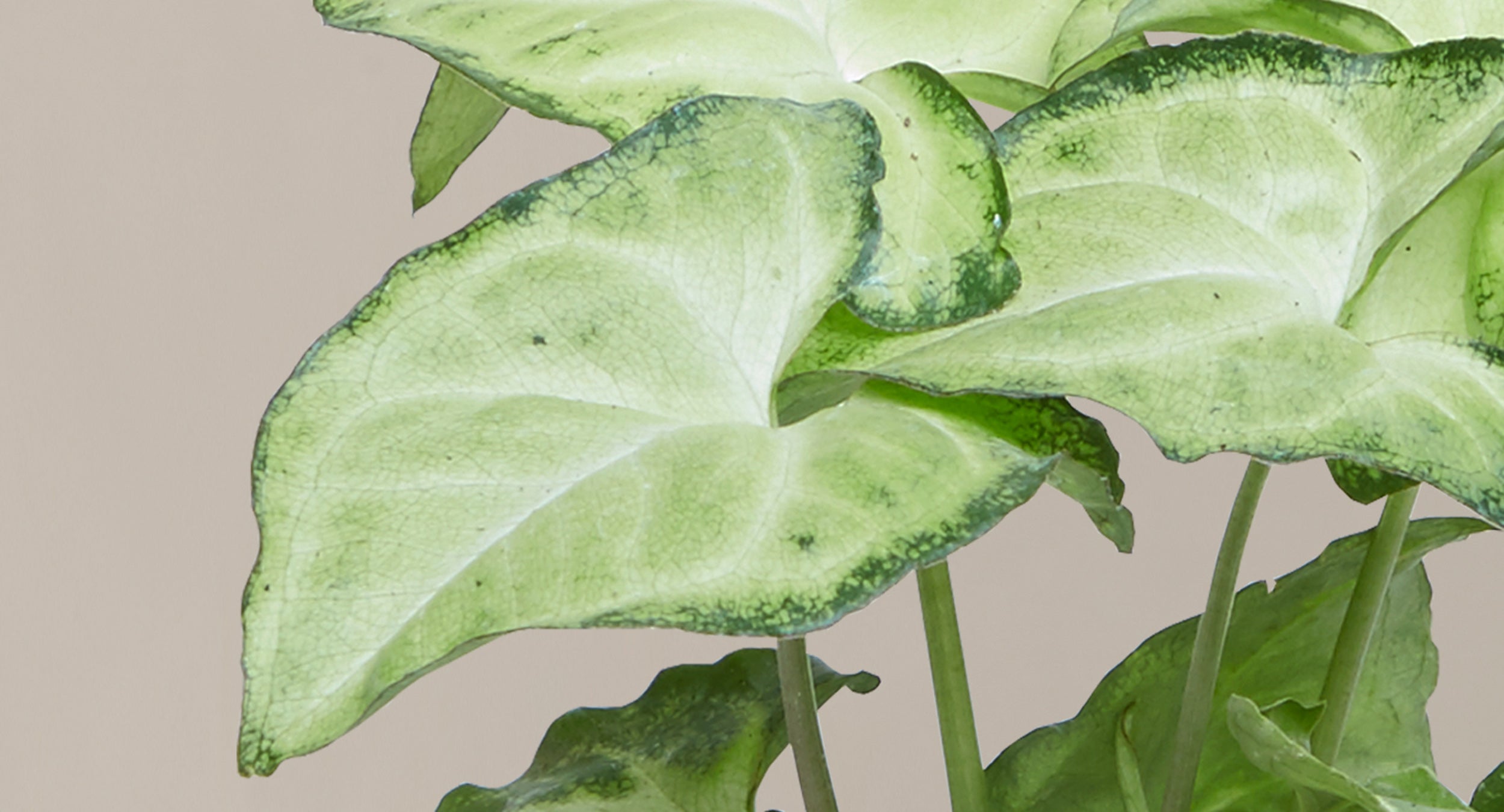
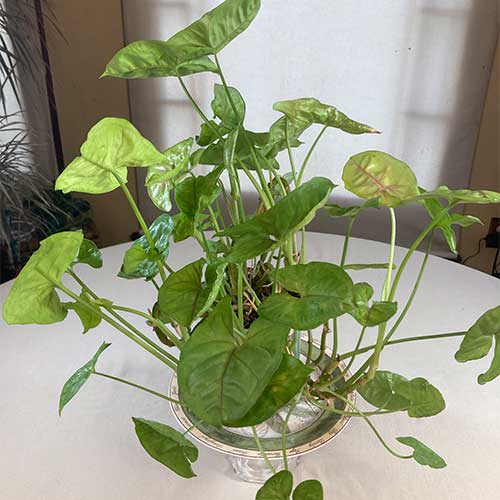
Hey there plant-lover! I’m so glad you found your way here. I’m writing this as someone who has nurtured quite a few houseplants over the years—including the charming little workhorse that is the Arrowhead Plant (also known as Syngonium podophyllum).
I vividly remember the day I noticed its leaves turning from a vibrant green to a pale, almost bleached-white shade. To be fair, I panicked a little. Like many gardeners, I wondered: “What on earth did I do wrong?”
Maybe you’re wondering something similar: the leaves of your arrowhead plant are pale, maybe white-washed, and you’re scratching your head trying to figure it out. Well, you’re in good company—and I’m here to share what really worked for me, what didn’t, and how you can get your plant back to looking lush and green.
In this article I’ll walk you through why your arrowhead plant might be turning pale or white, how to diagnose the issue, and practical steps you can take (no fluff). Trust me, once you know the “why”, you’ll feel empowered to fix it—and keep that gorgeous green colour shining again.
What’s in this post
- A clear, simple table summarising the major causes and features of pale/white leaves in arrowhead plants.
- Detailed mini-sections on each major cause (with personal anecdotes).
- A “Helpful Notes / Expert Advice” section with regional/climate-specific tips & cautions.
- A warm conclusion with encouragement and a call-to-action to keep the green thumb going.
Let’s dig in!
Quick Comparison Table: Why Arrowhead Plant Leaves Turn Pale or White
| Cause | Best/Typical Region or Use | Appearance & Leaf Behaviour | When It Happens | Key Feature to Check |
|---|---|---|---|---|
| Too much direct sunlight | Bright indoor spot or near window | Leaves look bleached, pale or white-washed | Often soon after moving plant or bright season change | Leaf surface looks faded/“washed out” |
| Low chlorophyll / nutrient deficiency | Indoor plant in pot, poor soil | Leaves pale, maybe yellow-white, older leaves first | Gradual over time | Soil lacking nutrients, leaves small & weak |
| Shock from repotting/propagation | New pot/large change | Some leaves turn pale, then recover | Immediately after repotting or cutting | Recent disturbance in plant’s environment |
| Root issues / overwatering | Indoor container environment | Leaves pale, maybe yellow, soil soggy, roots dark | After heavy watering or poor drain | Check roots: mushy or rotten? |
| Pest / disease (rare) or bleaching from sunlight | General indoor | Leaves pale or grey-green, possible webbing or brown spots | When stressed or exposed | Check underside of leaves, inspect light levels |
Cause #1: Too Much Direct Sunlight
In my first few years of growing arrowhead plants, I placed mine next to a bright south-facing window in my home in Dhaka (yes, the heat can be intense even indoors). I thought “Hey, they like light—so more must be better!” But to my surprise, the entire top section of the plant started to look pale, washed out—almost white in spots.
Observation: The leaves lost their rich green tone, became a lighter pale green, even whitish. It looked like the colour had been bleached.
Practical tip: I moved the plant further away from the direct sunlight by about 1 metre and added a sheer curtain. Within a week I noticed new leaves coming in a healthy green again.
Care insight: According to multiple care guides, arrowhead plants prefer bright, indirect light and will suffer if placed in intense direct sun. nouveauraw.com One article says “The leaves look bleached almost … when placed in the direct sun.” nouveauraw.com+1
What to do:
- Move your plant to a spot with filtered light or behind a sheer curtain.
- Make sure no direct hot rays are hitting the leaves for long periods.
- If you have a variegated variety (with white/pink in the leaves), they often need slightly more light—but not harsh sun.
Cross-reference: If you’re curious about how light affects other indoor plants (like monstera or pothos), check out my article on “How to choose window light for houseplants”.
Cause #2: Nutrient Deficiency / Low Chlorophyll
Here’s another story. A few months back I noticed my arrowhead plant’s newer leaves were coming out pale and smaller, even though the lighting seemed OK and watering was fine. I realised I hadn’t fertilised in ages. I switched to a gentle liquid houseplant feed and after a month the leaves were richer green again.
Observation: Leaves pale, weak growth, older leaves turning almost white or yellow-white. The plant looks a bit limp.
Why this happens: When a plant lacks key nutrients—especially nitrogen, which is involved in chlorophyll production—the leaves can become chlorotic (i.e., pale or white-ish). (Chlorosis: lack of green pigment). Wikipedia+1
Practical tip: I used a balanced houseplant fertiliser every 4-6 weeks during active growth. Be careful though: don’t overdo it.
What to do:
- Use a balanced (e.g., NPK) houseplant fertiliser, diluted as per instructions.
- Feed during the growing season (spring-summer) for indoor plants.
- Ensure the soil pH allows nutrient uptake (usually around 5.5-6.5 for indoor tropical houseplants).
- If leaves are extremely pale/white, you might consider repotting into a fresh mix.
Cause #3: Shock from Repotting or Propagation
One time I repotted my arrowhead plant—new pot, fresh soil, bigger space. A week later, I noticed some leaves turning pale. I panicked briefly, then recalled the “transition shock” effect.
Observation: A few leaves turned pale or white, but new growth after a week or two was normal. The plant was fine.
Practical tip: I kept the plant in consistent conditions (light, humidity) and monitored it rather than drastic changes. It recovered.
What to do:
- After repotting, keep the environment stable (light/humidity) for at least 1–2 weeks.
- Don’t rush fertilizer—let the plant settle first.
- If only a few leaves are pale, and rest looks okay, give it time.
What’s happening: The plant is adjusting to new soil, root disturbance, change in conditions. Some leaves may end up pale or white-washed during the adjustment.
Cause #4: Root Problems / Overwatering
This one can be sneaky and serious. I once over-watered a plant (potted badly, no drainage) and noticed pale leaves—not bright white, more pale green/yellowish—but enough to set off alarm bells.
Observation: Soil was moist all the time, leaves pale/weak, some drooping, perhaps mushy roots when I checked later.
Practical tip: I removed the plant from the pot, checked roots (some were brown/mushy), trimmed the bad ones off, repotted into fresh, well-draining mix. Leaves gradually regained colour.
What care guides say: Overwatering (or alternating between soggy and dry) and poor drainage can lead to root rot; leaves may go pale/yellow. houseplantresourcecenter.com+1
What to do:
- Check drainage: ensure the pot has holes, soil is loose and free draining.
- Water when the top 1-2 cm of soil is dry (for arrowhead plant).
- If you suspect root rot: gently remove plant, trim off rotten roots, repot in fresh soil.
- Avoid letting the plant sit in standing water.
Cause #5: Pest Infestations or Disease (Less Common)
Though rarer, pests like spider mites, mealybugs or even fungal leaf spots can stress your plant and lead to pale/white spots or bleaching. One evening I found tiny webs on the underside of leaves—spam spider mites. The plant’s colours looked dull.
Observation: Leaves not just uniformly pale, but with speckled damage, webbing, sticky residue, irregular patches.
Practical tip: I isolated the plant, gently wiped down leaves, used neem oil once, improved humidity and light. The plant bounced back.
What to do:
- Inspect underside of leaves, stems, joints for pests.
- Use appropriate insecticidal soap or natural remedy if needed.
- Clean the foliage and improve air circulation/humidity.
- If leaves have fungal spots or grey patches (powdery mildew), remove affected leaves and correct moisture/ventilation.
Helpful Notes & Expert Advice
Believe me, I’ve tried all kinds of indoor experiments—some worked, others were learning moments. Here are some extra factors worth considering, especially if you’re in a tropical / humid region (like Bangladesh) or dealing with seasonal shifts.
Climate & Regional Advice
- In high-humidity regions: Keep good ventilation. Humid air is fine, but stagnant humid air + low light + overwatering can equal root rot.
- In very bright tropical sun (south Asia): The intensity of sunlight through windows can bleach leaves quickly—use sheer curtains or indirect spots.
- If you live in a cooler climate or have heavy air-conditioning (dry air): Increase humidity around the plant (mist occasionally, pebble tray, grouping plants) to prevent stress.
Seasonal Cautions
- Summer: Light is bright, so check direct rays, and increase ventilation if indoor heat builds up.
- Winter: Light is weaker, so your arrowhead plant may need more light (but still indirect), and less water; leaves can pale if starved of light.
- Transition periods (spring/fall): Watch for signal changes—your plant’s needs may shift.
Safety / Pet Considerations
As a side note: the arrowhead plant is considered moderately toxic if ingested (for pets/humans) due to calcium oxalate crystals. nouveauraw.com Keep out of reach of curious pets or children.
Signs to Watch & Timing
- If the pale/white issue starts all of a sudden, ask: Did something change? (Light, pot, watering, location).
- If the issue is gradual, more likely nutrient deficiency or general care stress.
- Always inspect the base, roots and general environment — leaves are the final tell, but the root cause often lies elsewhere.
In Summary (Brightness Control, Balanced Nutrition, Stable Roots)
When you boil it down: to keep your arrowhead plant richly green (and avoid pale/white leaves), aim for:
- Bright but filtered / indirect light
- Balanced fertilisation and nutrient-rich soil
- Proper watering, good drainage, healthy roots
- Stable environment, good humidity, pest-free
Final Thoughts
Thanks so much for spending your time with me on this topic—I really appreciate your willingness to dive into the nitty-gritty of what might be wrong with your arrowhead plant. I’ve grown lines of houseplants in various light conditions and climates (including humid Bangladesh), and trust me: once you spot the cause, the fix is usually straightforward.
If you take one thing away: don’t panic. Pale or white leaves are a signal, not a death sentence. With attentive care, your arrowhead plant can bounce back and show those crisp green arrow-shaped leaves again.
If you enjoyed this article and found the tips useful, I’d love for you to subscribe to my little gardener’s newsletter (just click the link below) and explore more articles where I share plant-care stories, disasters turned triumphs, and my favourite indoor plant tips.
I would also love to hear your story: drop a comment below and tell me how your arrowhead plant is doing—where the leaves are turning pale, what you tried, and what results you saw. Let’s learn together!
Thank you again for being here, for being a plant-parent who cares, and for letting me share my passion. Happy growing—and remember: when the leaves start to pale, you’ve got this.
Green thumbs up!